

 SHARE:
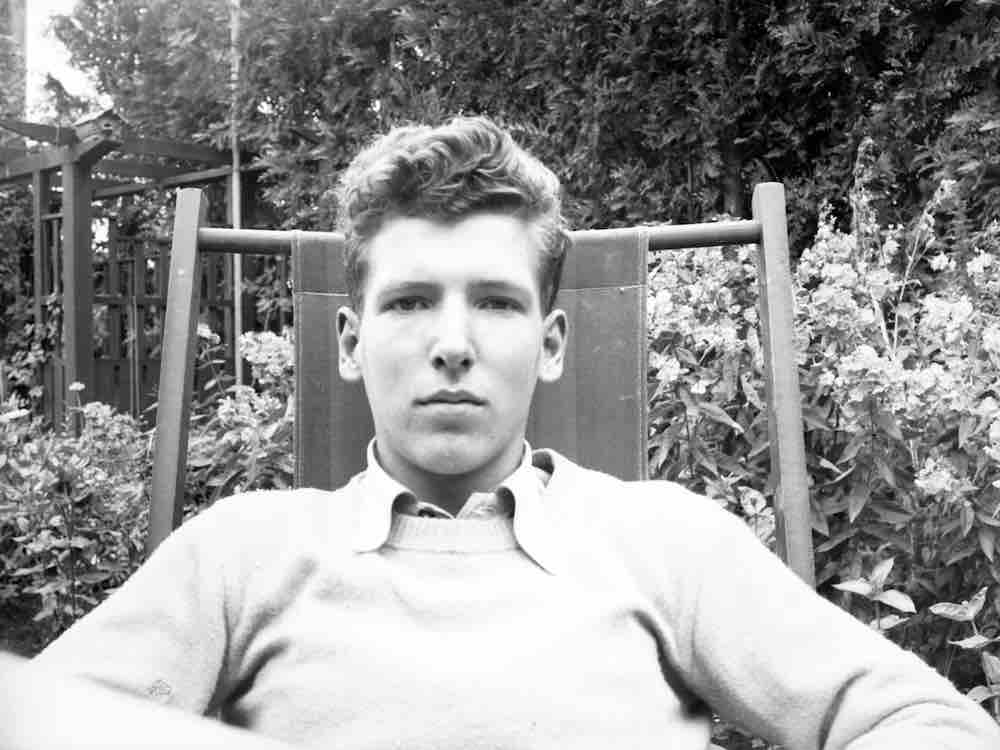
If you walk around Metro Vancouver, you are walking through the mind and masterworks of the late, great Canadian architect Arthur Erickson.
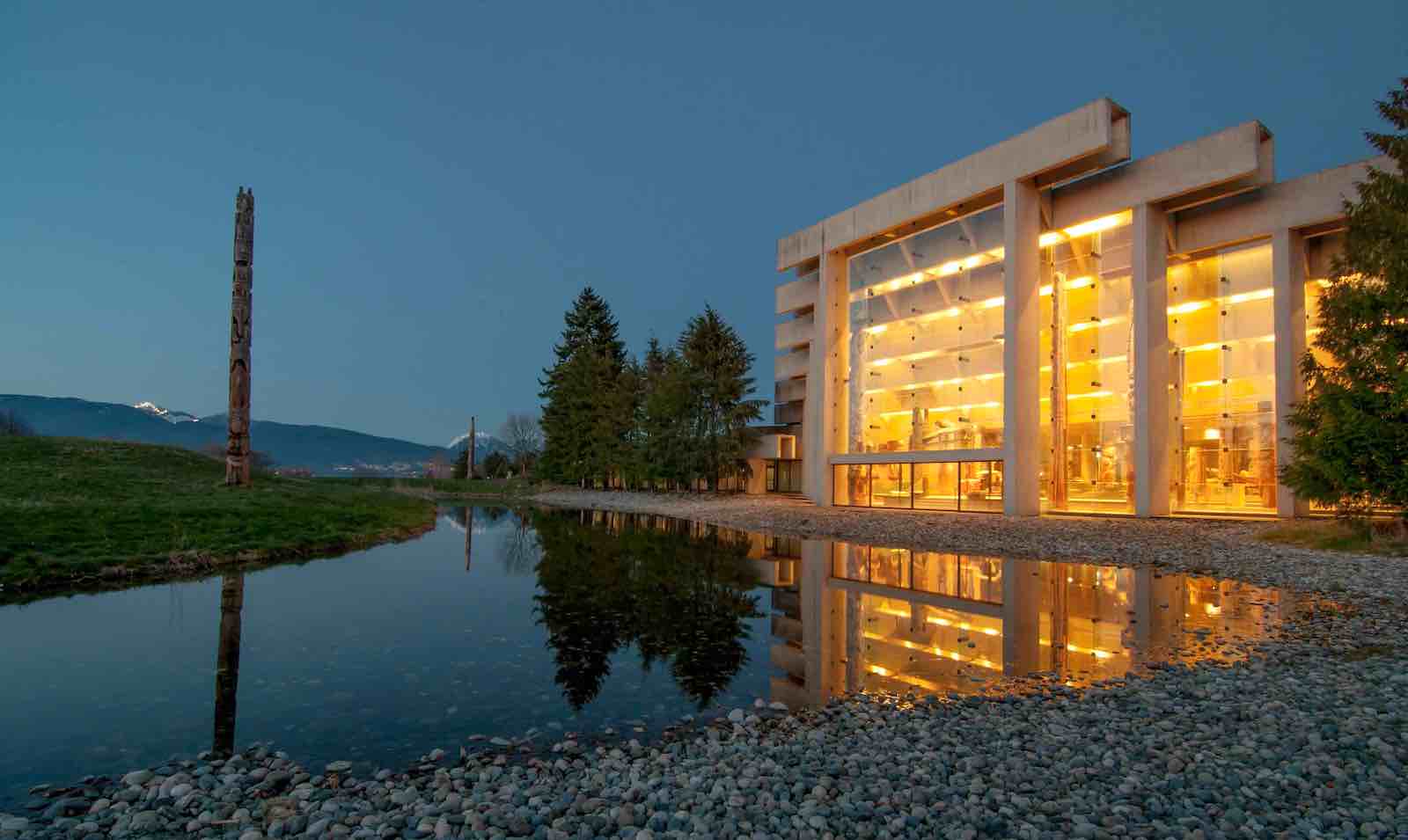
His career defined the regional built environment and, arguably, its esthetic. In addition to Robson Square and the MacMillan Bloedel building in downtown Vancouver, Erickson also designed the Museum of Anthropology at the University of British Columbia, and Simon Fraser University’s Burnaby Mountain campus, among others.
While Erickson’s designs have shaped Vancouver, past and present, the man behind it all has remained a bit of a mystery. A new documentary entitled Arthur Erickson: Beauty Between the Lines, playing at the Vancouver edition of the Architecture and Design Film Festival, seeks to make the man at the centre more concrete.
As one interviewee notes at the beginning of the film, “The more I know him, the more I realize how little people know about him.”
By way of introduction, the film shows interview footage of Erickson telling a story of being summoned to the principal’s office in elementary school when he refused to draw a daffodil in the way that his art teacher had requested.
It’s clear that the man honoured his instincts from the beginning. It was a quality that saw him through bankruptcy, failed love affairs and even the loss of his profession. Directors Ryan Mah and Danny Berish take a workman-like approach to the material, marching through the chapters of Erickson’s life from childhood through the beginning of his career, onwards to fame and then to the later, quieter chapters.
Born in Vancouver, Erickson came of age when the place was little more than an end-of-the-line terminal city. As author and visual artist Douglas Coupland notes in the film, this relative openness allowed for a degree of room to try things that hadn’t been done before. It also enabled Erickson to take an inventive approach to everything from his design of private houses to the very centre of the city. (The story of Robson Square is a particularly fascinating segment.)
After serving in the intelligence corps in the Second World War, Erickson had his plans for a career in the diplomatic service abruptly interrupted by his exposure to the work of American architect and designer Frank Lloyd Wright, in particular his desert laboratory known as Taliesin West and highlighted in a Fortune magazine article.
In the film, Erickson is quoted as saying, “I found it so magical that I said if somebody could do that in architecture, I’m going to be an architect.”
The rest is history.
Periods of study at McGill University in Montreal and UBC in Vancouver were followed by periods of travel, visiting iconic buildings in India, Japan and Europe, and more than a decade teaching architecture.
In 1962, Erickson joined forces with Geoffrey Massey (the son of actor Raymond Massey) and founded Erickson/Massey Architects. The pair cemented their reputation with the winning design for the new Burnaby Mountain campus for Simon Fraser University. But even before SFU, Erickson had created some remarkable houses.
The Filberg House, created in 1958 atop a cliffside in Comox, was one of the first residences that secured Erickson’s fame.
Commissioned by Buddy Filberg, the house radiated tranquillity and a kind of openness. In addition to the main house, the initial plan was to create a series of smaller, self-contained cabins that would function as a destination-type setting for peace conferences.
The plan for the site was to invite world leaders like then-U.S. president John F. Kennedy and former Russian premier Nikita Khrushchev to hash out their differences in a bucolic environment.
Many of the elements explored in this design showed up later in the grand design for SFU, including the ubiquitous concrete that came to be a signature.
Later designs, such as the Killam-Massey House in West Vancouver, proved innovative in other ways. It incorporated marble chunks nicked from the demolition site of the old Vancouver Police Department into the walls of the structure.
But none of these early works quite anticipated the design for the new Simon Fraser University campus. Drawing from ancient notions of education like the Acropolis in Athens, SFU was something else.
In West Coast winters when rain, clouds and mist make the place into a gloomy fortress, it can feel depressing in extremis.
But the converse is true, that when the sun pops out — the place is epically glorious.
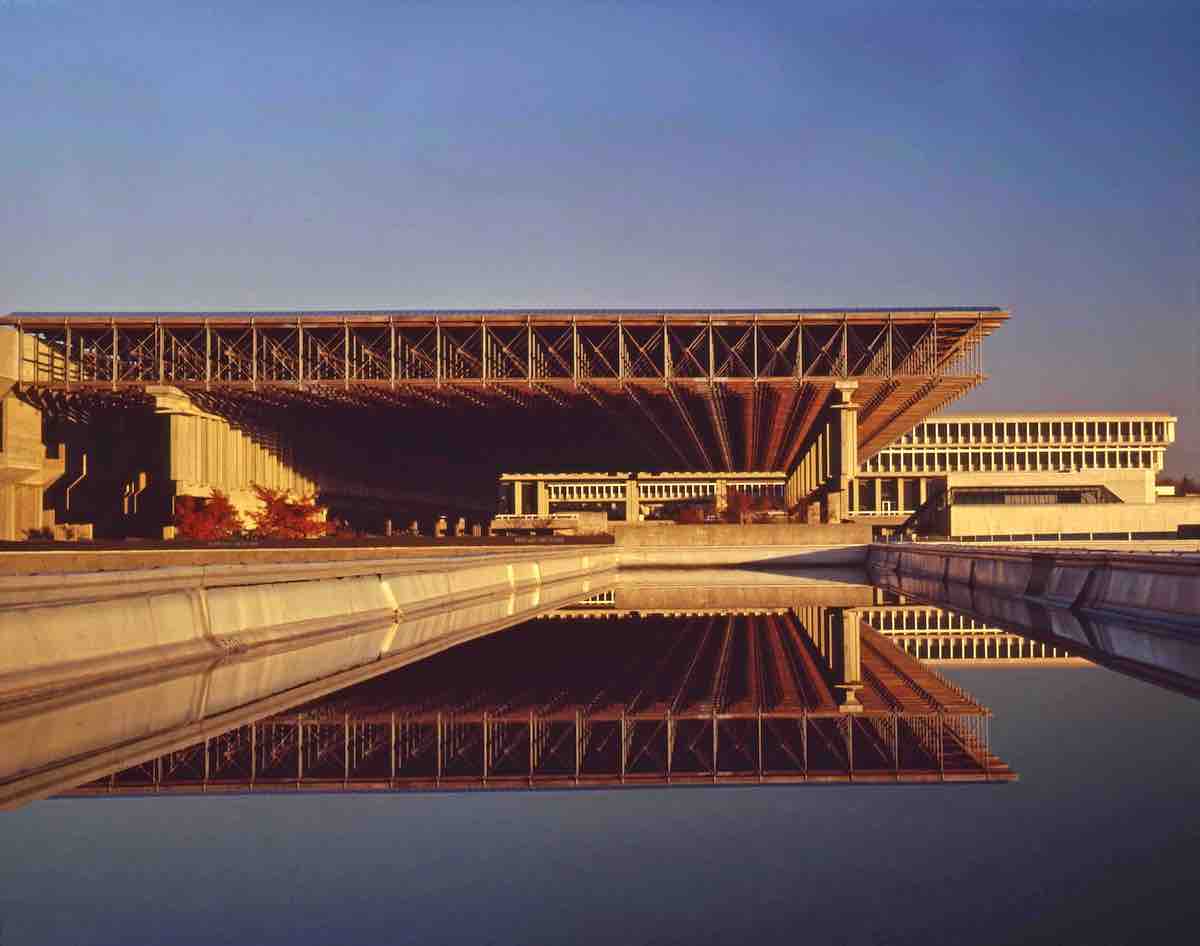
After winning the competition for SFU and faced with a draconian completion date, Erickson and Massey worked frantically to make the deadline. Even a year after the campus opened in 1965, things were still in the process of completion.
A dreamer, and the life of the party
Thinking big was never a problem for Erickson, but supporting the implementation of his grand designs required a different skill set.
As many of the family, friends and colleagues attest, Erickson lived large, opening offices in Toronto and Los Angeles, as well as embarking on a series of epic plans for designs in the Middle East (Kuwait and the United Arab Emirates).
The flower bills alone for lavish lunches and parties were enough to swamp his company in towering expenses. But even as the cost of maintaining his larger-than-life persona and career was undermining the actual work of architecture and design, he sailed along, seemingly impervious.
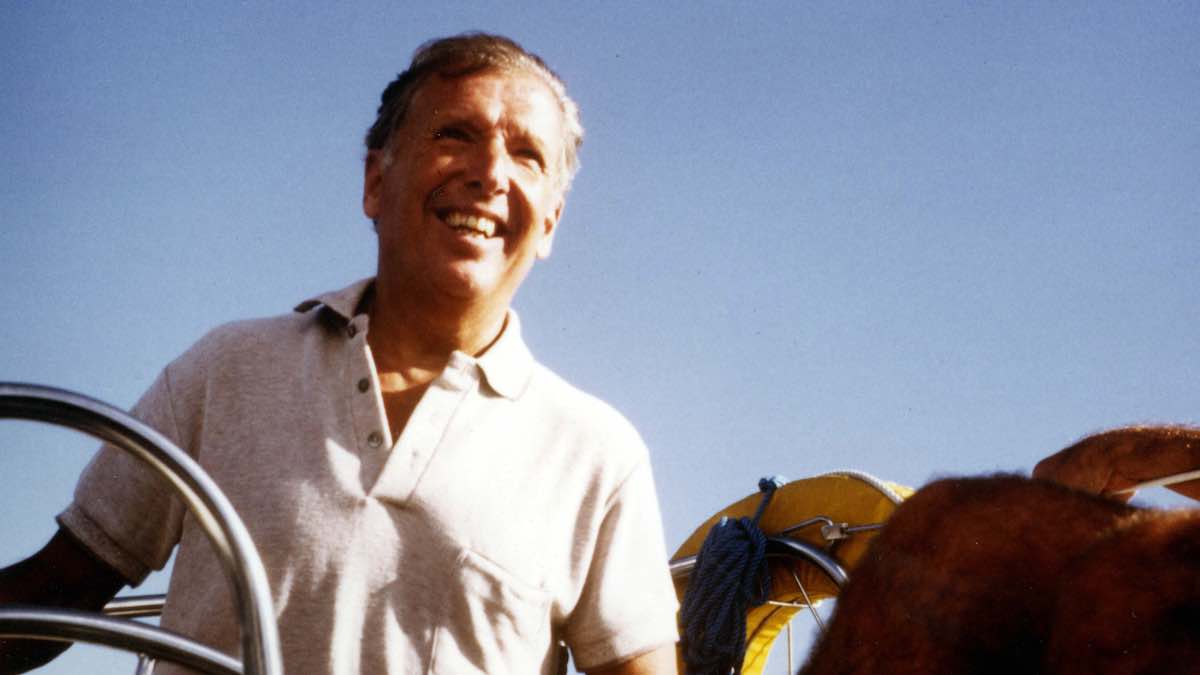
Many of those interviewed, such as client and friend Kathleen Staples and Erickson’s niece Emily Erickson McCullum, offer a personal look into the highs and lows of his life.
But it is Hugh Brewster, a friend who wrote Erickson’s obituary, who more fully explains how his life as a gay man informed his work.
Brewster and Erickson met at a party in 1986, just after Erickson had received the American Institute of Architects Gold Medal, one of architecture’s highest honours. Previous recipients included Le Corbusier and Frank Lloyd Wright.
Even as he was being lauded for his work, his company was on the brink of bankruptcy. But, as Brewster says, “Arthur carried on.”
It’s an approach that saw him through good times and bad.
Even though Erickson’s sexual orientation was reasonably apparent, he was not truly out. As he told one colleague, “Being gay is bad for business.”
But Erickson’s relationship with his lover Francisco Kripacz informed both his personal and professional life. Kripacz designed the interiors of Erickson’s buildings, and the pair were inseparable in the heady ’80s.
They built a house on the gay mecca that was Fire Island. They partied with the famous and the fabulous, including former Canadian prime minister Pierre Trudeau, actress Shirley MacLaine and artist Andy Warhol, as well as various members of the Royal Family.
The latter part of the film details the derailment of Erickson’s career as debts mounted and personal loss began to overtake him.
Even when dementia robbed the man of his memory and skills, he still went to the office. He would flip through magazines while staff carried on around him.
The details of Erickson’s life and career have been covered before in both books and film. But in following the full scope of Erickson’s life and career, another aspect comes into view.
As the city moves and shifts, it’s worth looking back at what one person can do to imprint themselves and their ideas onto a place.
While walking to catch the SkyTrain the other day, I passed by the brutalist monument that is the MacMillan Bloedel building at Thurlow and Georgia in downtown Vancouver. A brass plaque with Erickson’s name emblazoned on it is tucked discreetly onto a corner.
It caught me off guard, but it’s a reminder that even as the story of a city is one of perpetual change, some things endure. Especially when they’re made of concrete and brilliance.
‘Arthur Erickson: Beauty Between the Lines’ screens at the Architecture and Design Film Festival in Vancouver on Nov. 6, 9 and 10. A weeklong run at VIFF Centre, also in Vancouver, starts Nov. 15. ![[Tyee]](/design-article.thetyee.ca/ui/img/yellowblob.png)
Read more: Gender + Sexuality, Film, Urban Planning



Tyee Commenting Guidelines
Comments that violate guidelines risk being deleted, and violations may result in a temporary or permanent user ban. Maintain the spirit of good conversation to stay in the discussion and be patient with moderators. Comments are reviewed regularly but not in real time.
Do:
Do not: