


 SHARE:
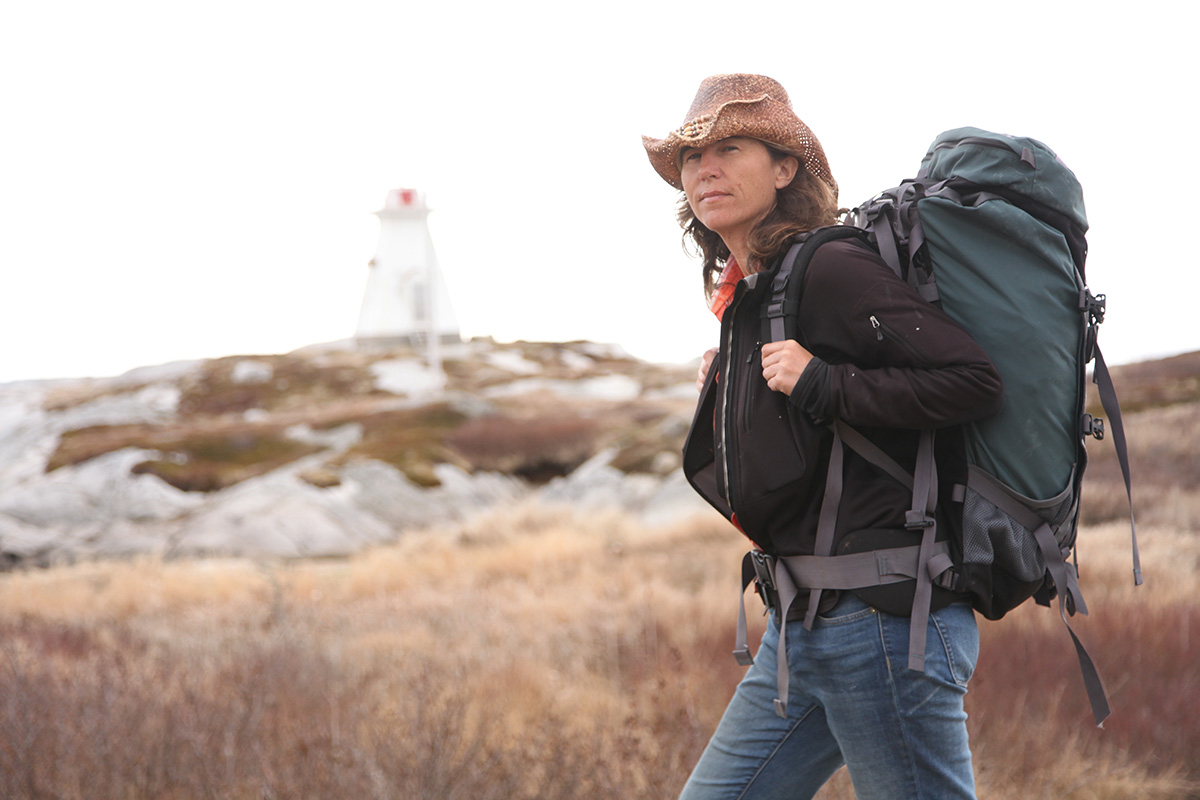
When documentary filmmaker Dianne Whelan paddled into Victoria harbour on Aug. 1, she became the first person to traverse the Trans Canada Trail in its entirety. The longest trail in the world — some 28,000 kilometres connecting three different oceans — is a good stretch of the legs, one might say.
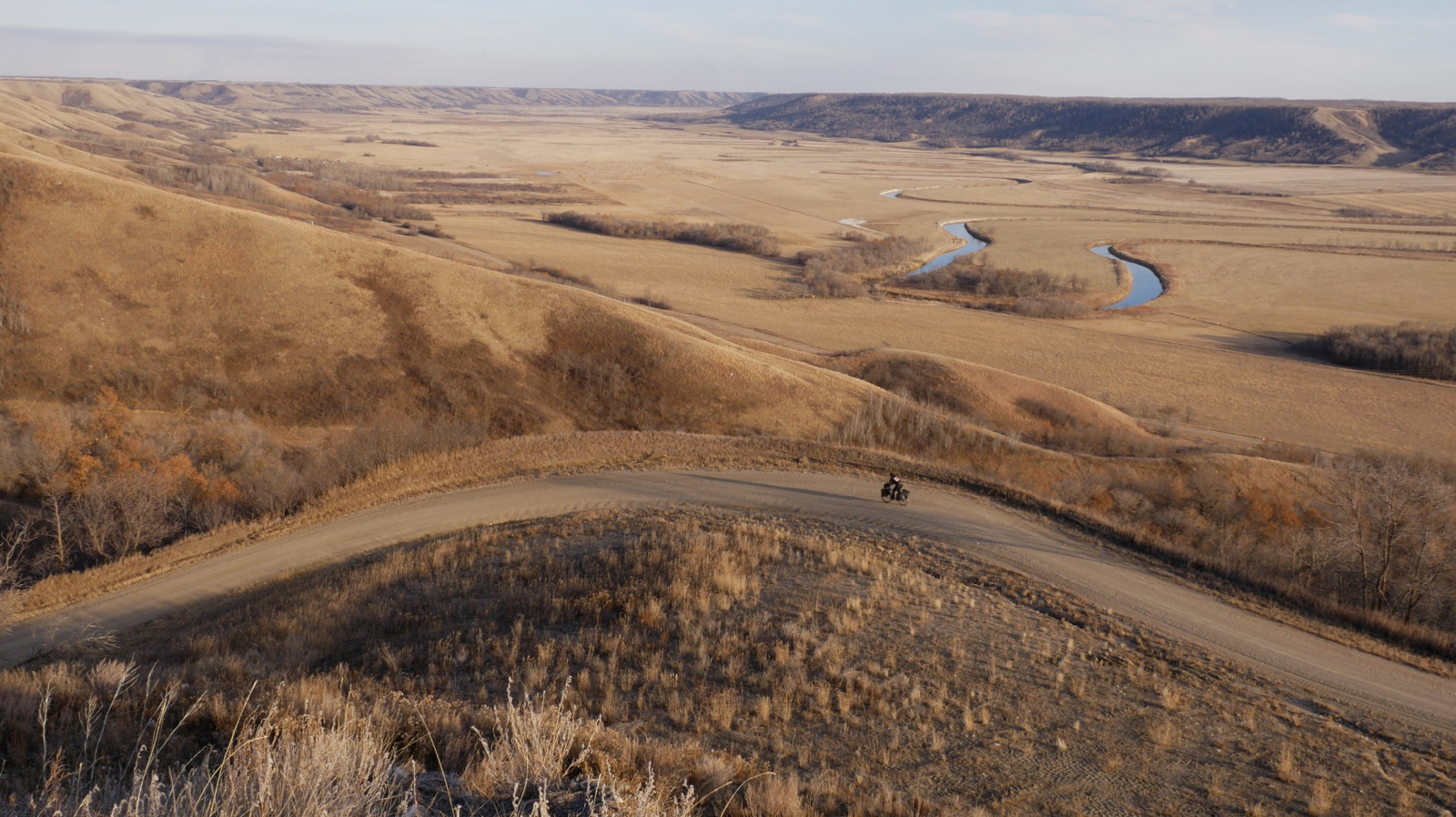
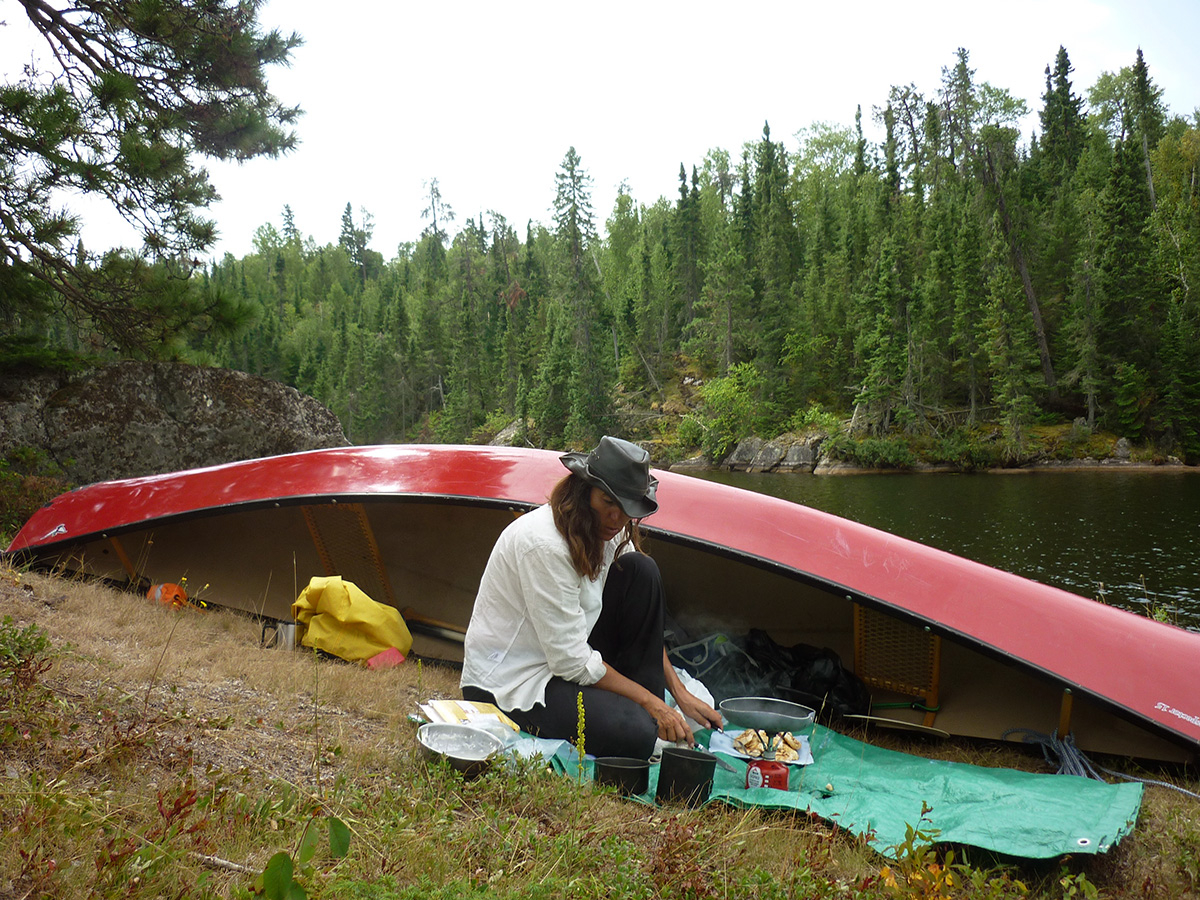
Along with a whole lot of hiking, skiing, snowshoeing and biking, Whelan paddled over 7,000 kilometres of rivers and lakes to complete her journey. When she first embarked on the project, which she’ll be turning into a feature documentary, she thought it might take a few years to complete and so chose the title 500 Days in the Wild.
But it actually took six years. Whelan started her journey in St. John’s, Newfoundland, taking a leg through the Maritimes before heading north. Her trip included a 4,000-kilometre paddle on the Arctic Ocean as well as a stint on the Voyageur Trail.
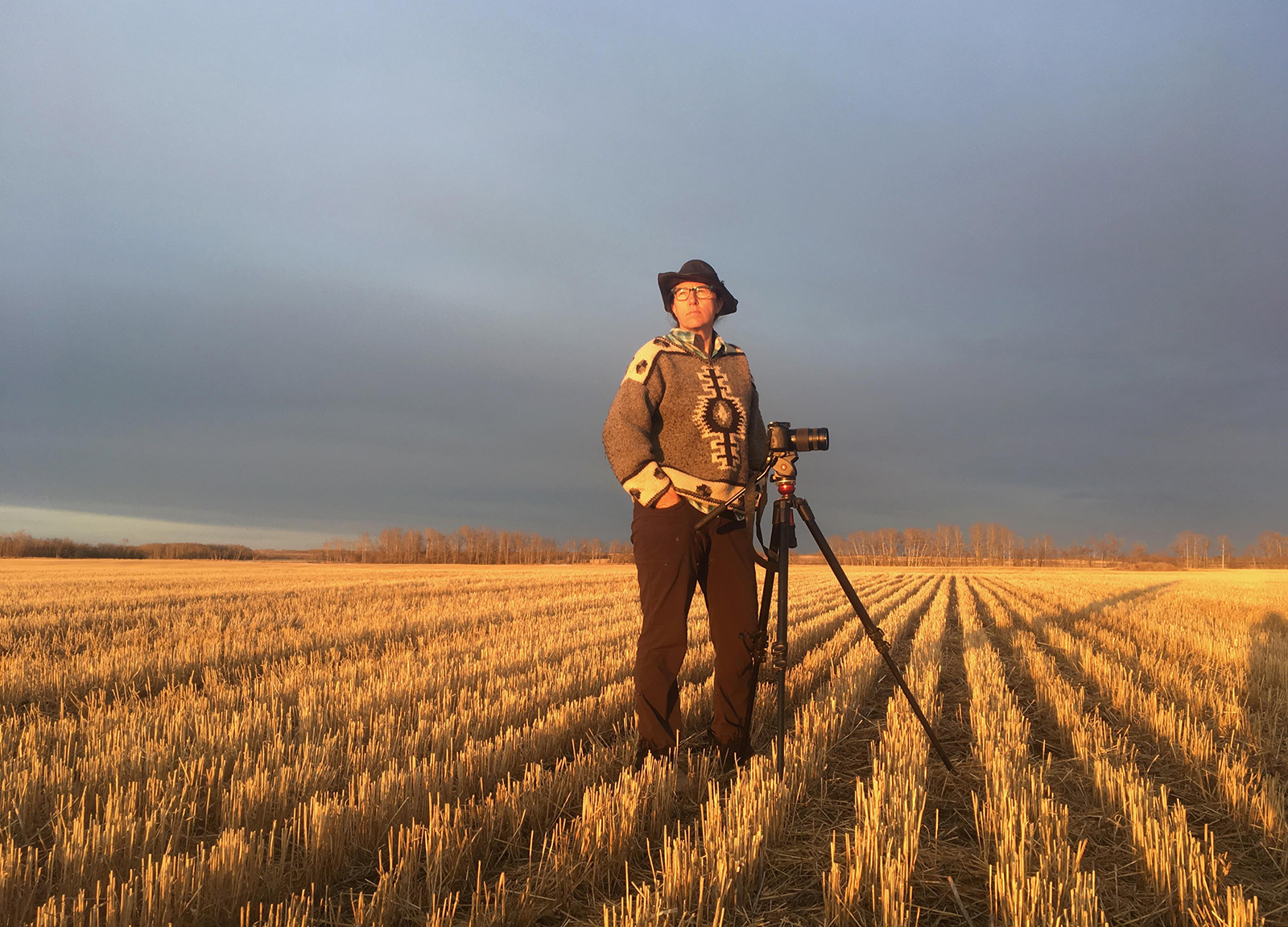
When The Tyee spoke to Whelan at her home on the Sunshine Coast, she was busily reclaiming her house from the squirrels that had taken over in her absence. She’s happy to be home, but already preparing for the next part of the project: winnowing down more than 500 hours of footage to make a documentary and write a book about the experience.
Whelan is no stranger to extremity, having made films on Mount Everest and in the High Arctic, but this journey was epic, even by her considerable standards.
My main question was: how does such an undertaking change a person?
The biggest thing Whelan learned was the importance of self-care. “If you’re tired, stop. Set up your tent, sew buttons, journal, rest,” she said.
Such purposeful slowing down doesn’t come easy to a working filmmaker, always on the hustle for the next project or grant. Like many artists, Whelan admits that self-care often gets jettisoned in busy times.
“This was new for me, finding that kind of balance,” she said. “You need to honour that time; it’s a gift. I was inspired to be with it, because so much of [film] production is not that way.”
In addition to the physical challenges of the trek, there was the mental aspect of extended periods of isolation. “I did a lot of mental and emotional training, learning to be with alone with myself.”
After charging out of the gate at the beginning, Whelan says she had to re-examine her methodology, to take off the rabbit suit and put on the turtle shell, as she likes to say. In finding another way forward, she looked to the many Indigenous people she met along the way.
Former Grand Chief of the Mi’kmaq Ben Sylliboy offered a different approach when he told her she wasn’t actually travelling in the old way if she wasn’t carrying the right thing in her heart. He gifted her with the mantra “Water is sacred.” Whelan also added “Earth is sacred” as she walked, she said.
An Elder told Whelan that winter was not a time when her people traditionally travelled; rather it was a time to slow down and be with family and friends. With this lesson in mind, Whelan alternated time spent on the trail with time spent at home.
She describes her own patterns as akin to a horse frothing at the mouth: “Gotta go!” It was a struggle to learn to do things differently, to change from what is the quickest to what is the most meaningful. “I buried my schedule. I learned self-care out of necessity, eating, caring for myself, meditating.”
It was an approach that resulted in her safe journey: “I never got sick, I never got hurt, I never had to phone search and rescue,” she said.
Over the course of her trek, Whelan learned how to survive and let go of fear. A return to nature is “like going home,” she said. “It’s about reconnecting to life. You get hyperconnected to other life forms. That kind of connection became a spiritual practice with me.”
Along the way, she met plenty of people and was struck by the almost universal levels of kindness. These encounters are documented in the Beacons Project, a sister project to 500 Days in the Wild that featured Whelan’s experience with different mentors and guides. The films are available to screen on CBC Gem.
For a solitary pilgrimage, there was plenty of socializing. Friends joined Whelan on the trail for certain portions, and all along the way ordinary folks would offer a place to sleep, a cold beer or a better kind of trail mix, courtesy of chef Michael Smith.
Still another aspect of the journey was an interior change. Whelan has always been too much in her mind, she said, and one of the lessons offered was the opportunity to think in a different way.
“The process was as important as my goal,” Whelan says. The journey wasn’t about a feat of athletic endurance or individual triumph, but rather learning the small part of something much greater, what she calls “humility on Lake Superior.”
The final stretch of Whelan’s trip, marked by the entrance of COVID-19, was completed largely alone with only her partner Louisa Robinson bringing supplies. This experience of solitude was shared by many people in the pandemic also suddenly forced into isolation.
What many shared in common was a reconnection with the natural world, finding solace and comfort there. “The only safe thing to do was to go for a walk in the woods,” she said.
Part of Whelan’s journey was about looking for hope in a time when darkness feels ubiquitous. In this, she cites the Iroquois concept of seven generations, of thinking and acting while considering the impact on future generations and balancing science with ancient wisdom to create a more sustainable way of living.
The re-entry phase, the change from extreme introversion to total extroversion took some getting used to. As Whelan said, she’s gone from watching Steller’s jays fly to flying to New York herself for a television interview. But for the moment she is home and looking forward to revisiting her cross-Canada journey all over again in editing footage from the trip.
“It’s just the beginning,” she said. ![[Tyee]](/design-article.thetyee.ca/ui/img/yellowblob.png)
Read more: Health, Travel, Film, Environment






Tyee Commenting Guidelines
Comments that violate guidelines risk being deleted, and violations may result in a temporary or permanent user ban. Maintain the spirit of good conversation to stay in the discussion.
*Please note The Tyee is not a forum for spreading misinformation about COVID-19, denying its existence or minimizing its risk to public health.
Do:
Do not: