

 SHARE:
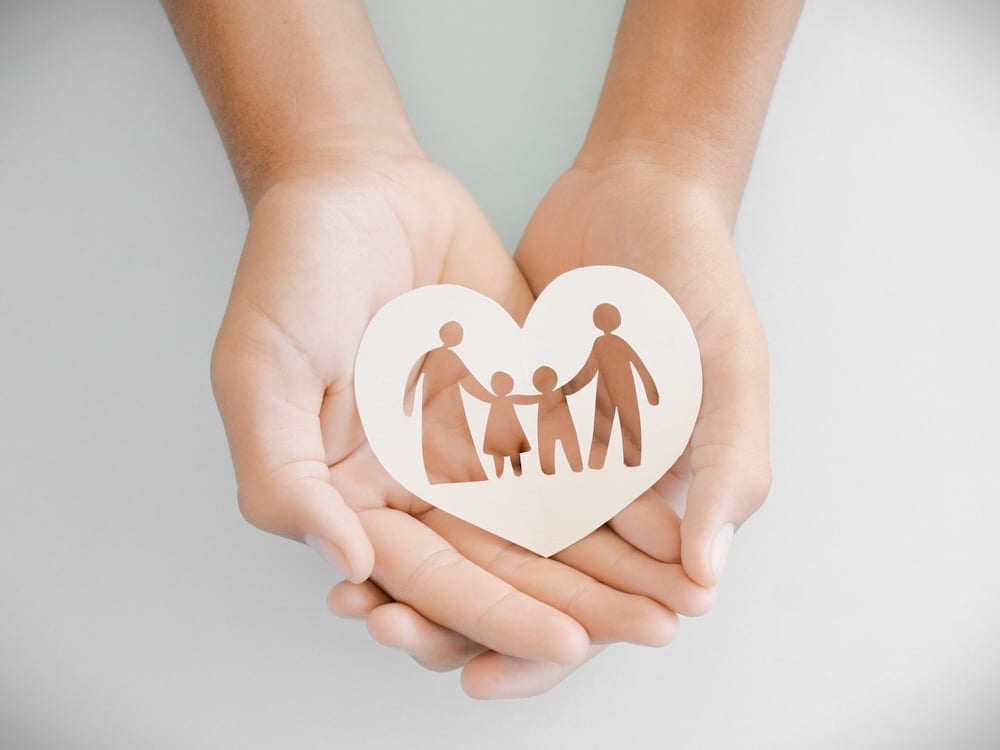
Today’s holiday across most provinces in Canada is called Family Day, a day to celebrate our family systems that many interpret to be the “nuclear” family.
Working in family law, we find that extended family, including chosen family, and friends, are often missing from this narrow definition.
Family Day gives us not only the time to reflect on what family means, but also time to think about the positive effects of expanding our definition of family and acknowledging the meaningful impact it can have.
At the end of 2025, Rise Women’s Legal Centre published a new report, “‘Should I Have Just Stayed?’ Improving Family Law Remedies for Survivors During BC’s Housing Crisis,” which looked at the effects of the crisis on survivors of family violence.
Over the course of the project, among the many disheartening findings, one positive finding stood out: the impact that the support of family and friends had on survivors after they leave abusive relationships.
In B.C., 48 per cent of women over the age of 15 have experienced some form of family violence.
At this point, the question is not if you know someone who has experienced family violence, but who you know who has experienced family violence.
We have all heard the common trope “Why doesn’t she just leave?” The real question is “Where can she go?”
Families can be a source of safety. When survivors can rely on friends and family, it can have a significant impact not only on their short-term housing options, but also on their long-term safety. Many of the survivors we interviewed for the research shared how staying with their sibling, parents, cousin or friend, even for a short period, made it possible for them to leave their abuser.
The support of family and friends, including financially and emotionally, has been found to contribute to people regaining housing after experiencing housing precarity. The homes of relatives and friends frequently serve as stopgap emergency shelters, particularly in communities without transition houses, or where the wait for the transition house is too long.
This reliance is sadly necessary. Transition houses and safe homes provide life-saving supports, but they are often full. Even when people can stay in transition or safe houses, there is a limit on how long they can stay. Safe and affordable housing can be impossible to find, and in B.C. only 25 per cent of women departing transition houses can find housing.
For most, this is precarious housing, with just four per cent leaving for safe, affordable permanent housing, while 75 per cent remain temporarily sheltered or return to their abuser. Financial precarity is the greatest predictor of whether a survivor will return to her abuser, and survivors frequently experience economic abuse, which makes them especially vulnerable.
The most dangerous time for a survivor is when they leave an abusive relationship. Women are six times more likely to be killed by a former partner than by a current partner. Recent femicides in B.C., such as the killings of Laura Gover-Basar and Bailey McCourt, highlight how vulnerable survivors are after leaving relationships.
Our research has found that the ongoing housing crisis and the family law system are putting survivors in dangerous situations, sometimes preventing them from leaving abusive relationships, and trapping them in poverty and housing insecurity. Survivors stay longer in abusive relationships when they cannot find safe housing for themselves, their children and their pets. Compounding the dangers survivors face are pervasive and harmful myths and stereotypes about family violence that affect the safety of survivors and children.
Perpetrators of violence attempt to control survivors by isolating them from their friends and family. This can include limiting or monitoring their communication, moving the family away from support systems or preventing them from having time alone with their friends and family. When abusers isolate their partners, including physically and emotionally, this tactic reduces the survivors’ options for escape and survival. Knowing the signs of abuse is critical.
Many queer communities have adopted the concept of a “chosen family,” a close network of people not related to you who are considered family. This concept, born out of devastating necessity, is something we see every day in our work.
This Family Day we are thinking about friends and family who are supporting a survivor of family violence, perhaps by helping to pay for groceries, connecting them with community resources or simply listening to them without judgment. These are all effective strategies to prevent violence and increase the safety of survivors.
At Rise, one of our main aims is to try to make the legal system safer for survivors of violence. Today, we wanted to celebrate the people who are contributing to this work alongside us in the way they show up for their families.
If you or someone you know is experiencing family violence, VictimLinkBC provides 24-7 multilingual referral services at 1-800-563-0808. ![[Tyee]](/design-article.thetyee.ca/ui/img/yellowblob.png)
Read more: Rights + Justice








Tyee Commenting Guidelines
Please note that email notifications for replies are not currently working due to a software issue which may be resolved in a future update.
Comments that violate guidelines risk being deleted, and violations may result in a temporary or permanent user ban. Maintain the spirit of good conversation to stay in the discussion and be patient with moderators. Comments are reviewed regularly but not in real time.
Do:
Do not: