

 SHARE:
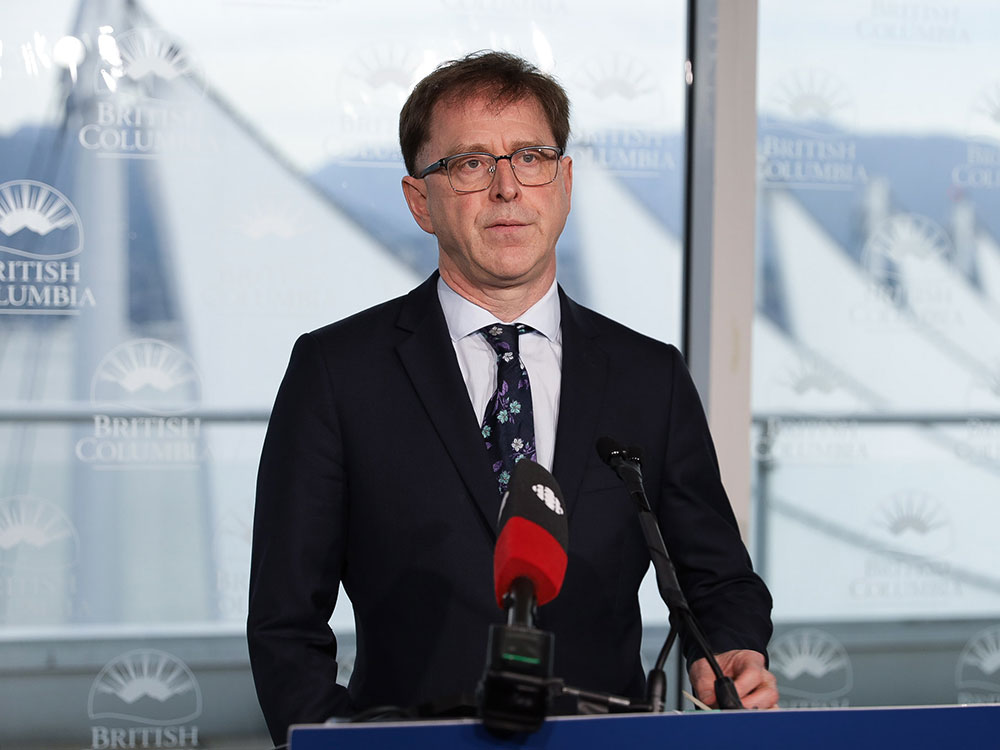
It’s surprising how little negative reaction has been levelled against the B.C. government for giving family doctors a $27,000 bonus with no strings attached.
The government rationale is that this $118 million interim funding — announced Aug. 24 — will be a bridge for primary care providers to meet their expenses from Oct. 1, 2022 to Jan. 31, 2023 while a new funding agreement is being negotiated.
According to the province, approximately 4,580 family doctors with their own practices and working in walk-in clinics will receive the funding. This represents more than 70 per cent of general practitioners in B.C.
The BC Green Party says the payment should have happened earlier. The BC Liberals think it’s a timid step forward. And the media is mostly just reporting the details of the announcement.
Perhaps this action needs to be examined a little more deeply, as it seems to resemble a frequent characterization of government-doctor agreements: that the government has managed, once again, to wrestle the doctors not to the floor but to the ceiling.
Clearly the fee-for-service payment model in B.C. is problematic and the inability for almost one million people to find a family doctor is a crisis. The big question though, is what exactly is being solved by giving thousands of doctors around $27,000 apiece over four months? All sides freely admit that this will not change practices, how many patients doctors see, or improve anything at all for patients.
Here is why the top-up is significant.
Getting a clear picture of doctors’ incomes can be complex. There are specific ranges that have been negotiated with physicians through Medical Services Plan billings. The lowest-paid general practitioners are “Scope B” doctors, who have a limited scope of practice such as sports clinics, with a minimum income range of between $186,686 and $233,358 per year. There are five additional GP groups, all with progressively higher MSP salaries (ranging from $207,118 to 277,327 annually).
But the income usually quoted in the media is the average net income (take-home salary after costs of practice are deducted) of GPs in B.C., which is $161,000 annually. The average gross income is $221,000. But these are averages for all family doctors, including those working part time or part year.
Just using the average MSP figures for net incomes of GPs, the $27,000 payment represents the equivalent of a salary increase of 50 per cent for the four-month period between Oct. 1 and the end of January 2023. Doctors are promised even more money after January when a new agreement is negotiated.
Another significant issue is the way doctors’ salaries are calculated.
The doctors’ reported salaries are MSP billings only; additional medical income and extra billing amounts are not reported. However in B.C., more than 60 per cent of doctors collect supplemental salaries and contract income for medical work, and they are also able to routinely bill their patients extra for uninsured tasks such as filling out forms or transferring medical records.
For example, my neighbour recently fell and broke her sternum and needed to pay her doctor $200 for filling out an insurance form so she could be off work. She’s someone who makes less than $23 an hour.
And I had to spend about $300 to have my medical records transferred when my doctor closed her office. She told me she had a contract with a medical records firm and could not give them to me directly. This now appears to be standard practice. A friend of mine who has complex medical issues had to pay more than $2,000 to have her records transferred.
Perhaps with more information and an explanation from government as to how this $27,000 top-up was calculated, on what basis doctors will get it, and why this decision was made, the public would then better understand Doctors of BC president Dr. Ramneek Dosanjh’s assertion that: “This is what we need to provide robust support for those doctors that are bleeding on the ground.”
The truth is that the $118 million that is going to doctors will not improve anything in the ailing health-care system as a whole and nothing will change for a single patient.
Governments frequently give direct handouts to the public, rather than providing much-needed services. The public usually recognizes this as either thinly veiled vote buying or an attempt to cover up a fundamental problem. But at least it’s usually evenly distributed and not — in the case of the doctors — just compensation for those who are among the highest-paid groups in the province.
The other thing to remember is that this is just round one in the negotiation of new agreements with B.C.’s doctors. Giving away pots of money without accountability is not a good model. Let’s hope this tactic is not an indication of the government’s negotiating stance for the future. ![[Tyee]](/design-article.thetyee.ca/ui/img/yellowblob.png)
Read more: Health, BC Politics









Tyee Commenting Guidelines
Comments that violate guidelines risk being deleted, and violations may result in a temporary or permanent user ban. Maintain the spirit of good conversation to stay in the discussion.
*Please note The Tyee is not a forum for spreading misinformation about COVID-19, denying its existence or minimizing its risk to public health.
Do:
Do not: