


 SHARE:
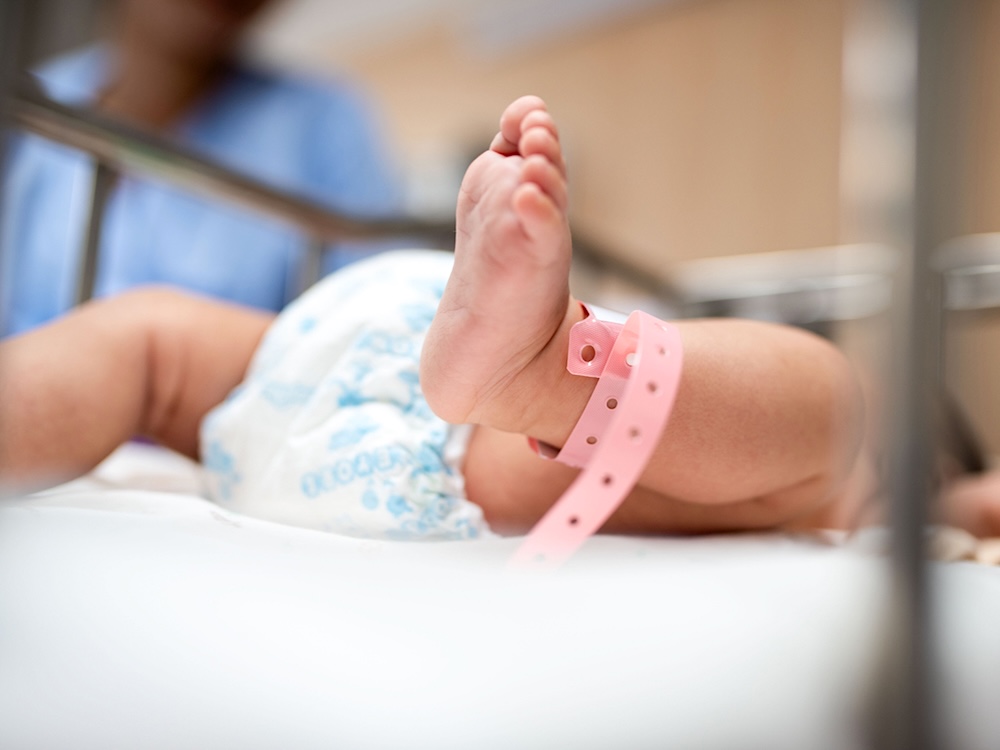
British Columbians subject to birth alerts can now apply to receive compensation as part of a proposed settlement of $66 million.
In B.C., birth alerts happened between 1980 and 2019. Child welfare workers with the Ministry of Children and Family Development, or a delegated Indigenous agency, reached out to hospitals ahead of a pregnant person giving birth, flagging the child as potentially needing protection after delivery.
Many infants, especially Indigenous infants, were apprehended from their parents shortly after being born because of this practice. In many instances the parents were never told they were subject to a birth alert.
A class action was filed in 2021 by Adrianna Zeleniski, who was subject to a birth alert in 2013, on behalf of the people subject to birth alerts. The case has largely stayed out of the courts. Jody Wilson-Raybould and Roshan Danesh acted as mediators, and a settlement was reached between Zeleniski and the province last month.
The Supreme Court of B.C. will determine if the B.C. settlement is fair and should be approved at a hearing scheduled for Dec. 4, 2026.
People who were subject to a birth alert will have until around 12 months after that hearing to apply to be a class member and receive compensation.
Other class-action lawsuits about birth alerts are still unfolding in Quebec, Ontario, Manitoba and Saskatchewan.
B.C.’s class-action settlement addresses only the birth alert itself and the alleged privacy and information sharing impacts of that communication, not any of the harms caused by the Ministry of Children and Family Development potentially apprehending a child.
In order to proceed as a class action, there has to be commonality around the experience and the harms, said Jen Winstanley, partner with CFM Lawyers LLP and counsel for the class action.
The legal team did not feel as if they could proceed with a class action that addressed child apprehension, because each apprehension was unique and caused unique harms, she added.
In B.C., the Ministry of Children and Family Development’s electronic records identify about 3,000 people who were subject to a birth alert, Winstanley said.
There are likely many more parents whose records are still analogue and in a filing cabinet, and who therefore don’t turn up in a search of electronic records, she added. In those older files a birth alert can include an official form or just a note stapled to a medical record noting the ministry was called.
While it can be difficult to know for sure if a parent was subject to a birth alert, a good clue is if the Ministry of Children and Family Development came to the hospital or involved itself in a child’s life shortly after they were born, Winstanley said.
If someone thinks they were subject to a birth alert in B.C. between May 31, 1980, and when the practice ended in September 2019, they can submit a claim on the Birth Alerts BC website. They will connect with a claims helper who can guide the person through the process of submitting a claim for compensation, which may include giving permission to review their hospital records and check for a birth alert.
If approved, the settlement will provide at least $2,000 per class member, with Indigenous class members receiving additional compensation.
How much each class member receives will depend on how many people submit eligible claims, Winstanley said.
The proposed settlement will also include a collective fund to support families and communities affected by birth alerts, although what that will look like is also still up in the air, she added.
People who were subject to a birth alert but are not happy with the proposed settlement can file an objection form, also found on the Birth Alerts BC website.
The Birth Alerts BC website notes that the settlement is not an admission of guilt by the province.
Winstanley said not admitting liability is standard in legal proceedings like this.
The province issued a statement acknowledging harm when it ended the practice and has agreed to issue another public statement in the future.
The Ministry of Attorney General said in an email it couldn’t comment on the class action’s settlement as it is still before the courts.
However, the ministry added that it knows birth alerts were primarily issued for marginalized women, with Indigenous women disproportionately affected.
“We acknowledge the trauma women experienced,” the ministry said, adding that ending birth alerts “reflects our commitment to strengthening families and keeping them whole.”
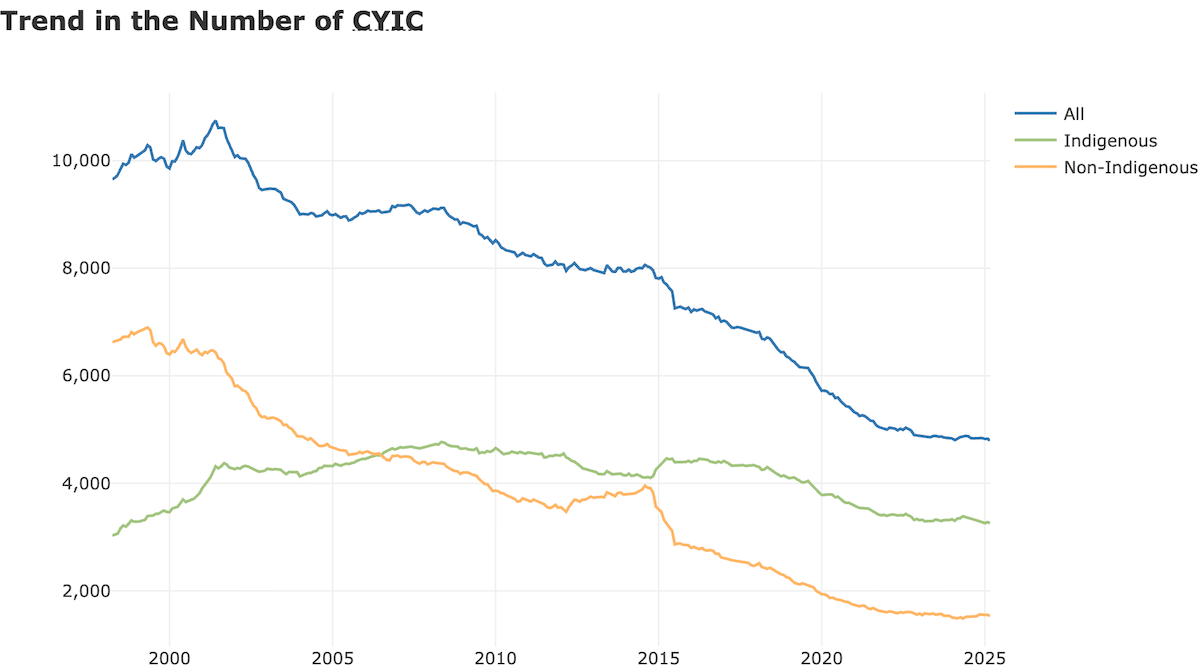
In 2019, when B.C. ended the practice of birth alerts, about 65 per cent of the 6,365 children in the care of the Ministry of Children and Family Development were Indigenous, mostly First Nations.
As of June 30, 2026, just over 68 per cent of the 5,030 children in the care of the Ministry of Children and Family Development are Indigenous, according to the ministry.
B.C. was the first province in Canada to end the practice of issuing birth alerts. ![[Tyee]](/design-article.thetyee.ca/ui/img/yellowblob.png)
Read more: Health, Rights + Justice





Tyee Commenting Guidelines
Please note that email notifications for replies are not currently working due to a software issue which may be resolved in a future update.
Comments that violate guidelines risk being deleted, and violations may result in a temporary or permanent user ban. Maintain the spirit of good conversation to stay in the discussion and be patient with moderators. Comments are reviewed regularly but not in real time.
Do:
Do not: