


 SHARE:
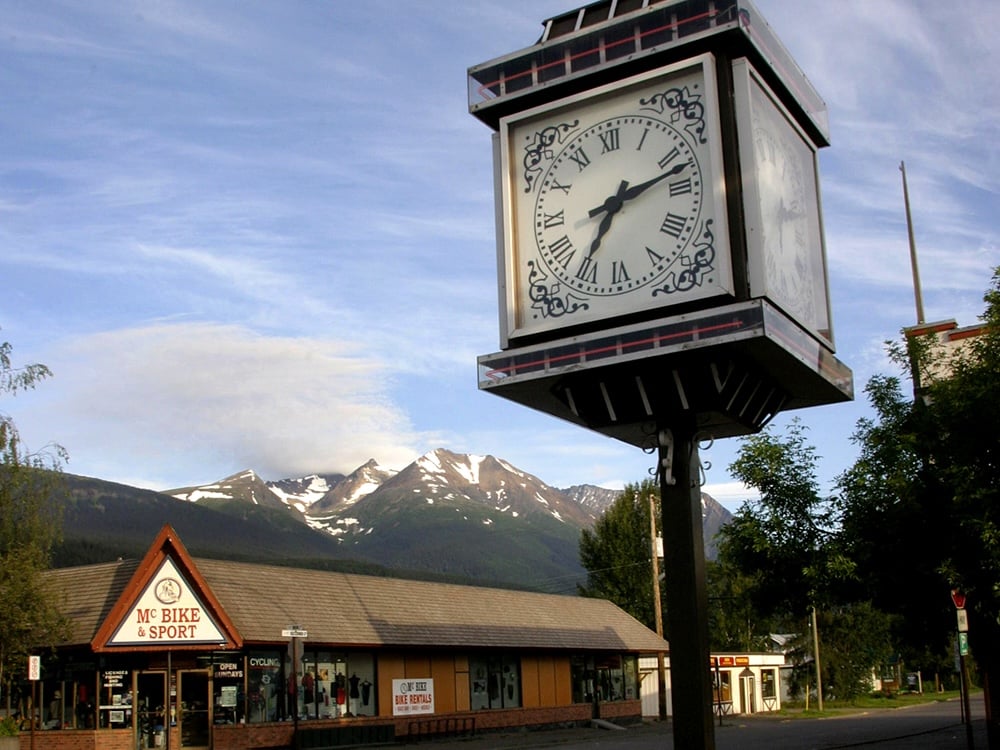
They call it “islanded” time.
But the phenomenon, which is specific to northwest B.C., is not to be confused with the malaise you might experience after a lazy weekend at the lake.
Instead, this time warp can include symptoms of confusion, being chronically early and unnecessarily calling the local repair shop.
“We do hear stories about folks who will go to an appliance repairman,” says Mike Kellett, manager of northern community relations for BC Hydro. “But when folks find out that it’s due to the electrical frequency... they get a bit of a kick out of it.”
Time can warp several times a year, Kellett says.
Clocks will gradually, almost imperceptibly, speed up. They gain about 12 seconds every hour — edging forward in a manner that may go unnoticed over a day but can add up over time, leaving locals scratching their heads or rushing to their next appointment. After just two days, affected clocks will be 9 1/2 minutes ahead of the actual time.
This happens when BC Hydro switches to an alternate power source during maintenance or unexpected service interruptions caused by things like electrical storms or trees felled by beavers.
The northwest is served by a single transmission line that extends from Prince George to Prince Rupert. The regional grid also extends to Iskut, 500 kilometres north of Terrace.
Being isolated, or “islanded,” to use BC Hydro’s term, would leave the region vulnerable to power outages if it weren’t for an aluminum smelter on the north coast.
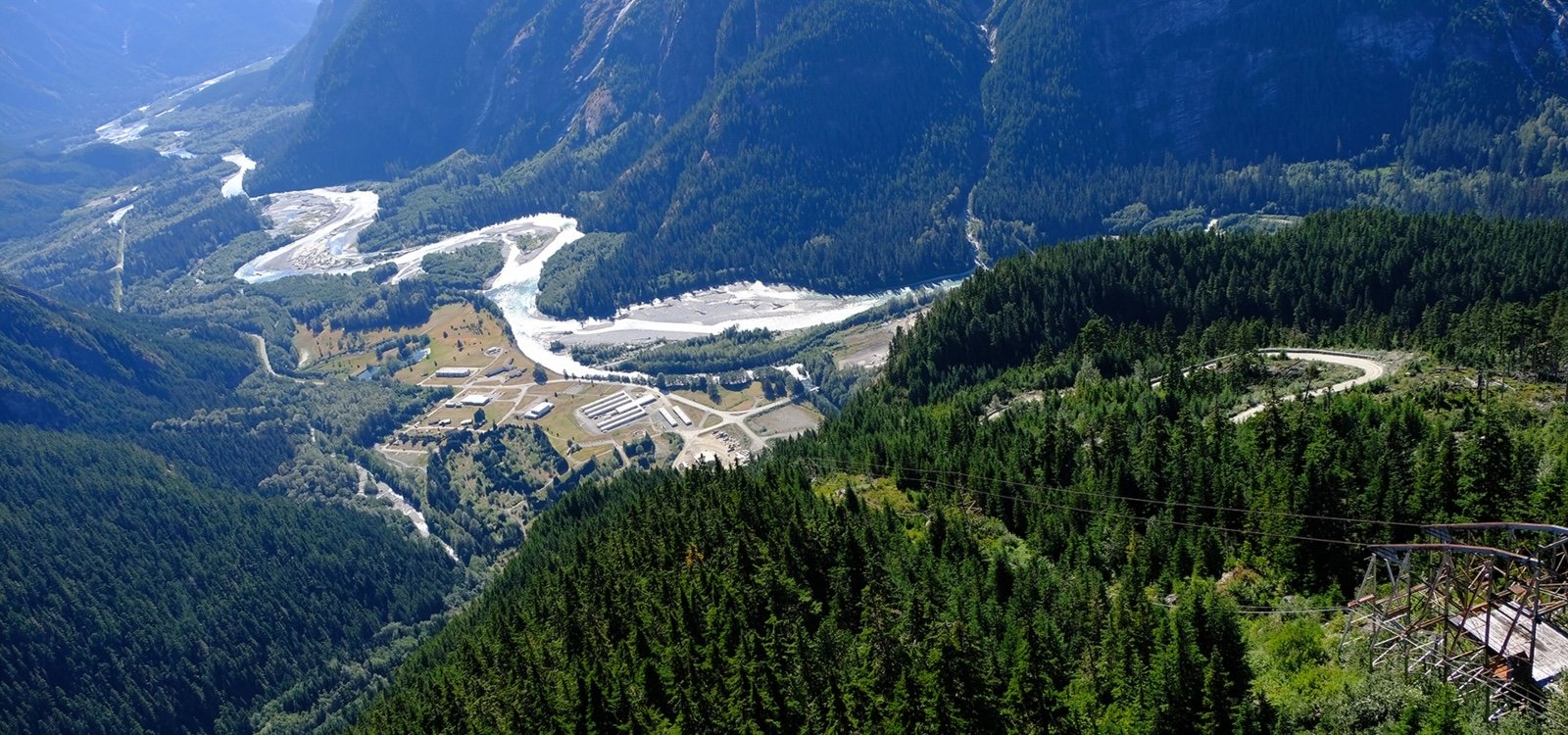
Rio Tinto Alcan, originally the Aluminum Co. of Canada, has been producing its own power for more than 70 years. The Kemano Generating Station exists “almost exclusively” to supply power to the company’s smelter in Kitimat.
But it’s also BC Hydro’s fallback plan when it can’t get power to customers. When that happens, the Crown corporation can quickly switch to Kemano power.
“You really wouldn’t notice it at all, except for this strange quirk with mechanical electrical clocks,” Kellett says.
Electricity supplied by Kemano runs on a slightly higher frequency — about 60.3 hertz compared with BC Hydro’s standard 60 hertz. For the most part, customers don’t notice the difference.
But some plug-in clocks use electrical currents to calculate time.
That means older-model alarm clocks and kitchen appliances, like ovens and microwaves, will speed up relative to the higher frequency. Devices like cellphones and computers, as well as battery-powered clocks and clocks that sync with radio, internet or GPS, are not affected.
Kitimat Mayor Phil Germuth said the phenomenon is common knowledge with locals.
“Anybody who’s been here for a while is aware of it,” he says, although newcomers sometimes need to be brought up to speed. “Anybody who’s been here for a while will just say, ‘That's because we’re on the Rio Tinto power.’”
The inconvenience is “a small price to pay” for having backup power to the region, Germuth said.
The change can last from a few hours up to several days, Kellett says. The clock quirk primarily impacts Kitimat and Terrace, although communities as far away as Prince Rupert, Smithers and Iskut can be affected, depending on an outage’s scale.
During line maintenance in 2021, the region spent nine days on Kemano power, Kellett says, the longest stretch in recent history.
That power comes at a cost to BC Hydro. Financial reporting over the past decade shows that the Crown corporation pays, on average, about $150 million to Rio Tinto Alcan each year for the power it supplies.
Its dependence on Kemano power has remained fairly constant over the years, Kellett says.
However, according to a 2023 BC Hydro report, climate change is making power outages more common.
Heat waves, floods, severe snow and wind storms, and an increasing number of trees affected by drought “have led to some of the most damaging fall and winter storms in BC Hydro’s history,” the province’s power producer says.
That has the potential to result in more power outages, it adds. BC Hydro is preparing for that by improving its meteorology models and proactively removing trees at risk of falling on power lines.
The Crown corporation hopes a plan to upgrade the power grid in northwest B.C. will improve reliability. Construction on the proposed North Coast Transmission Line is slated to begin next summer. The $3-billion project will twin and augment the power connection between Prince George and Terrace. The line could be supplying power to the region by late 2030.
It’s still unknown what long-term impact the resiliency work and new line will have on BC Hydro’s reliance on Kemano power, Kellett adds.
In the meantime, he says, the Crown corporation is grateful to have the backup power source.
“Whenever we have an emergent outage that impacts that service region, it’s really just a matter of minutes before they have power back on,” he says, adding that the effect of the change in frequency is “more of a local legend than a technical concern.”
“There is a bit of quirkiness to it.” ![[Tyee]](/design-article.thetyee.ca/ui/img/yellowblob.png)
Read more: Energy, Science + Tech











Tyee Commenting Guidelines
Please note that email notifications for replies are not currently working due to a software issue which may be resolved in a future update.
Comments that violate guidelines risk being deleted, and violations may result in a temporary or permanent user ban. Maintain the spirit of good conversation to stay in the discussion and be patient with moderators. Comments are reviewed regularly but not in real time.
Do:
Do not: