


 SHARE:
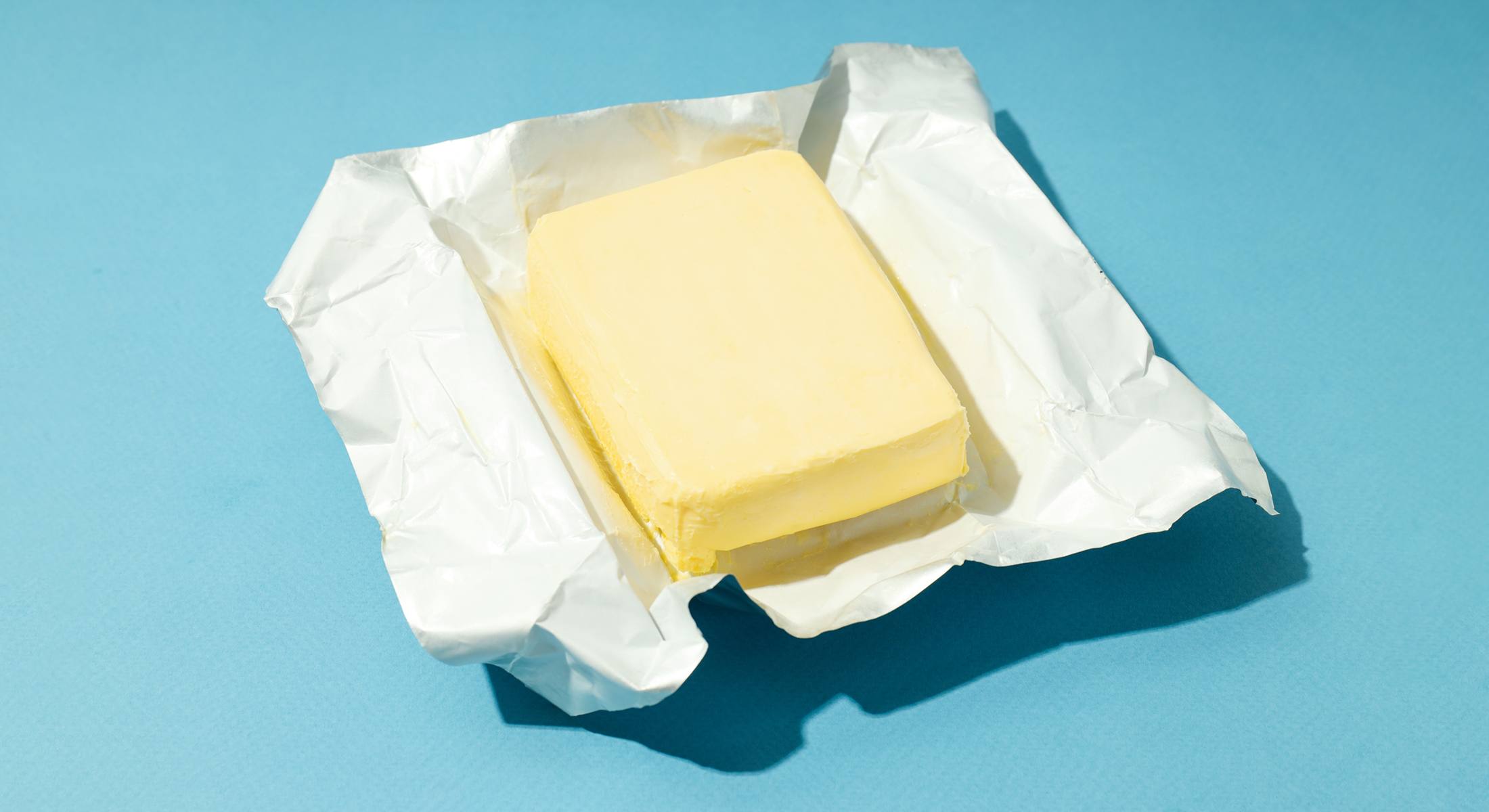
It’s good with eggs, key for baking and spread on toast. Butter, a kitchen staple so ubiquitous that it’s often overlooked, has recently smeared itself into a cultural resurgence as the focus of three dissonant trends offering windows into the hopes and anxieties of the first quarter of 2026.
Runners experimenting with making their own butter while jogging have turned (churned?) “butter runs” into a viral exercise trend.
By adding heavy cream to a sealable plastic bag and popping it into a fanny pack or running vest, it’s possible to churn the cream into butter, they say, by running for about an hour.
Elsewhere on the internet, a fleet of mothers has taken to TikTok to film themselves feeding butter to their babies.
A Vancouver-area woman filmed her baby devouring a stick of butter for the first time as part of her introduction to solid foods in December.
“What the helly,” she wrote in the video caption.
In a January post, a woman in Utah holds her young son in her arms while telling the audience that she gives him half a tablespoon of butter before bed every day to help him sleep. “Before that, he was waking up, like, once a night to eat,” she said.
The butter-for-babies content reads as a zany, devil-may-care response to the torturous sleep deprivation that can plague early parenthood. It echoes a style of parenting known as “fuck-around-and-find-out,” or FAFO. The 2025 trend was embraced by some as a hands-off, “do-what-you-will” response to the more earnest and emotionally labourious strictures of gentle parenting.
But the butter-for-babies phenomenon also carries misinformation. The viral videos don’t acknowledge two truths: it’s normal for babies to wake up multiple times a night, and research shows that what infants eat during the day does not affect how they will sleep at night.
Still, people may be poised to embrace butter for babies — or even butter for runners — because we are in a cultural moment when a greasy confluence of rising food costs, ‘Make America Healthy Again’ and raw milk influencers are shaping food culture.
There are also market forces at play.
In a December article for Forbes, food culture writer Stephanie Gravalese explained that in the United States, Americans are drinking less milk, but dairy processing remains steady.
“When companies are sitting on this much inventory, seasonal baking demand is not enough to cover it. They must create new reasons for consumption, which explains the sudden rise in high-concept brand partnerships,” she wrote.
Gravalese declared butter the most unexpected food trend of 2025. Actor Melissa Joan Hart was named Pop Secret’s “Chief of Butter,” for example.
A slippery slope
Butter runs, buttery parenting hacks and butter as a food trend all have roots in something more deep-seated. They reflect the hopes and anxieties of a period shaped by economic precarity, geopolitical unrest and the unsettling ways that both are broadcast through the very devices and social platforms we’re using to dissociate from the chaos all around.
Butter runs and feeding butter to babies are popular because they read as absurd. But they are also outcomes of the absurd societal conditions that have become everyday life in 2026.
In times of upheaval, economists have noted how people turn to small, affordable indulgences as a way of seeking comfort and control. It’s known as the “lipstick effect,” named for the noted uptick in cosmetic purchases during the Great Recession. What was happening in the drugstore cosmetics aisle of 2008 gave way to “little treat” culture of the mid-2020s, when people used social media to document the small rewards they gifted themselves for conquering daily tasks, such as doing the dishes or going to work.
Butter’s current presence in internet culture is continuing to ooze outward. Butter ASMR forms an entire genre on TikTok. It represents a luscious, affordable indulgence that promises to insulate its consumers from the anxieties of a moment when many of us are grasping for control, or even better, a little treat, when the wider world feels bereft of both.
The millennial and Gen X drivers of today’s butter trends were children and teens in the low-fat ’90s, when margarine ruled the grocery store after the hard-working yuppies of the 1980s paved the way towards a health-conscious, heart-healthy food culture.
Now, butter’s artery-clogging qualities seem to have given way to a collective impulse to live large when we can, while we can. Watching a baby take a big bite from a stick of butter is compelling not only for its absurdity, but because it also communicates a darker truth: that this, of all things, is the kind of approachable decadence that one might expect to obtain in a time of austerity and greed, when there is so little else to hope for.
To be fascinated by something so quotidian suggests how elusive other cornerstones of stability have become — living wages, meaningful work, a certain future. Those are things worth fighting for. And we should ask ourselves why butter holds our attention even so. ![[Tyee]](/design-article.thetyee.ca/ui/img/yellowblob.png)












Tyee Commenting Guidelines
Please note that email notifications for replies are not currently working due to a software issue which may be resolved in a future update.
Comments that violate guidelines risk being deleted, and violations may result in a temporary or permanent user ban. Maintain the spirit of good conversation to stay in the discussion and be patient with moderators. Comments are reviewed regularly but not in real time.
Do:
Do not: