


 SHARE:
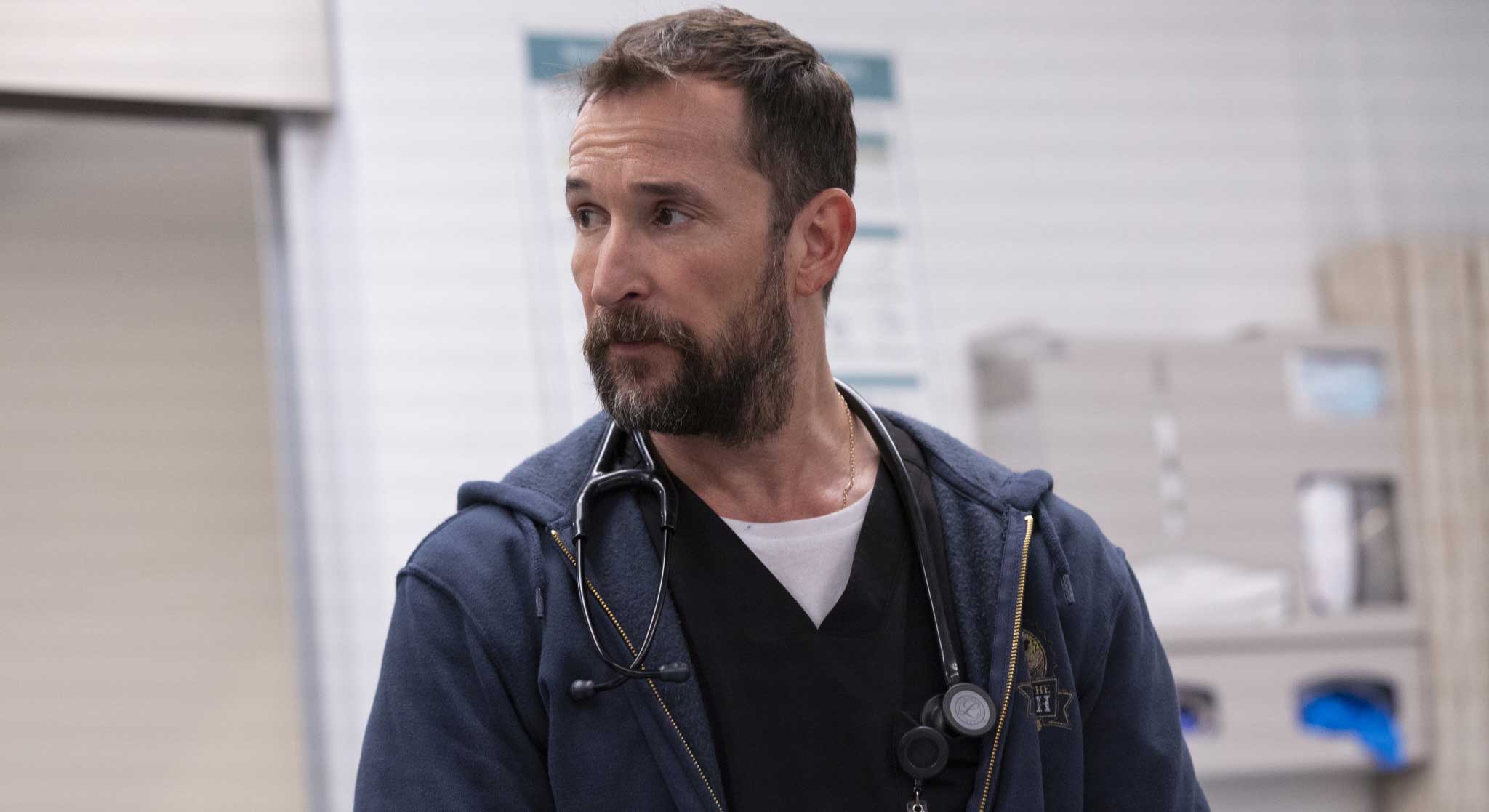
Every Thursday night, I clear my schedule. No events, no dinners out, all so that I can watch The Pitt. The critically acclaimed medical procedural drama, starring and executive produced by actor Noah Wyle, premiered on HBO Max last year and is now in its second season, streaming on Crave in Canada.
That a television series would incite this kind of commitment from me is rare. In the age of streaming services when everything is largely available, the idea that I need to be parked in front of the TV at a scheduled, given time feels almost anachronistic, a throwback to an earlier era. But in a moment when many people, myself included, feel increasingly desperate for kindness, civility and competence, The Pitt is like a shining beacon on a hill. A light to remind you that there is goodness in the world, and it often emerges when things are darkest.
Much has been made about the “competency porn” of the show. In an era of overlapping crises featuring the disturbing downfall of public health in the U.S., it makes sense that audiences are hungry for television that depicts health-care workers being very good at their jobs.
But I would argue that it is something else that makes me devote an evening each week to The Pitt. It’s acceptance. Acceptance largely without judgement.
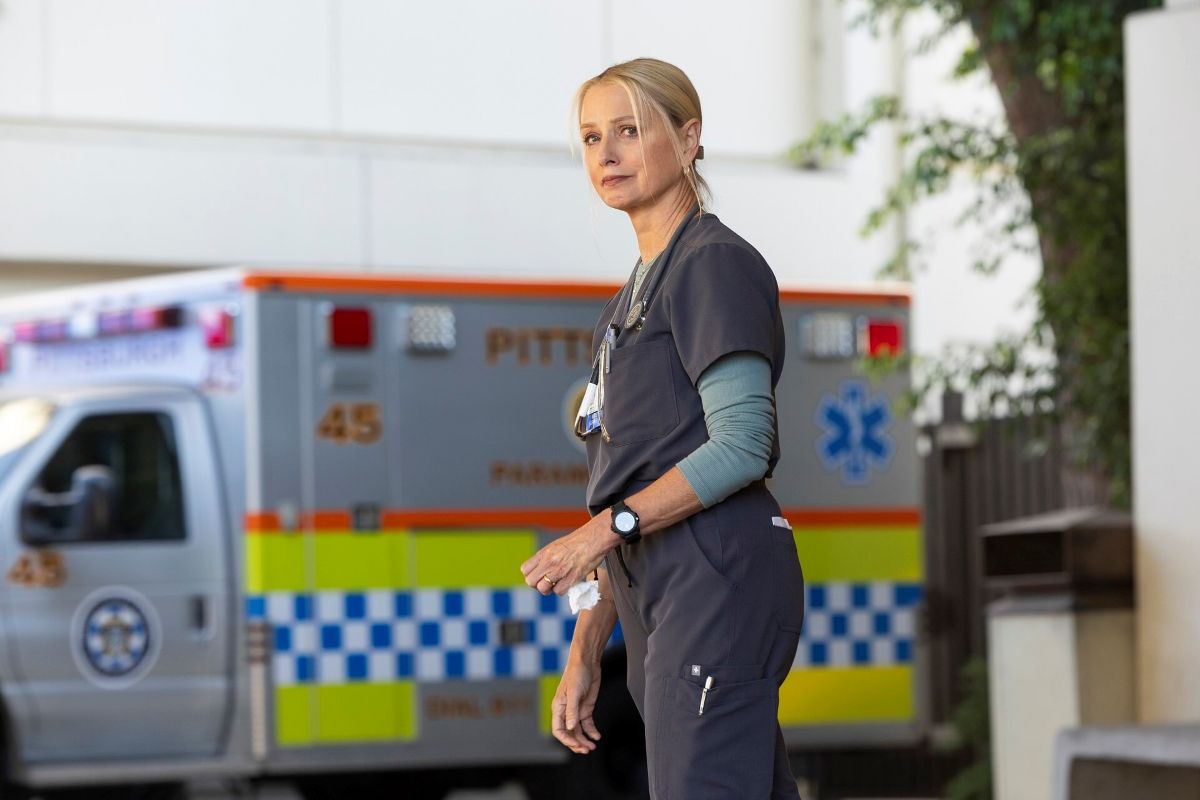
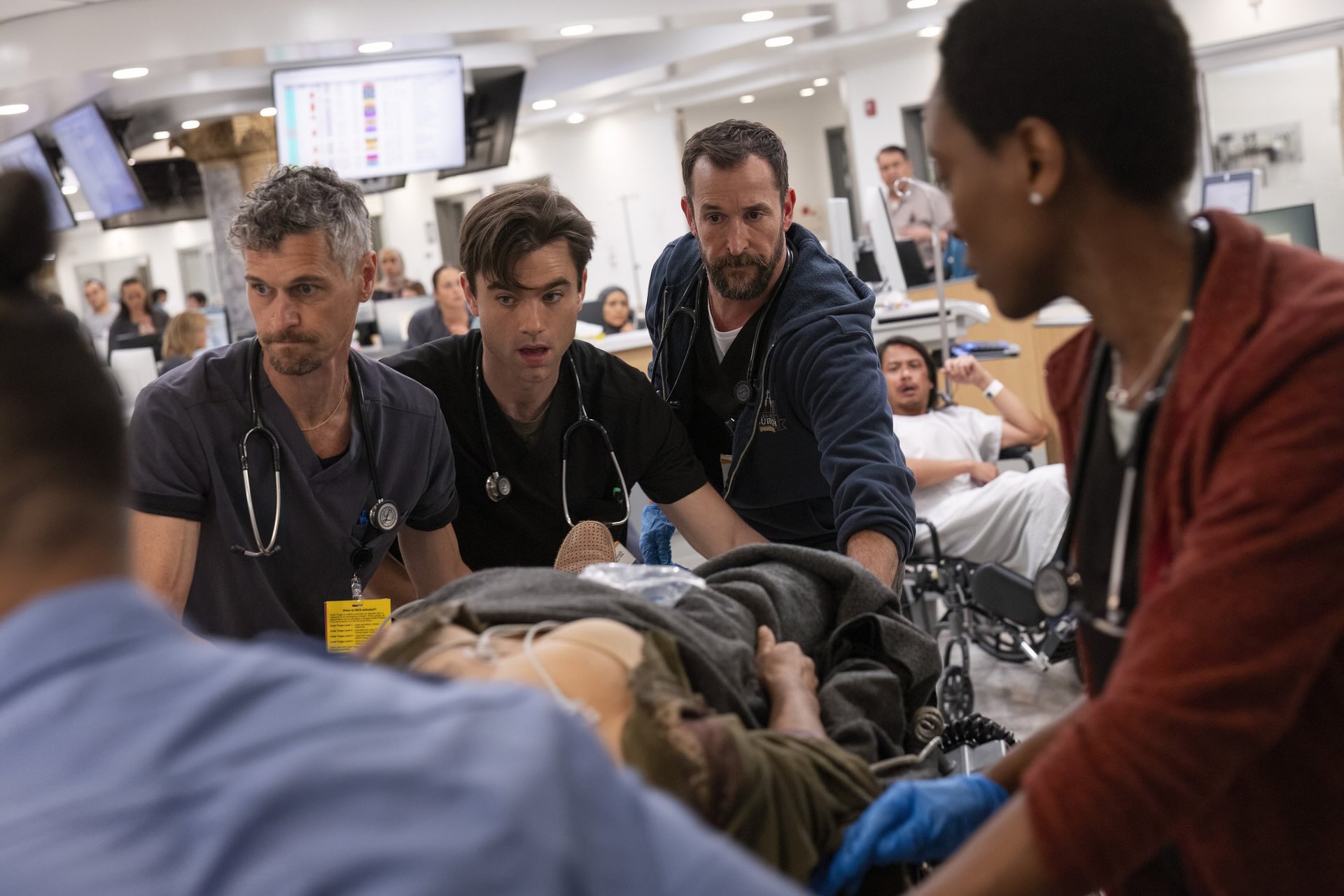
No matter how icky, sticky or big the problem, the emergency department staff of the fictional Pittsburgh Trauma Medical Center take the time to introduce themselves to every patient that they deal with. Whatever the issue — impacted bowel, gunshot wound, end-stage cancer — doctors and nurses assess the need, treat the affected person and do all of it in an atmosphere of honesty and plainspoken openness.
Solutions are sought. If none are available, then reality is faced with calmness, gentle support and dignity. The Pitt is a compelling study in humanity, and all that that word entails.
Every time I’m tasked with filling out an intake form for any medical or dental issue, I am always struck how many things can go wrong with the human body, and these are just the most common ailments and conditions. Really, it’s amazing that most of us stumble along as long as we do.
When you’re young, it’s easy to laugh at the cliché of older folks getting together and talking about their many health concerns. But then it starts to happen to you and the people you know and love. Suddenly, it’s not so funny any longer.
That we’re all born to die isn’t exactly astounding. More curious is our ability to skip along for a good chunk of time, feeling like it may happen at some distant point in the future, but certainly not now, not for ages, right? Right?
But then, the generation immediately in front of you starts to pop off.
And then it’s people in your age group or younger.
The recent spate of celebrity deaths including Catherine O’Hara, James Van Der Beek, Bud Cort, Robert Duvall, Frederick Wiseman and Jesse Jackson is a little disconcerting.
Humans know intellectually that no one gets out of here alive. But emotionally, it still feels like an impossibility.
Even in a fictional setting like the emergency department of a big-city hospital like that depicted The Pitt, last week’s Episode 6 death of Louie, a beloved patient and “frequent flyer” (someone who regularly visits the ER) seemed to catch the staff off guard.
A longtime alcoholic who visited the hospital to deal with the repercussions of his drinking, Louie was a mess, but he was also funny, sweet and disarmingly charming. His death was treated like that of a family member or old friend.
The reality of people dying is only one aspect of the show. The more resonant thing, at least from my perspective, is that life goes on. Silly jokes, banter, donuts, betting contests, even romance. One of the great joys of the show is the culture of people working together, knowing that they can rely on each other when things feel completely impossible.
A reminder that people want to do good
Some critics made the point that in the first season of the show, the name of the game was crisis. A mass shooting formed the bloody epicentre of the action.
This season, more entrenched and systemic problems are the meat of the narrative. The characters reckon with a lack of health-care resources, the advent of AI in the workplace, the byzantine complexities of the American health insurance system as well as the ongoing grind of operating in a system that seems designed to favour profit over people.
The most recent episode of the show reflected on how the true heroes of any large hospital are its nursing staff. They’re charged with everything from ensuring patients have sandwiches and juice boxes, to cleaning a corpse so that anyone who wants to pay their last respects can do so in an atmosphere that respects and honours both the living and the dead. They are also the folks who deal firsthand with disrespect, violence and burnout.
Anyone who has ever worked in a demanding job knows full well that the only thing keeping a workplace together is the people who you work with every day. It’s a little like going to war. Even if you don’t believe in the greater cause, you’re there for the people in your platoon, the folks who have your back when the shit goes down. This experiences forges bonds that are harder and more enduring than tensile steel.
But what is this collective compulsion about watching The Pitt really about? Certainly, there have been many medical dramas over the years, from ER to House, so why is this one any different?
Maybe that in a moment when it’s hard to have much faith in humanity, it’s a reminder that most people want to help those who are in need.
A vision of what could be
I can’t help but think about how the fury that erupted around Heated Rivalry was really about seeing another way of being: a place of succour, comfort, acceptance, love.
The show represented a place, a person and a moment when you could let your guard down, drop your fists, relax your shoulders.
You don’t know how desperately you’re craving this until it presents itself.
You think you’re doing okay until the possibility of something different enters the picture. And the contrast between what is and what could be is so great that it breaks your heart.
A recent essay by Jenka Gurfinkel that was republished in Maclean’s made the point that the ferocious reaction to Heated Rivalry came in part from the overload of darkness and dystopia that popular entertainment trades in.
“In the 21st century, dystopian fantasies that inure people to violence, brutality and trauma pervade the entertainment landscape,” she writes. “These movies and TV shows have become cultural shorthand.… Dystopia’s vernacular of dehumanization, desensitization and cruelty, especially toward women, seeps into everything.… Deeply disturbing, inhumane narratives and visuals are constantly streaming into our eyeballs in the guise of entertainment, like we’re all living in A Clockwork Orange.”
So, here we are. Sure, The Pitt is just a TV show, and there are millions of them. But it is a reminder that there is another way, a different path that we could take, if we want to. Despite the overwhelming evidence to the contrary, I still think most people, in their deepest hearts, want to do good. It takes concentrated, near-constant effort to turn this instinct to its opposite.
The obliterating level of violence in mainstream culture is there to serve a function, namely to condition people to think it’s normal and acceptable.
It’s strange when something that you’ve become inured to suddenly palls, like spoiled milk. It happened to me not that long ago watching a trailer for some action buddy film with the likes of Jason Momoa and Dave Bautista. Suddenly the casual killing, played for laughs, didn’t seem fun or entertaining. It just seemed awful. Cheap, dumb and shopworn.
Maybe the time has finally come for something new to emerge.
More than aspiration
Gurfinkel’s essay makes the point that our collective reliance on dystopia has not only stunted our imaginations and eaten away at empathy and compassion, but it has in fact trained us to expect that nothing can ever change.
“Dystopia limits our imaginations, and also those of film and TV creators. It primes their perception and reflects back to us through the lens of their own visions,” she writes. “But [dystopia] is, in fact, an intensely conservative, hypnotic tool. Every vision that has, for decades, depicted the future as a dissolute, perverted, joyless world fallen from grace, has conditioned us to expect this inevitable, hopeless fate: more of the same, but worse.”
That’s where cultural creations like movies, books and television programs that do things differently become vitally important. They’re not always a manifestation of what is, but also what could be. In this aspect, they are more than aspirational. They can provide a model for us folks, here in the real world, scrabbling on our hands and knees for some indication of a better way to be.
All the utopic thinkers of the past, from David Graeber to Wilhelm Reich, grasped that we are innately physical creatures tied to the reality of our senses and bodily needs.
That something like The Pitt, with its commitment to helping alleviate suffering, begins the healing process and a return to wholeness feels like a step in the right direction.
‘The Pitt’ is streaming in Canada on Crave. New episodes are released Thursday nights. The Season 2 finale airs April 16. ![[Tyee]](/design-article.thetyee.ca/ui/img/yellowblob.png)






Tyee Commenting Guidelines
Please note that email notifications for replies are not currently working due to a software issue which may be resolved in a future update.
Comments that violate guidelines risk being deleted, and violations may result in a temporary or permanent user ban. Maintain the spirit of good conversation to stay in the discussion and be patient with moderators. Comments are reviewed regularly but not in real time.
Do:
Do not: