 SHARE:
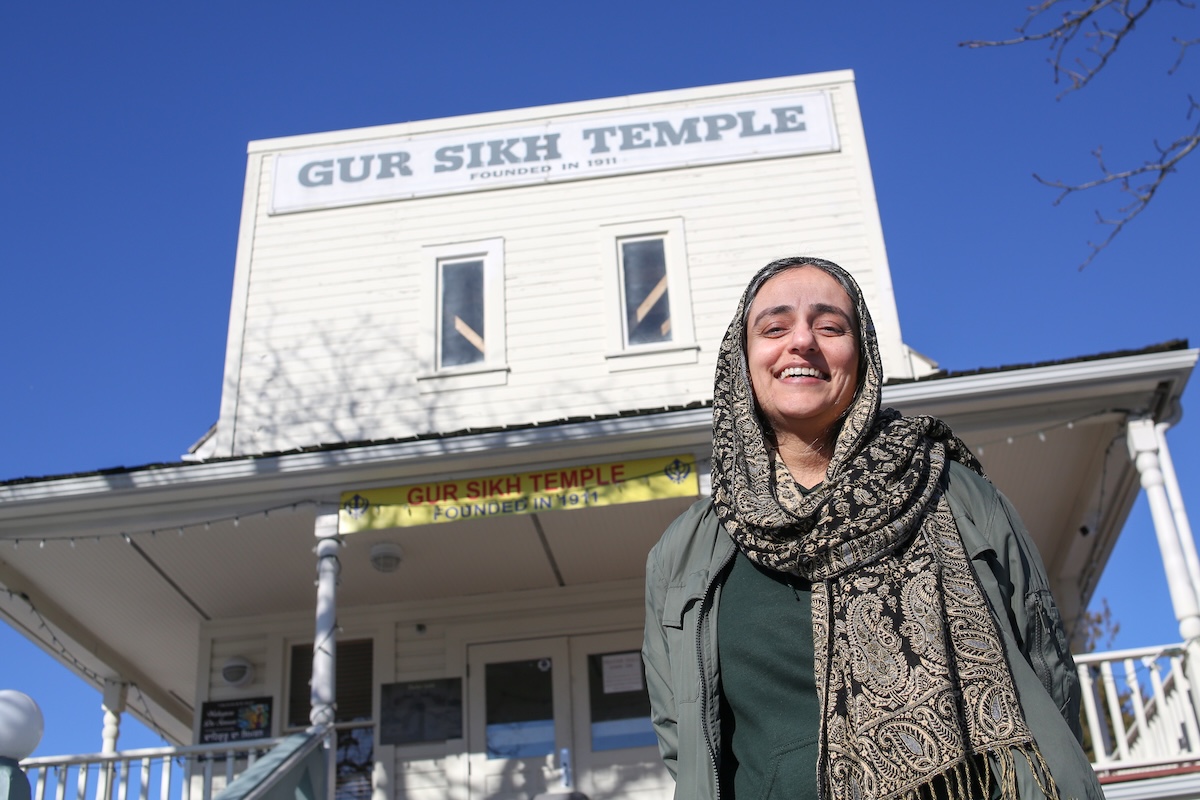
Our local history series Place Detective runs (almost) every month, and it gives both readers and Tyee writers a chance to take a break from the news of the day to reflect on the fascinating history behind B.C. places.
This year we travelled far and wide — from the site of a former marijuana museum in Vancouver, to a roller-coaster ride of a highway in Bella Coola, to an abandoned mansion in the forest near Lillooet.
Here’s a recap of all the places we investigated in 2025.
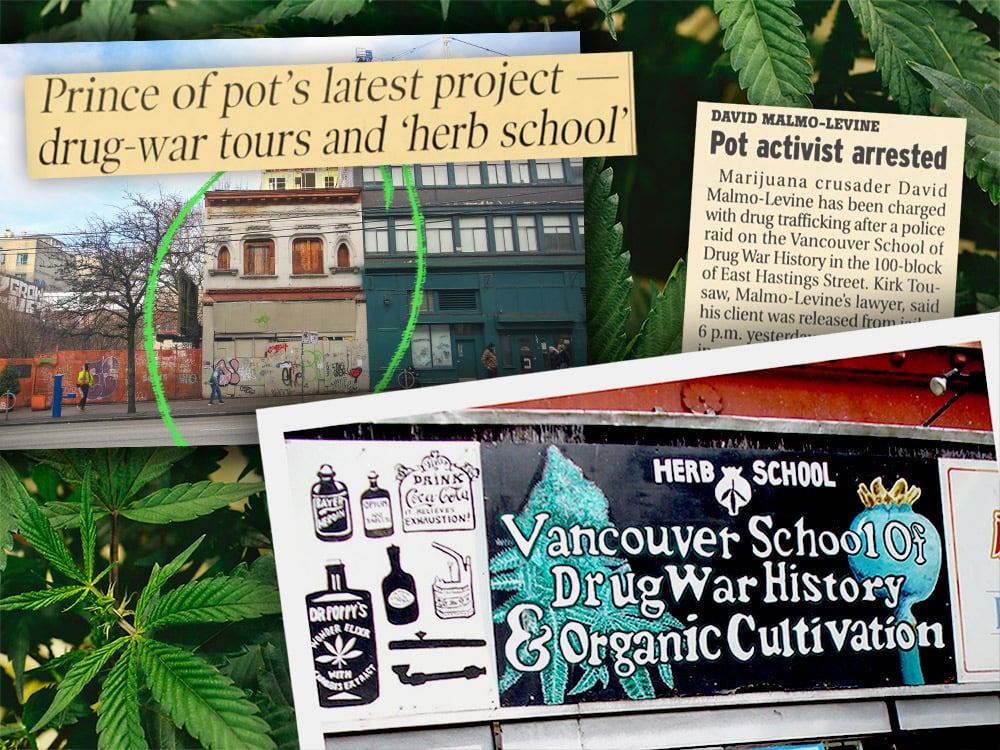
The Case of the Marijuana Museum
It’s been a store and a drug-dealing HQ, too. Now this unique art nouveau building is boarded up. By Jen St. Denis
Abandoned buildings are often a good starting point for a local history investigation, and it turned out that this little art deco gem in the Downtown Eastside had a colourful past — it was a site of activism to legalize cannabis in the early 2000s and is also remembered as a drug dealer’s HQ. Meanwhile, heritage advocates say the building should be preserved as a unique example of this type of architecture in a western Canadian city.
The Case of the Gurdwara, the Lumber Barons and the KKK
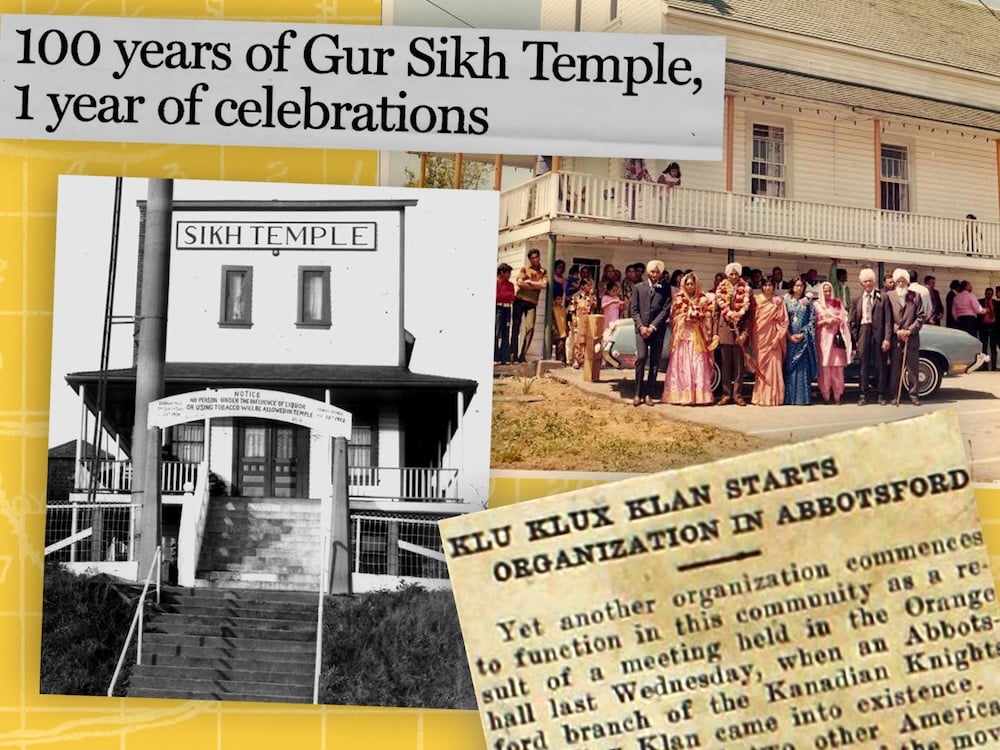
In Abbotsford, the first Sikh place of worship holds a complicated history. By Christopher Cheung
Gur Sikh Temple in Abbotsford is the oldest existing gurdwara in the Western Hemisphere, and its story reflects the history of Punjabi Sikhs in British Columbia. For decades, reporter Chris Cheung writes, the official narrative was that a prominent local family helped their Sikh workers build the gurdwara in 1911 by donating lumber. But that changed in 2020, when a darker side of the story emerged: one of the brothers in that family had been an enthusiastic member of the KKK.
The Case of the Skeena River’s Last Ferry
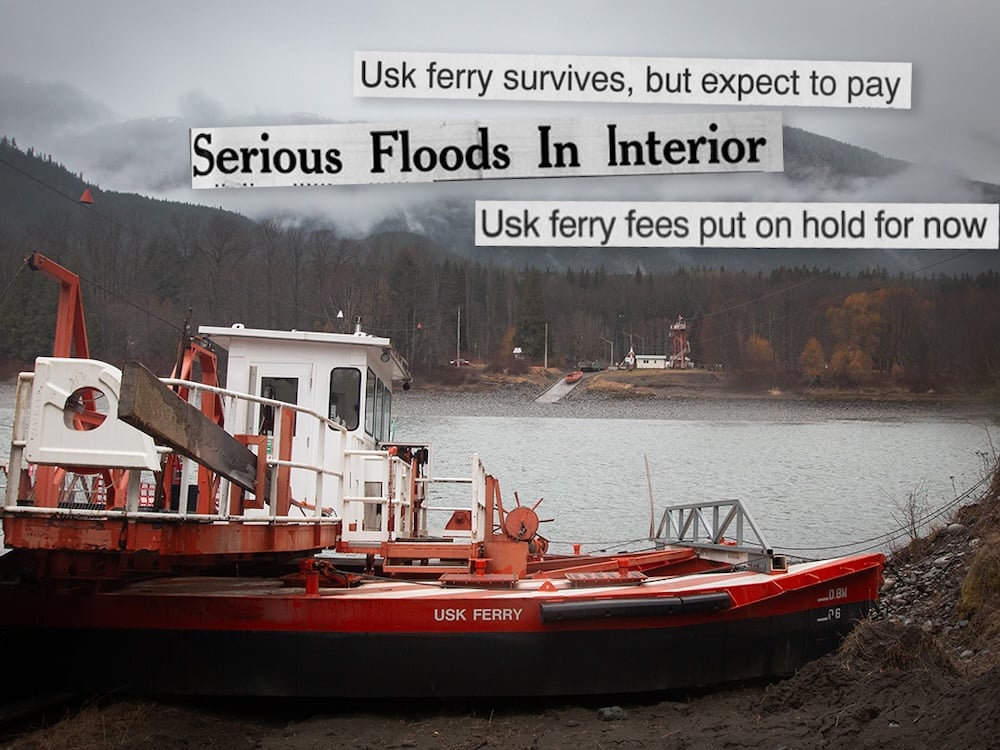
Manoeuvring the 40-foot vessel is about letting go and going with the flow, one former operator remembers. By Amanda Follett Hosgood
Sternwheelers once regularly plied the Skeena River, one of the wildest and most unpredictable rivers in B.C. Today one last ferry is still in operation — and includes a backup “aerial ferry,” which reporter Amanda Follett Hosgood describes as “dangling in a tin can” over the river. (As you’ll discover, all of Follett Hosgood’s Place Detective pieces involve some sort of adventure!) Follett Hosgood takes readers on a journey to the tiny northern B.C. community of Usk, which depends on the last ferry to ply this river. Residents and ferry operators share how they’ve learned to live with changing river conditions, which sometimes mean villagers are cut off from the outside world.
The Case of the Sunshine Coast Bus Stop Chairs
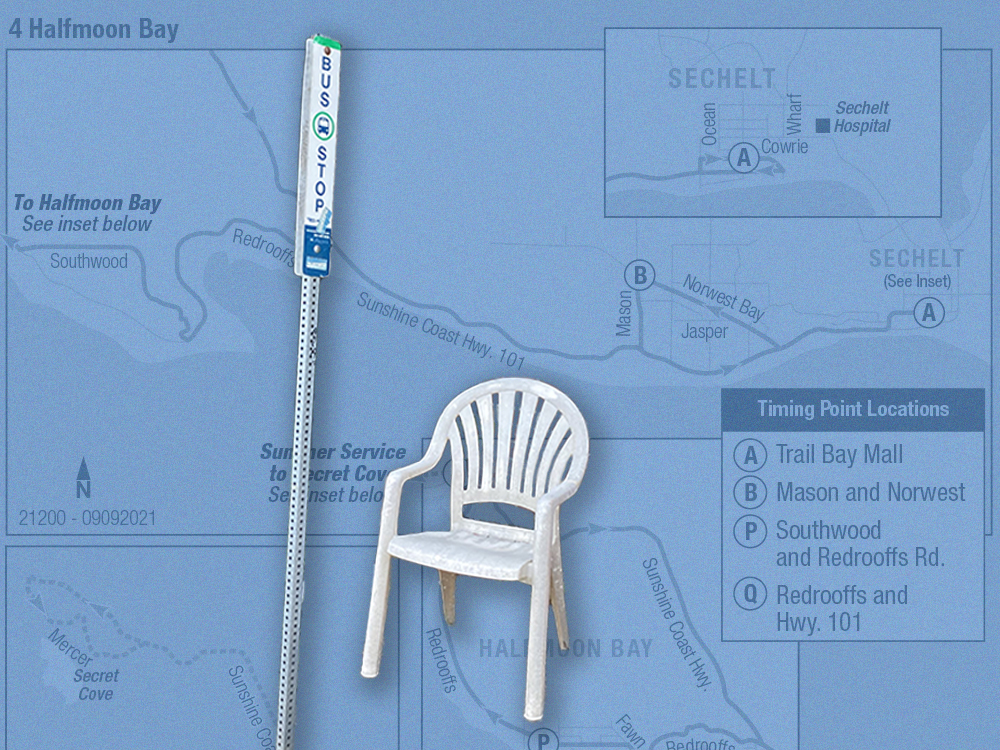
Take a seat! Up here, guerrilla infrastructure abounds. A Tyee photo essay. By andrea bennett
Senior editor andrea bennett gets around their home of Powell River and the surrounding towns by bus — an experience that led to them noticing the ways residents have supplied their own infrastructure to make waiting for public transit in a rural community more comfortable.
“Some are as simple as a weathered lawn chair on the side of the road. Others, more elaborate: a cob shelter, a homemade wooden bench affixed to a pole. Some feature other installations like a community message board or a little free library. Others have an old coffee can for collecting cigarette butts,” bennett writes in this whimsical piece.
At Vancouver’s Port, the Case of the Flying Angel
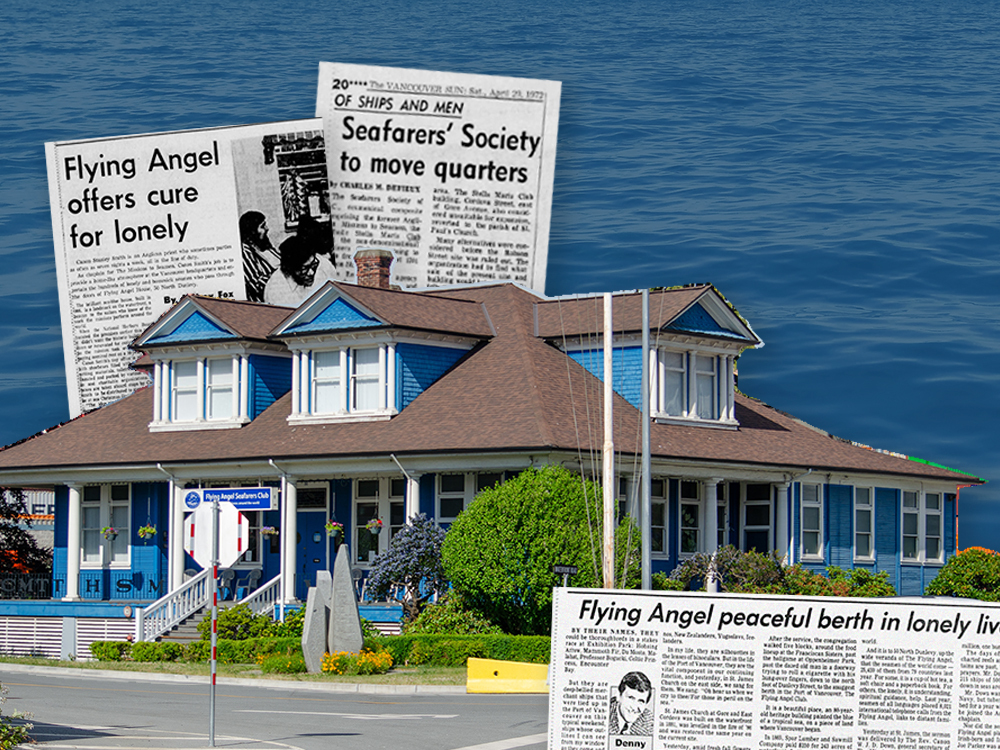
Today, this big blue house supports international sailors, but it was built to showcase BC’s forestry industry. By Isaac Phan Nay
If you’re walking around Vancouver’s touristy Gastown area, the Downtown Eastside or parts of East Vancouver, the city’s port terminals on Burrard Inlet are ever present. But they’re mysterious places, with access restricted to port and maritime workers. For over 50 years, labour reporter Isaac Phan Nay writes, a cosy blue-painted house has provided respite for the container ship workers who keep the global economy running. These citizens of India, the Philippines, Ukraine, China, Taiwan and many other countries need assistance navigating the city and sometimes with legal and labour issues — and the Mission to Seafarers is there to help.
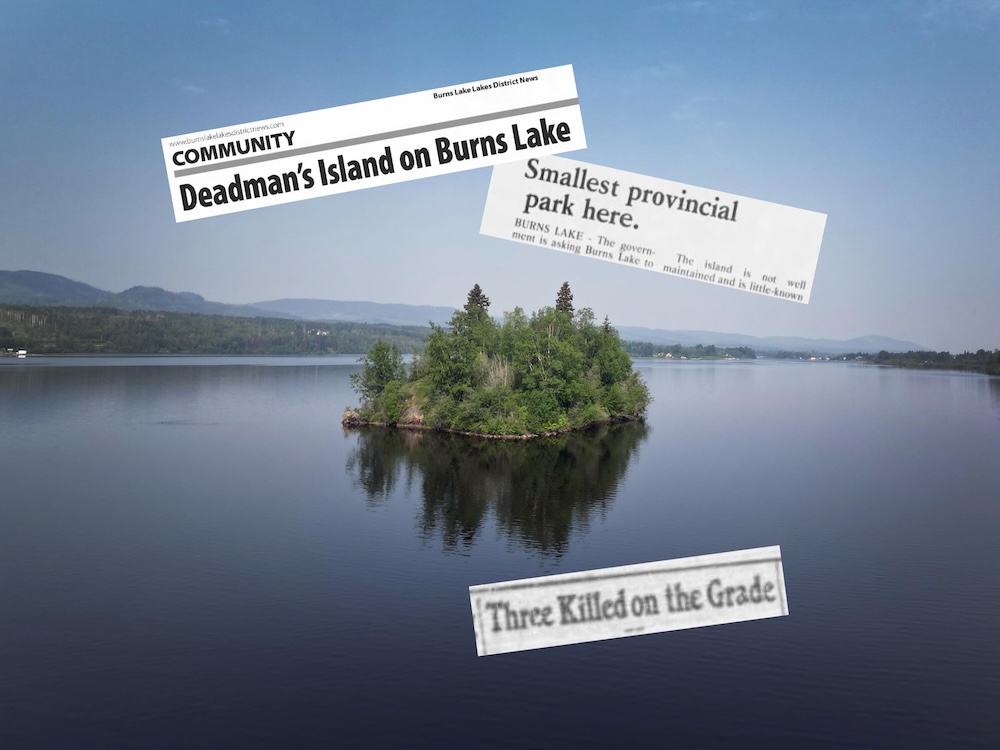
How BC’s Tiniest Provincial Park Got Its Name
Dead Man’s Island is linked to a deadly railway explosion. But how many died, and where they are buried, remains a mystery. By Amanda Follett Hosgood
Our northern B.C. reporter paddles to B.C.’s smallest park — and discovers a story about a fatal railway-building accident that led to the name Dead Man’s Island for a small island in the middle of a lake. But as she tries to nail down exactly what happened, Follett Hosgood unearths conflicting stories about deadly blasts and the details of who died.
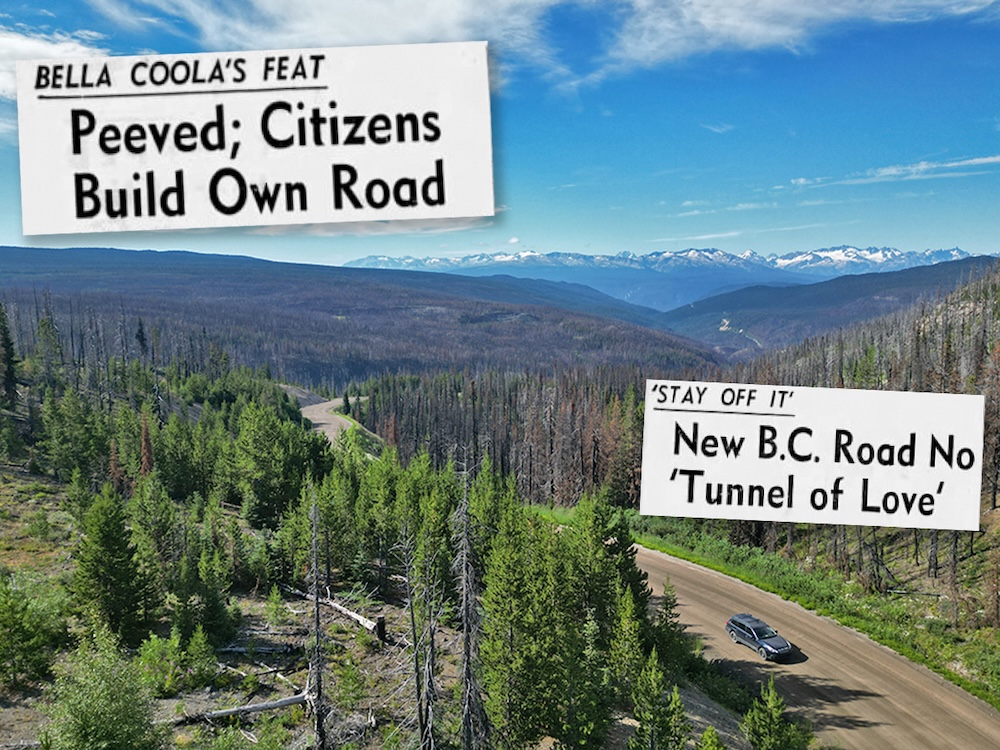
The Case of Bella Coola’s Heart Pounding Home-Built Highway
As the province spent millions on highway upgrades, residents were left to forge a road from a mountain pass. By Amanda Follett Hosgood
Overland travellers to Bella Coola on B.C.’s central coast often arrive shaking, covered in dust and vowing to never drive that road again. Follett Hosgood gets behind the wheel to provide a first-person account of what it’s like to drive a winding gravel road with incredibly steep sections that provides a vital connection to a remote community. Her story reveals the incredible lengths residents went to to build their own DIY road in the 1950s, and what it takes to keep the highway running today.
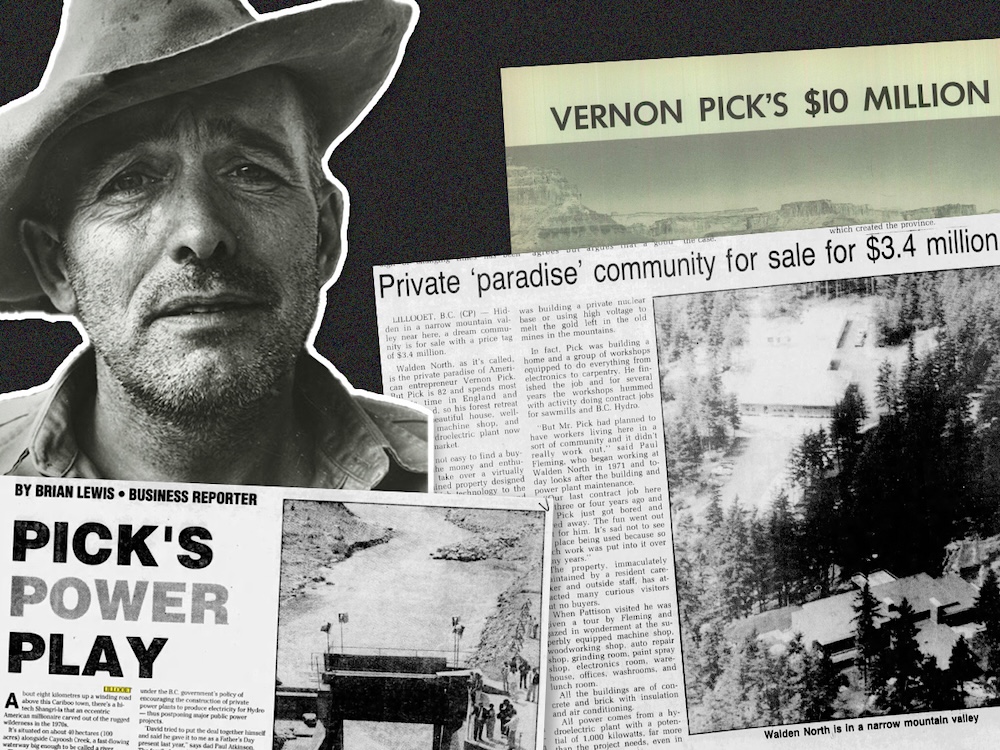
The Case of a Millionaire’s Doomsday Mansion
Vernon Pick was an American millionaire who left behind a unique property in Lillooet, BC. By Tyler Olsen
A long-abandoned mansion on a rural property outside of Lillooet provides a window into a fascinating personality. Vernon Pick was a self-taught inventor, engineer and prospector who got rich overnight in his late 40s when he discovered a huge uranium deposit in Utah. With dreams of creating a “Walden North” getaway, Pick built the unusual B.C. home in the 1970s. To get a full picture of who Pick really was, senior editor Tyler Olsen interviewed 91-year-old prospector George Vanderwolf, who got an inside look at Pick’s mountainside compound.
Happy holidays, readers. Our comment threads will be closed until Jan. 5 to give our moderators a much-deserved break. See you in 2026! ![[Tyee]](/design-article.thetyee.ca/ui/img/yellowblob.png)
Read more: Urban Planning