


 SHARE:
Looking at the array of films vying for awards this year, my first thought is, “What the heck?”
To be blunt, it’s been an odd year for cinema.
There is no clear and obvious breakout awards leader, no overarching theme to tie things together other than, not to put too fine a point on it, failure.
The movies of 2025 feature many variations on failing, from personal tragedies to catastrophic nuclear meltdowns.
But the overall sense I get from the many films I’ve watched this year was a capitulation to the forces of entropy, despair, dissolution, or worst of all, boredom.
While I was sitting through the wearisome length of the second installment of Wicked (the clunkily titled Wicked: For Good), I felt my brain wander away, looking for something more compelling, even if it meant staring at the ceiling or dreaming up titles for the porn version of the film, something along the lines of Wicked for Wood. The film’s titular lead Jonathan Bailey did remark that he largely resembled a large wheat penis in the film.
In the process of watching the year’s horny, corny crop of movies, my first thought at times was, ‘Did we forget how to make good movies?’
If you sat through A Minecraft Movie in a theatre, you’d probably be asking the same thing.
Everything feels a bit tired. The usual tropes have been trooped out, and new ideas were few and far between. Live-action remakes of perfectly serviceable animated films continued apace, cinema attendance continued to dwindle and even the heaviest of cinematic auteurs couldn’t seem to find the right tone.
For monsters and witches, disappointing returns
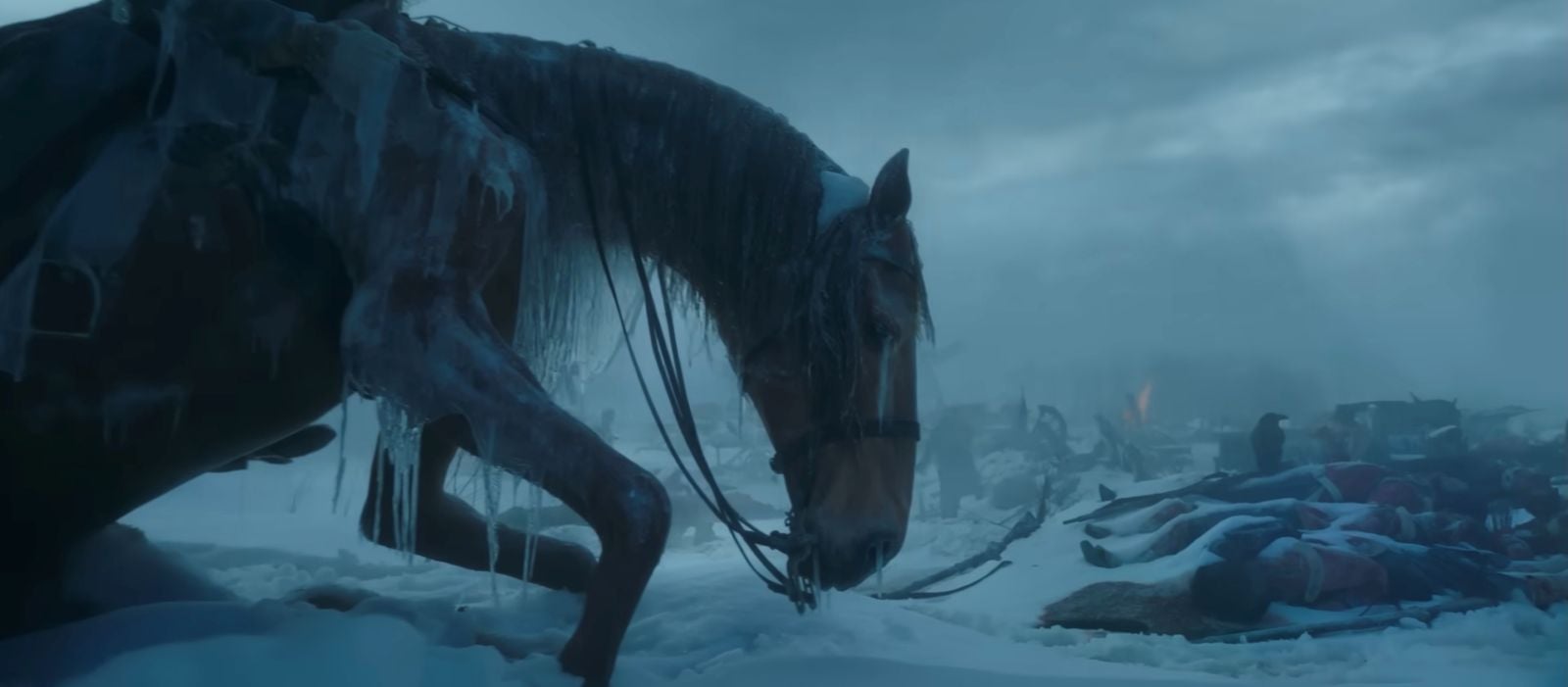
Guillermo del Toro’s long-awaited passion project Frankenstein arrived with a flourish. Art-directed to the back teeth, it was certainly handsome to look at, but the storytelling was turgid, bloated and laboured. There was seemingly no one to tell the director to pick up the pace and stop being so precious.
The pathos of the goth uberman-monster, played by the alarmingly handsome Jacob Elordi, was neither frightening enough nor sad enough to merit any sustained emotional reaction.
Mostly, he resembled a long-haired rock star whose experiments with plastic surgery had gone awry. The ending, with its pop-therapy coda of confronting, then forgiving the scientist who made him, was eye-rolling in its ham-fisted heaviness.
In short, Frankenstein was a long, dull slog of a movie with a dismal ending that limped off into the horizon.
“Well, at least that’s over with,” I thought. Onto the next over-extended vehicle.
Turned out that was Wicked: for Good. Goddamn it!

Under the hype, hollowness
The first lesson in film watching should be to never believe the publicity machine surrounding any production. For all the breathy hyperbole attached to certain films, I found the actual thing itself turned out to distinctly less than interesting on more than one occasion.
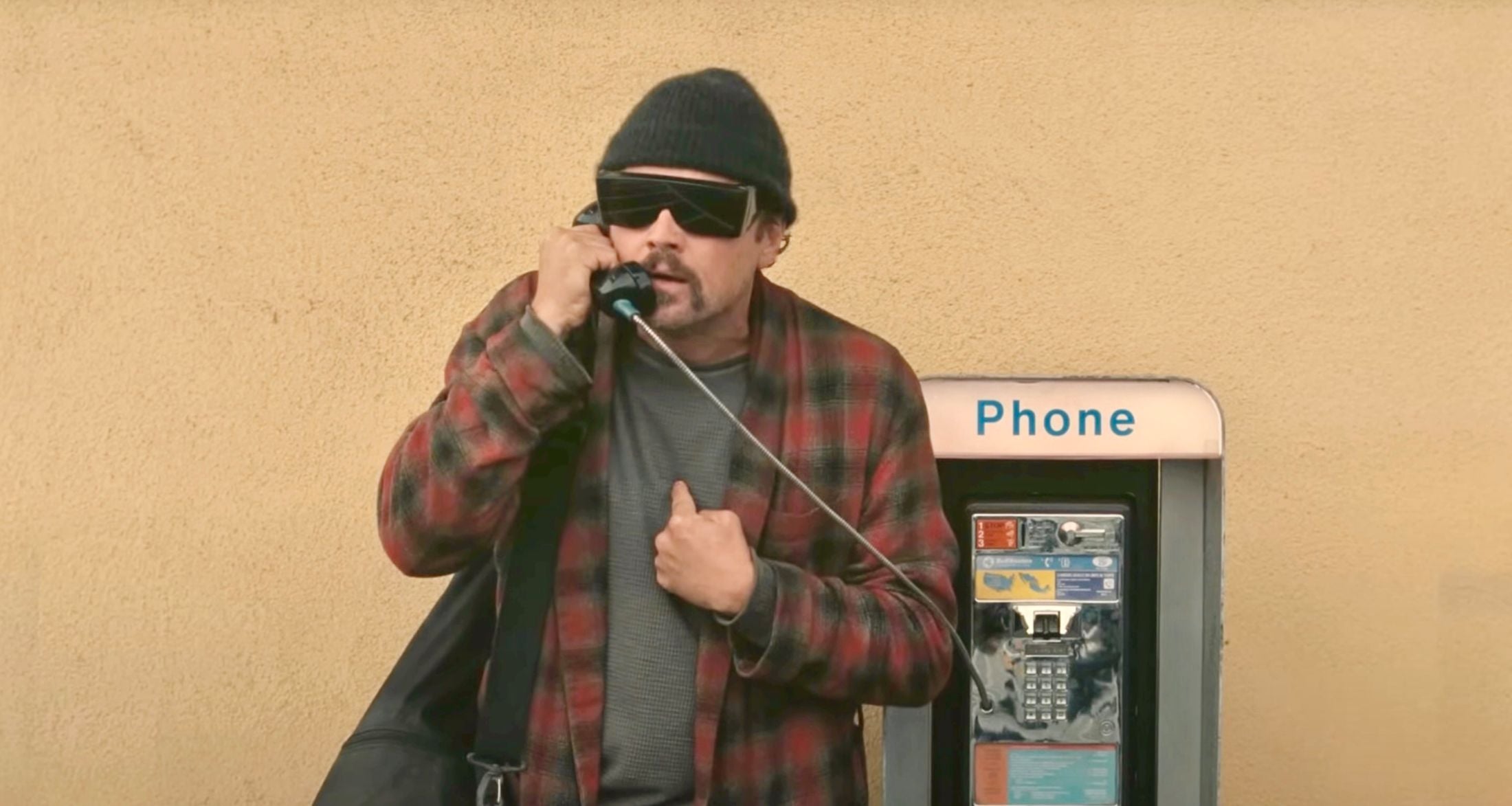
A case in point was Jay Kelly. George Clooney’s actor-in-crisis vehicle was as empty and hollow as its protagonist. I don’t know if I can be bothered to sum up the plot other than to say that Clooney playing himself is about as solipsistic as you can get.
Failing to be a better person is one thing, but failure on a society-wide level was also in play.
One of the most epic explorations of this, in three parts no less, was Kathryn Bigelow’s Armageddon countdown A House of Dynamite. The story explores what happens when a nuclear missile is discovered whilst wending its way towards Chicago. No one knows why or who launched said armament, but all attempts to forestall disaster end in failure.
Toggling between a three-chaptered retelling of the same events, the film built up an extraordinary level of tension, only to vanish like a giant sneeze that suddenly stops dead. The experience is one part relief to three parts echoing disappointment. No big bang for you, folks!
The film divided critical opinion, but for all its lack of resounding resolution, the thing that most endured was the notion that competent people still exist in the U.S. military.
The schism between fictive versions of America and actual reality grow stranger and more discombobulating every day.
Nowhere was this more apparent than in Nuremberg, a fictional recreation of the famous post-war trials.
I’m not sure American filmmakers should be allowed to make films about how U.S. forces bested the Nazis when a portion of the current American government embraces Nazi ideas with glee. But carrying on.
The film is packed with more sentimental blarney than a dozen Hallmark specials, but there are a few effective bits.
Main man Russell Crowe used the rumbling thunder of his voice and physical heft to portray German Nazi politician Hermann Göring with a queasy antediluvian charm.
Crowe’s natural magnetism worked a feat, but it couldn’t overcome the essential silliness of the other plot devices, like Ramy Malek as a weirdo psychiatrist or Michael Shannon being boring as prosecutor Robert H. Jackson.
Small victories in indie films
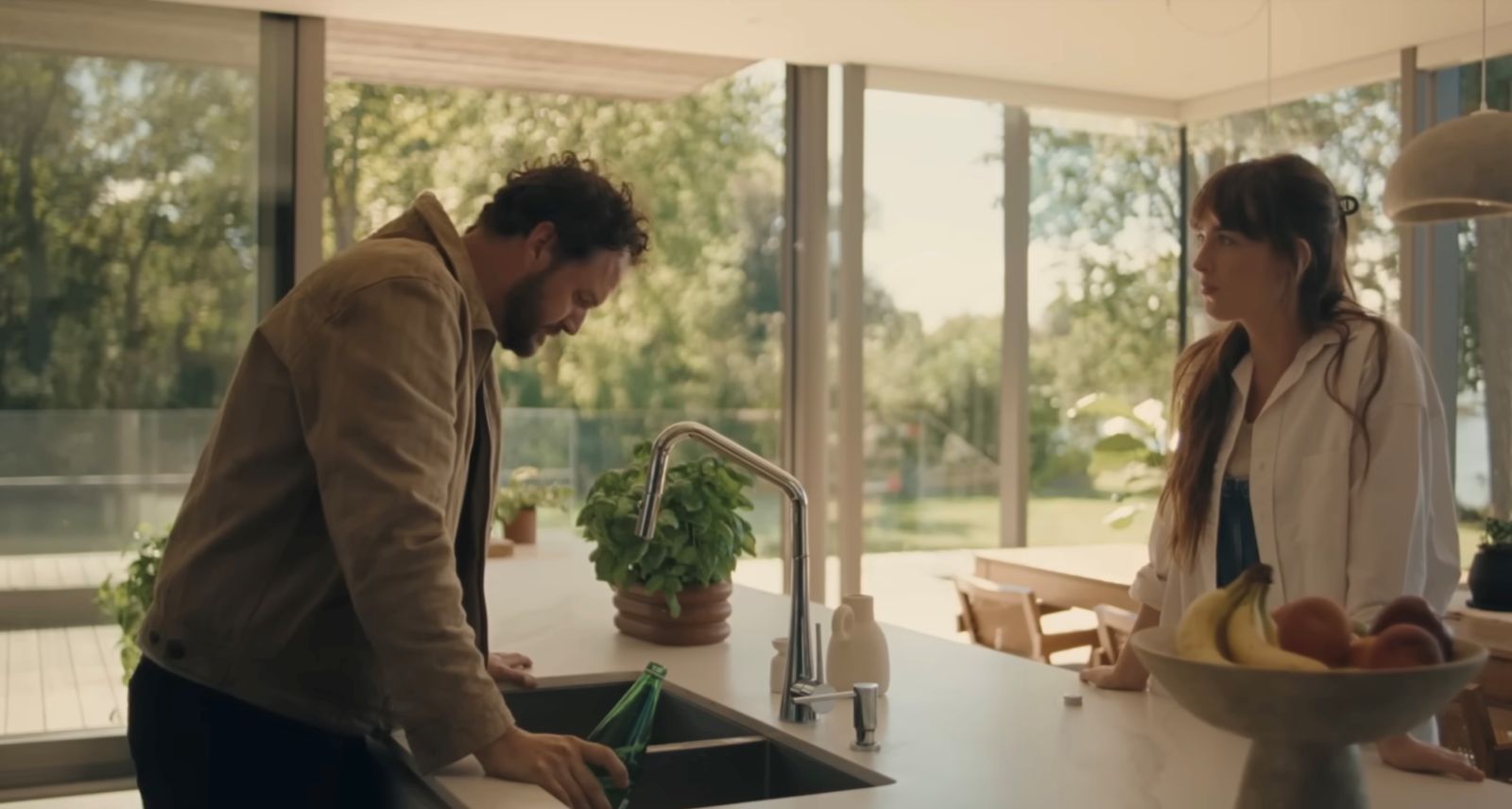
While big-ticket movies largely failed and flailed, there were plenty of smaller productions that didn’t always get the attention they deserved. Peter Hujar’s Day or The Ballad of Ellis Island come immediately to mind.
If I had to pick a term to refer to a great many cinematic offerings, it would be “minor” — either in a minor key, or diminutive in scope.
“Bummer” is another descriptor that applied to a bevy of feel-bad-films. Both Die My Love, and If I Had Legs I’d Kick You took as their narrative subject mothers descending into desperation and madness. Well-acted and intelligent, they were so damn depressing as to be unbearable. After a long day of watching the daily news cycle run through one horror after another, the idea of watching these films proved a sad bridge too far.
Even comedies couldn’t quit the bummer trend. Witness Splitsville, a comedy about two couples, each tangling with each other in all kinds of ways. Sex and violence are the most obvious of these, but there are other forms of manipulation going on, namely through money, prestige and class.
Ok, but it wasn’t all bad!
So, was there anything that was actually good in the world of movies this year? Yes, Virginia, there are still presents under the cinema tree.
The theatre world, strangely enough, supplied some giddy goodness, using the idea of failure as a springboard to dive deep into the human condition.
There was Blue Moon, the booze-over-Broadway rendition of the breakup of the musical duo Rogers and Hart. The origin story of Shakespeare’s most acclaimed play Hamlet in Hamnet, and Merrily We Roll Along, which had the street cred of being an actual filmed version of a Broadway musical.
All of this reminded me again why a play is a play and not a film. But leaving aside a few quibbles, there was some genuinely great stuff in Blue Moon, including Ethan Hawke’s epic combover.
Failure can be a source of true greatness.
Witness Paul Thomas Anderson’s One Battle After Another. The film follows the ongoing actions of a group of radical activists headed up by Bob Ferguson (Leonardo DiCaprio). Ferguson is a fuckup of major proportions, having pickled his brain with drugs and booze for the last few decades. When he is called upon to save the day, he does just about everything wrong. It is a glory to behold.
I watched the film with a friend on a Sunday afternoon at the Park Theatre in Vancouver. The place was almost full — unusual in this movie-going moment. When we emerged over two hours later, she let out a war whoop and said, “I’d forgotten what it’s like to actually see a good film.” The cinematic high lasted all through dinner and later when I was mulling it over on my own, I thought about what had made the experience so resonant.
Firstly, there is the movie theatre itself: huge, dark and filled with other folks all engaged with the story. There was also propulsive energy pulled from the headlines-type action and, most importantly, humour. But there was something else — a more fundamental aspect about the agonies of being human, in all its sweaty, desperate and emotionally overwrought roadrunner antics.
Battle also had what you could gently term a happy ending. Sure, the war goes on and on, but at least in this battle, the plucky underdogs and their pups live to fight another day.
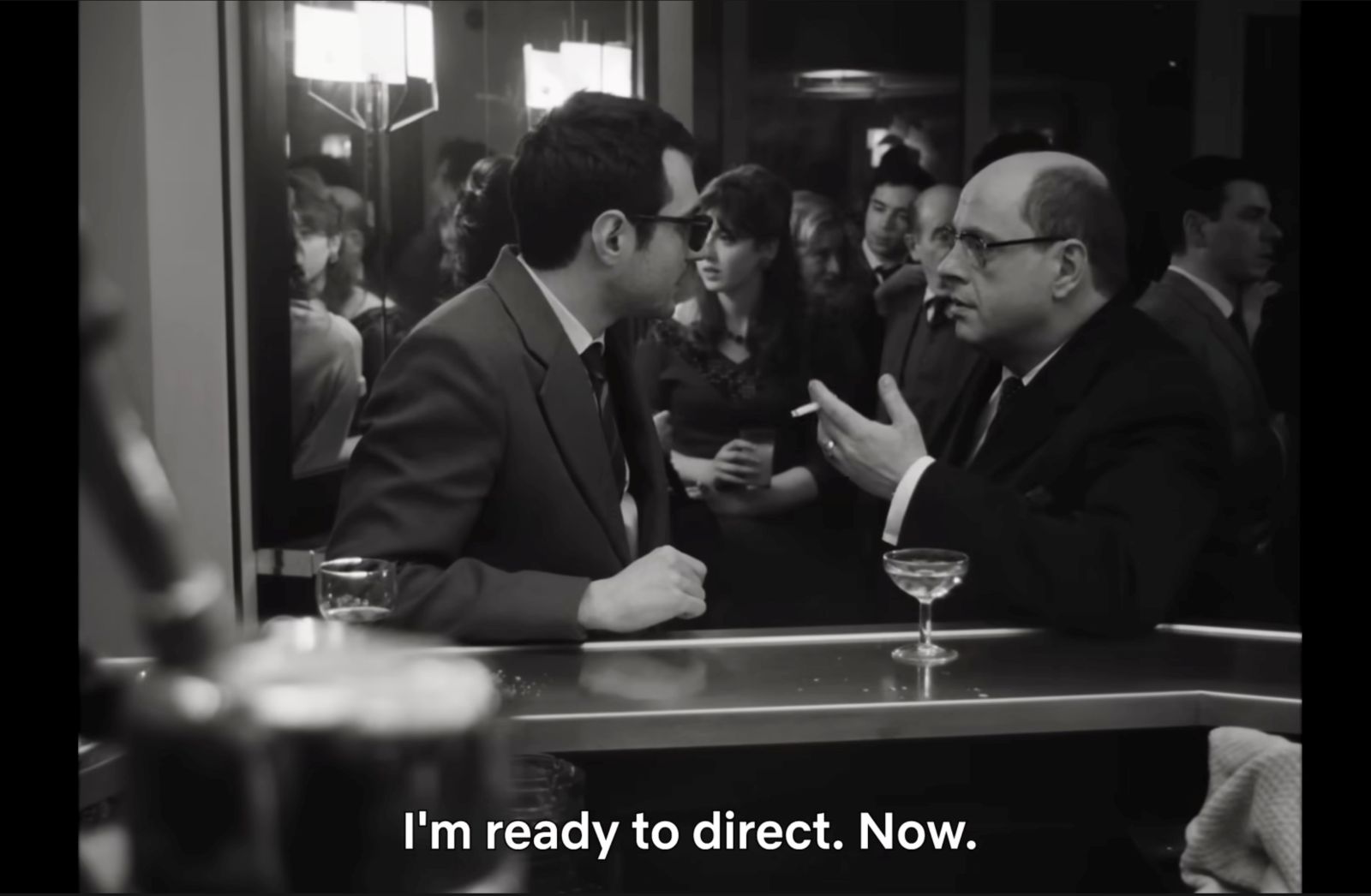
Since then, there have been more things to gladden the hearts of movie-goers. Richard Linklater’s Nouvelle Vague, about the making of Jean-Luc Godard’s Breathless, was pure joy.
I didn’t have any expectations of Marty Supreme, but holy Toledo! This film moves like it’s on fire. It is another Looney-Tunes-level look at winning and losing, but mostly losing. More on this in a future Weekender!
Maybe it’s foolish to look at movies for any greater indication of society at large, but the things that did break through had a ferocious dedication to ambition and a kind of courage to take aim at the stars and pop off like rocket ships. If one exploded in the process, at least you went out trying hard.
It feels as though we’re at an odd inflection point in human culture where the pendulum has swung out as far as it will go, and inevitably, things are about to turn.
What’s next? Maybe embracing failure in all its vicissitudes and thorniness is the answer.
As the late Irish playwright and poet Samuel Beckett once wrote in 1983’s Westward Ho, “Ever tried. Ever failed. No matter. Try again. Fail again. Fail better.” ![[Tyee]](/design-article.thetyee.ca/ui/img/yellowblob.png)
Read more: Film









Notice about commenting changes
The Tyee’s commenting system will be moving to a new platform on Nov. 12. If you’re already a Tyee commenter you must register with the new system on or after Nov. 12 with your preferred username.More information can be found here.