



 SHARE:
June is National Indigenous History Month in Canada. To mark the moment, B.C.-based public broadcaster Knowledge Network has curated a selection of 12 films and original series highlighting the richness and diversity of Indigenous experiences, histories and calls for justice. Eight of the projects feature stories about Indigenous communities across B.C.
“There are so many exceptional Indigenous filmmakers in Canada and so many stories still to be told,” said Knowledge Network president and CEO Michelle van Beusekom of the collection.
Van Beusekom says National Indigenous History Month is an opportunity to lean in and explore the experiences of Indigenous Peoples in B.C. and Canada through an ever-growing range of expertly crafted films, curated for curious minds.
The Knowledge Network collection spotlights important stories of cultural preservation while exploring Indigenous histories as living, breathing realities rather than static, monolithic narratives of the past.
Here are four standout films from the collection that feature inspiring stories of belonging, heritage and the power of communities standing together.
In ‘From the Land,’ love and tenderness
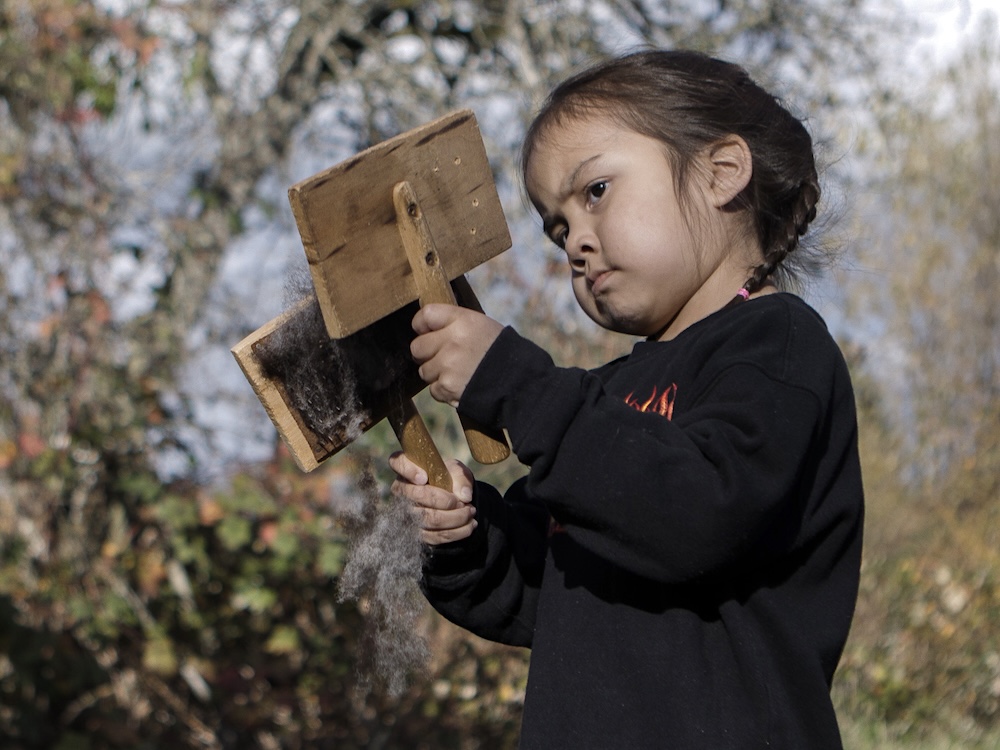
From the Land is a Knowledge Originals film that follows three Indigenous women across B.C. in their journeys to preserve intergenerational cultural traditions.
Renowned Cowichan knitter and knowledge holder Swutstisiye’ guides her grandchildren through working with wool — a tradition passed on to her by her own father. It’s a loving, joyful and tender process.
“The most important thing is [that] my great-grandbabies need to know [how] to work with wool,” she explains.
Swutstisiye’ prays that her kin will continue the tradition along, remember these rich traditions and move forward in their lives with a good heart.
The film also follows the journeys of Keisha Charnley, a registered midwife with a reverence for holistic birthing care rooted in Indigenous values, and Witchita Paull, who embarked on a journey of self-discovery after building a passion for basket weaving.
In ‘Treaty Road,’ an investigation of self
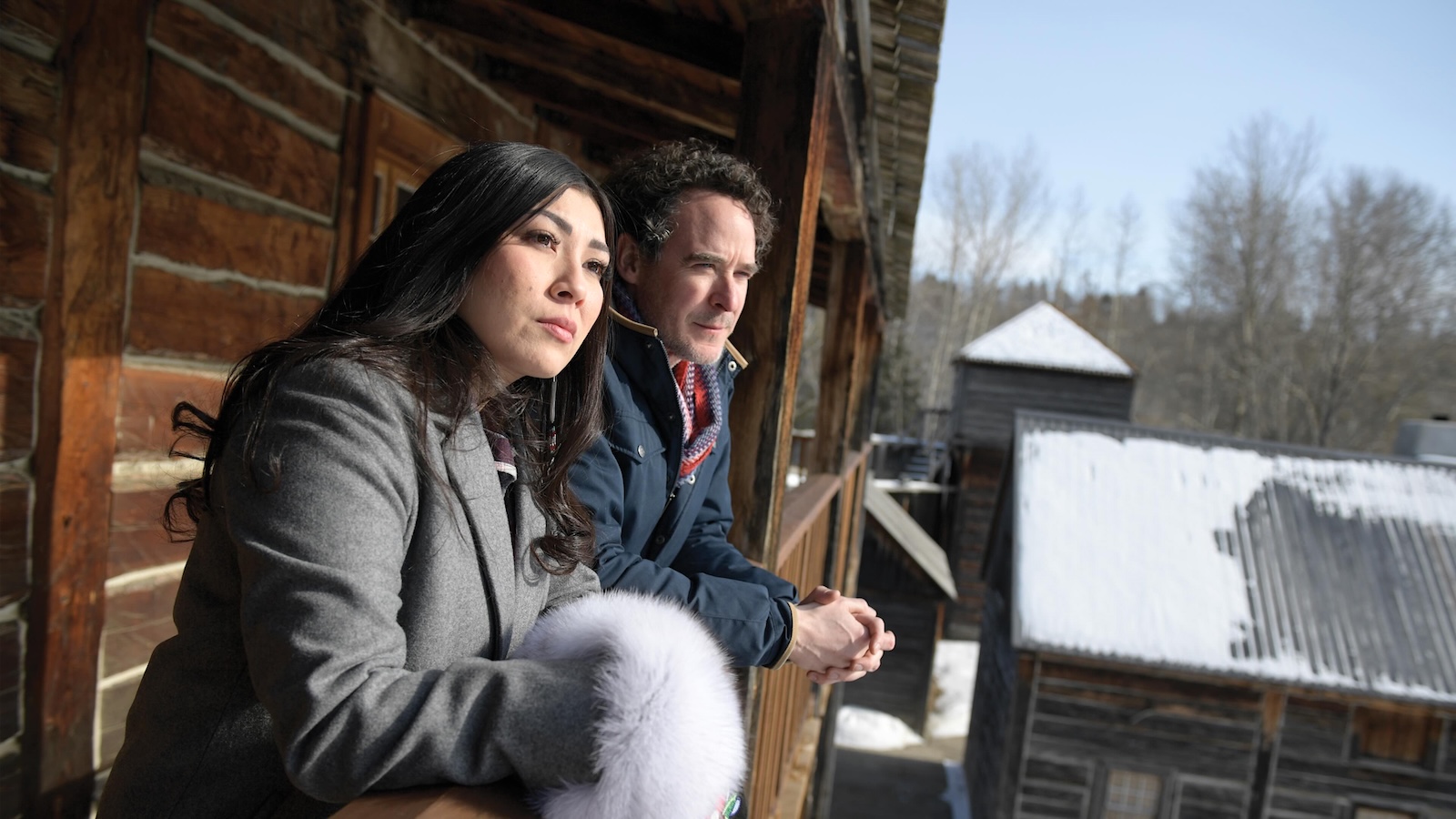
Treaty Road is a six-part series exploring the signing of Canada’s numbered treaties.
Métis writer and host Saxon de Cocq discovers that his ancestor James McKay was a commissioner on the first six numbered treaties to be signed between Crown expansionists and First Nations across Turtle Island.
Joining forces with multidisciplinary artist, educator and researcher Erin Goodpipe, de Cocq sets off to uncover the truth about how these treaties were brokered in the first place.
The show challenges the narrative that through these treaties, First Nations peoples willingly surrendered their land. While the current Canadian legal system is built upon this assumption, Treaty Road reveals the predatory and evasive tactics used by settlers. It traces the limits of the English language in translating the concept of land surrender to Indigenous communities, and how Indigenous people reckoned with the disruption and violence of settlers upon their ways of relating to one another and the land.
“It’s a privilege for those who benefit and don’t have to learn what [treaties] are,” Goodpipe says to Cocq in the first episode of the series.
Cocq and Goodpipe meet with Elders, knowledge keepers, oral historians, Indigenous rights advocates and more to gain a deeper understanding of the relational dynamics within Indigenous communities. Through this, they learn of their relationships with settlers that led to the violent mass land surrender the treaties authorized.
On the Swan Lake First Nation reserve, Elder Wayne Scott shares how, in order to understand the treaty, he had to be curious about his ancestors at the time, their worldviews and what conditions drove them.
In this way, an investigation of treaties becomes an investigation of selfhood, community and cultural values.
“I needed to understand my people, my ancestors who were at the negotiations,” Scott said.
“These people were living off the land... land meaning their very livelihood, their very source of life.”
In ‘So Surreal,’ a surprising journey
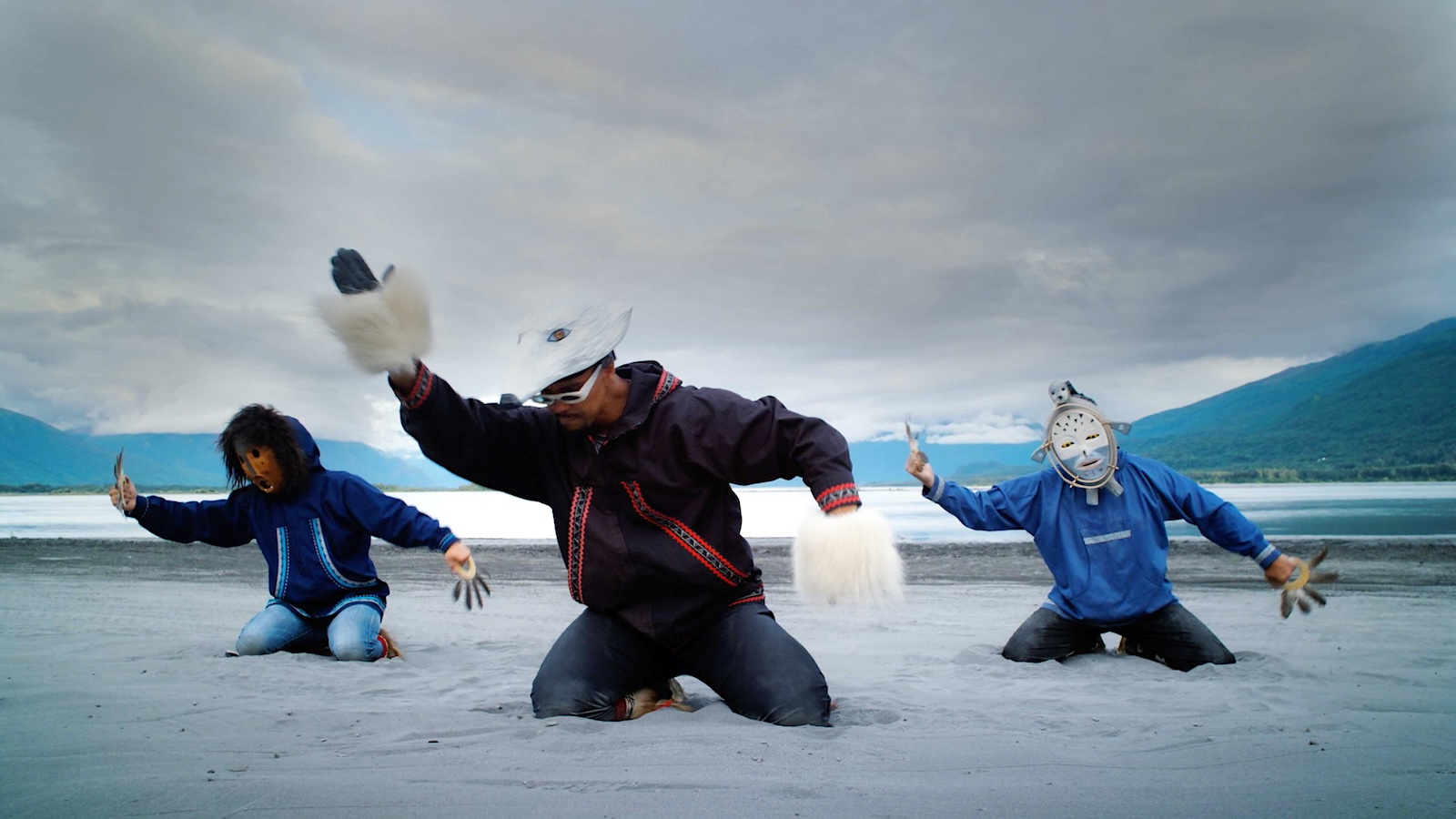
In another offering from the collection, Cree filmmaker Neil Diamond embarks on a journey of historical exploration as he connects the surprising journey of Yup’ik and Kwakwa̱ka̱ʼwakw Indigenous ceremonial masks to the French surrealist art movement.
So Surreal: Behind the Masks is a documentary that highlights the deep significance of masks in Indigenous communities as a bridge between the physical and spiritual realms.
“We were able to use [the masks] on our side like a prayer to ask for abundance, to ask for help from the spirit world,” Yup’ik carver John McIntyre explains. Masks are used to transcend into other worlds, to depict origin stories of culturally significant animals and to preserve history.
In efforts to erase Indigenous identity, Christian missionaries forbade Indigenous singing and dancing across Turtle Island, effectively banning precious Indigenous customs and ceremonies, and confiscating masks.
So Surreal delves into the history of how masks and cultural objects left their homes in Indigenous communities across Turtle Island through trade sale and theft by museums and European surrealist collectors.
Collaborating with cultural preservationists, art experts and advocates, So Surreal explores a fascinating realm of repatriation — the rightful return of Indigenous masks and cultural artifacts to their original home.
The commitment to caring for Indigenous masks and honouring their histories is deeply moving. In cases where repatriation does occur, masks are welcomed home through celebration and ceremony.
“It’s our mask and it’s always going to be tied to us,” says U’mista Cultural Centre executive director Juanita Johnson in the film.
“It’s like family coming home.”
In ‘Yintah,’ power in resistance
A searing portrait of land defence, Yintah is a window into the Wet’suwet’en people’s resistance against the construction of the Coastal GasLink pipeline through their territory.
“Get away from that gate. You don’t have consent to enter our territory. You are invaders,” declares a community member at the checkpoint into Wet’suwet’en territory when police begin to violently enter.
The feature documentary chronicles the fierce activism of community leaders such as Chief Howilhkat (Freda Huson) of the Wet’suwet’en First Nation and Sleydo’ (Molly Wickham), a Wing Chief of the Gidimt’en Clan of the Wet’suwet’en Nation, in the face of RCMP forces and Coastal GasLink employees who disregard the nation’s calls for peace in their land.
Integrating a combination of footage of land defence, traditional practices on the land and moments of powerful solidarity among several nations across B.C., Yintah is an incisive look at the power of Indigenous resistance. It examines the violent colonial legacy of the RCMP and the indivisible relationship between Wet’suwet’en people and their home.
“We do not own the land,” declares Dsta’hyl, a community leader who attends a Coastal GasLink community consultation to share the concerns of his people.
“We belong to the land.”
As a public broadcaster, Knowledge Network offers original, meaningful programming that informs audiences and supports B.C.’s independent filmmakers. Knowledge Network’s Indigenous History Month collection is publicly available to watch and stream online. ![[Tyee]](/design-article.thetyee.ca/ui/img/yellowblob.png)
Read more: Indigenous, Film
This article is part of a Tyee Presents initiative. Tyee Presents is the special sponsored content section within The Tyee where we highlight contests, events and other initiatives that are put on either by us or by our select partners. The Tyee does not and cannot vouch for or endorse products advertised on The Tyee. We choose our partners carefully and consciously, to fit with The Tyee’s reputation as B.C.’s Home for News, Culture and Solutions. Learn more about Tyee Presents.










Tyee Commenting Guidelines
Please note that email notifications for replies are not currently working due to a software issue which may be resolved in a future update.
Comments that violate guidelines risk being deleted, and violations may result in a temporary or permanent user ban. Maintain the spirit of good conversation to stay in the discussion and be patient with moderators. Comments are reviewed regularly but not in real time.
Do:
Do not: