


 SHARE:
The DOXA Documentary Film Festival is back in Vancouver this month, marking 25 years of celebrating innovative and independent documentaries from B.C., Canada and beyond.
The 2026 program includes a spotlight on South Korean films, international titles, shorts, the return of the experimental paraDOXA program stream and the cornerstone Justice Forum, which highlights pressing social issues to spark dialogue and action.
As in previous years, the festival will also feature a great many works by Canadian documentary filmmakers, including local stories that speak to both current and historical topics sure to resonate with British Columbian audiences.
Among these are two timely films about fishing communities in the Georgia Strait: In Tyee Country and Concrete Turned to Sand.
In both films, we are invited into the lives of different communities with deep ties to local ecosystems, where long-standing practices are now quite dramatically threatened by the ever-worsening impacts of climate change. We’ve heard the alarm bells ringing for years. Decades even. Now, in these films, we see the impacts have reached our front door.
A powerful sense of nuance and immediacy
“The sense of immediacy significantly influenced our selection process, leading us to include films that address urgent global and local challenges such as climate change as well as colonialism, wars and genocides,” DOXA artistic director Sarah Ouazzani told The Tyee.
That immediacy is even more powerful in how it’s presented. These unhurried films build their messages around much larger stories. We are left understanding — or feeling — the stakes, the history, the complexity.
“Perhaps it’s time to return to the essence of cinema,” says Ouazzani. “Unlike social media content, which is immediate, reactionary and ephemeral, cinema is produced over a long period, written with the benefit of hindsight and received over many years.”
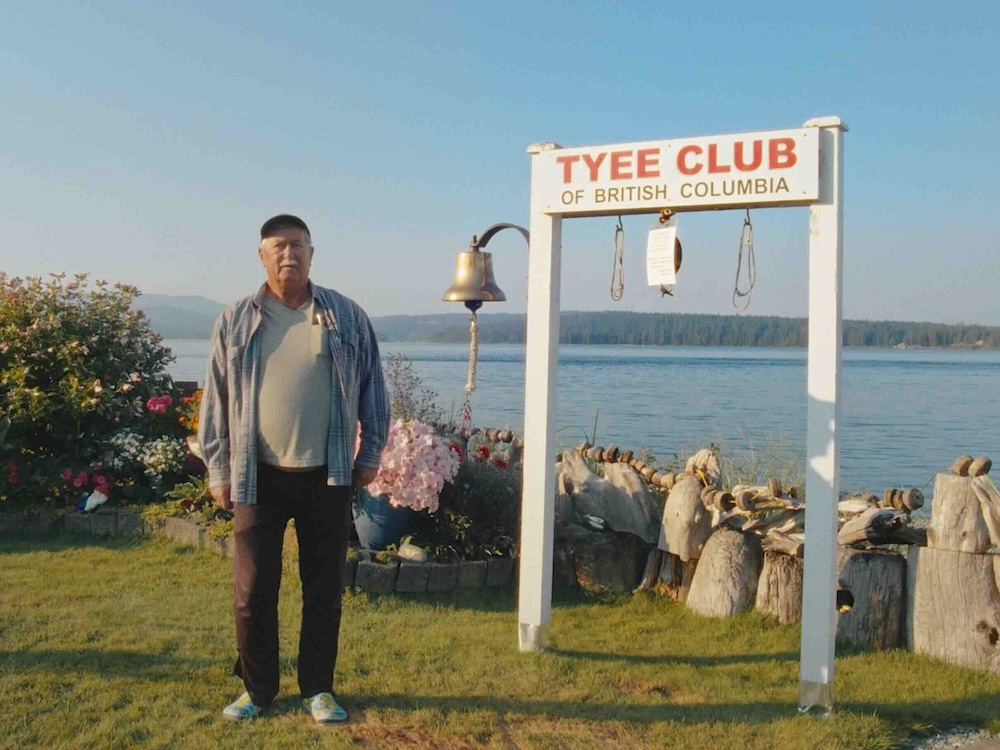
In Tyee Country, from directors Jevan Crittenden and Nate Slaco, offers a loving portrait of a salmon fishing club in Campbell River — the salmon capital of the world, we are told.
Each year, members compare their catch, weighing the chinook salmon they bring in, as they seek the biggest out there. But it’s a bit more exclusive than that. Membership comes at a cost. To join, an angler must bring in a 30-pound chinook, or a tyee. Members also adhere to a list of conditions. It’s rowboats only at the club (no motors), and everyone uses light tackle and barbless hooks, among other rules to keep things interesting.
What begins as a celebration of community and tradition quickly makes way for a stark reality. Members are catching fewer fish, and the fish keep getting smaller. The club is marking its centennial. Members are emotional, optimistic and appear to believe in what they’ve built. There are plenty of fish in the sea, as the old saying goes. But no one is in denial.
“Will it have another 100 years?” asks one member, rhetorically. “Not a fucking chance in hell.”
In remarkable depictions of daily life, uneasy truths
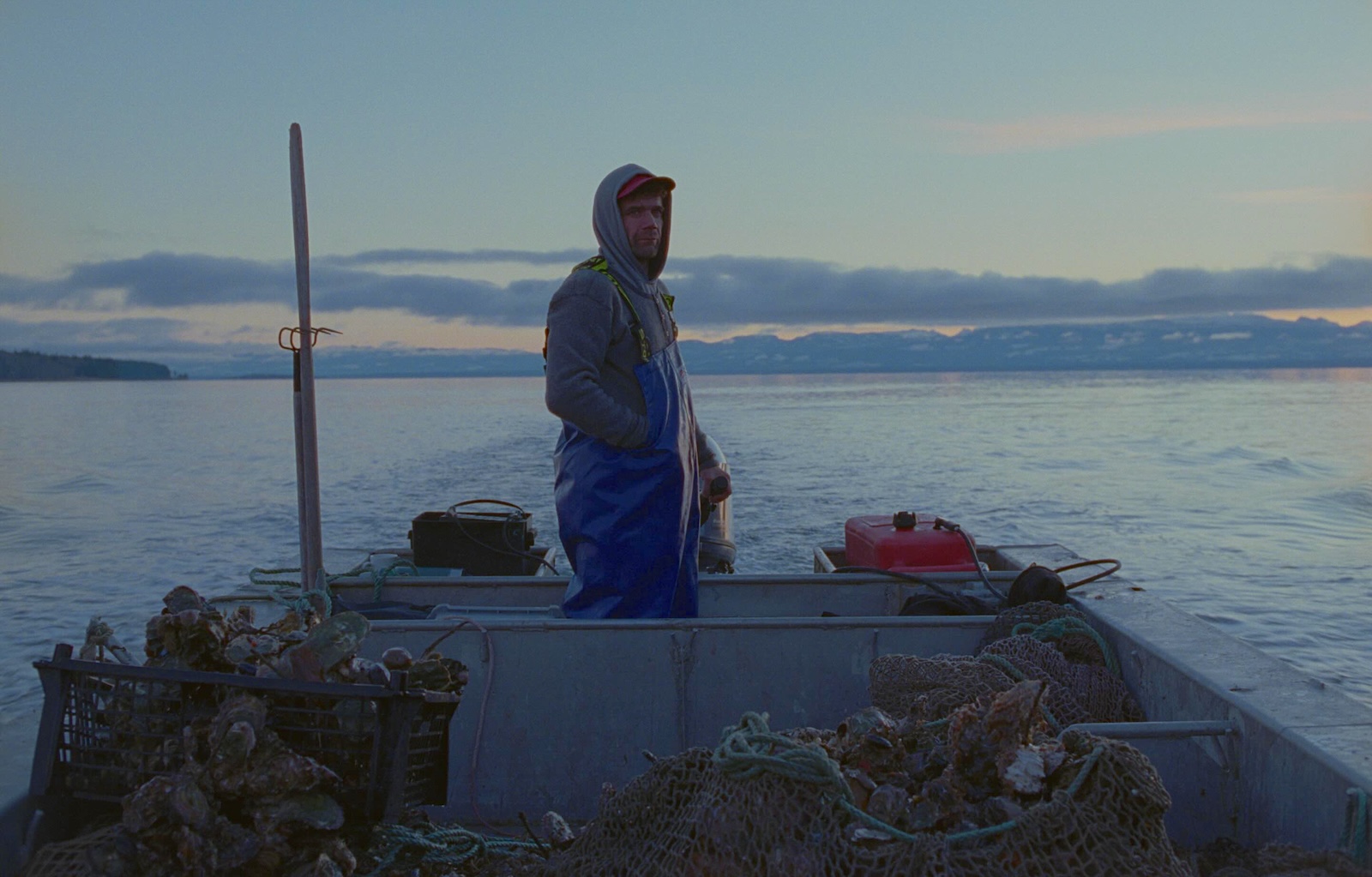
A changing climate similarly threatens the vital catch in Concrete Turned to Sand, from Jessica Johnson and Ryan Ermacora. On Cortes Island, oyster farmers face an increasingly harsh seascape as corrosive conditions threaten the entire Strait of Georgia.
Testimonials from farmers are supplemented with long shots of an oyster harvest at dawn and stunning waterways.
Underwater photography feels almost like natural ASMR: sounds of wind, bubbling and water flowing have a soothing effect, often accompanied by unseen motors and human activities above. It’s a beautiful approach, at once meditative and threatening. The mechanical whirring feels perfectly in keeping with the rhythms of nature, but it also points to the uneasy relationship between industry and the natural world.
While tonally very different from one another, In Tyee Country and Concrete Turned to Sand focus on the communities invested in their work on the water. More specifically, though, the two films stress the direct impacts of climate change on the daily lives of real people.
The sense of immediacy in these films is quite moving, showing us the stakes of a changing world on the people most affected. They point not to an abstract future threat but to the costs of inaction for those forced to pay up now.
“This year's program combines urgent social and environmental themes with local storytelling and a global perspective, encouraging viewers to reflect on calls to action and the legacies we leave behind — making it both thought-provoking and action-inspiring,” says Ouazzani.
In both documentaries, the elephant in the room is the ancestral, unceded land on which this is all taking place. In Tyee Country tackles this question head-on. The changing traditions of the Tyee Club are set against ongoing reconciliation efforts on contested territory.
The festival program includes several titles pondering questions of Indigenous sovereignty. “Local films like təm kʷaθ nan (Namesake) highlight ongoing colonial violence, showing how giving new names to waters and lands already named is a colonial method of erasure,” Ouazzani explains.
“This violence persists today, especially when new names memorialize colonial architects.”
Reframing history
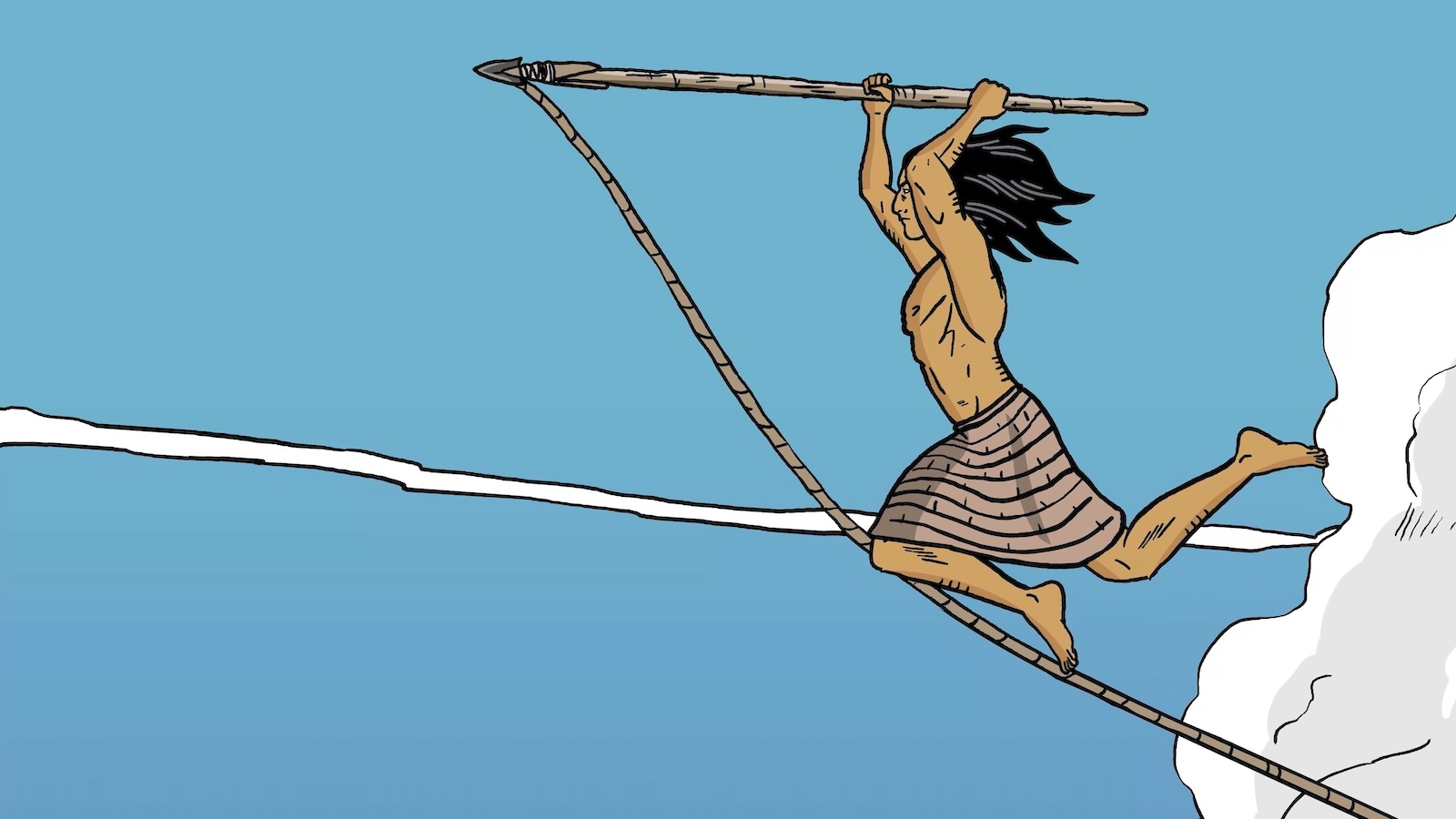
In Illustrated Legacies: Graveyard of the Pacific, Cree-Métis filmmaker Tanner Zurkoski reclaims history itself, revisiting moments of colonial tension since European contact in the 1700s along the west coast.
Relying on oral traditions, and combining documentary form with animation, Zurkoski reframes mainstream narratives away from disruptions to colonial trade to look instead at the vibrant lives and cultures of the original stewards of the lands and ocean before colonialism imposed itself upon them. Through this lens, we see history reframed, complicated and contextualized.
Racist histories are replaced by the voices of the Indigenous Peoples along the coast, echoed in the stories passed down through centuries.
Social and political impact are nothing new at DOXA, of course. That includes titles across the entire program, including those dealing with environmental challenges and reconciliation. The DOXA Justice Forum offers an exciting slate of films tackling some of the defining challenges of our times, including the rise of artificial intelligence, the future of Gaza and more.
In The Sandbox, director Kenya-Jade Pinto explores the rise of surveillance and how a complex web of social control has become enmeshed in our lives. In Saigon Story: Two Shootings in the Forest Kingdom, Academy Award nominee Kim Nguyen takes Eddie Adams’ haunting, iconic Vietnam War photo Saigon Execution as a starting point to explore two family histories, and how a single image can change public perception for generations.
A fitting homage and critique of the power of documentation itself.
DOXA Documentary Film Festival runs April 30 to May 10 across various venues in Vancouver. The 2026 program is now in print and online. Tickets are available for purchase online or at any of DOXA’s festival venues. ![[Tyee]](/design-article.thetyee.ca/ui/img/yellowblob.png)
Read more: Film
This article is part of a Tyee Presents initiative. Tyee Presents is the special sponsored content section within The Tyee where we highlight contests, events and other initiatives that are put on either by us or by our select partners. The Tyee does not and cannot vouch for or endorse products advertised on The Tyee. We choose our partners carefully and consciously, to fit with The Tyee’s reputation as B.C.’s Home for News, Culture and Solutions. Learn more about Tyee Presents.






Tyee Commenting Guidelines
Please note that email notifications for replies are not currently working due to a software issue which may be resolved in a future update.
Comments that violate guidelines risk being deleted, and violations may result in a temporary or permanent user ban. Maintain the spirit of good conversation to stay in the discussion and be patient with moderators. Comments are reviewed regularly but not in real time.
Do:
Do not: