


 SHARE:
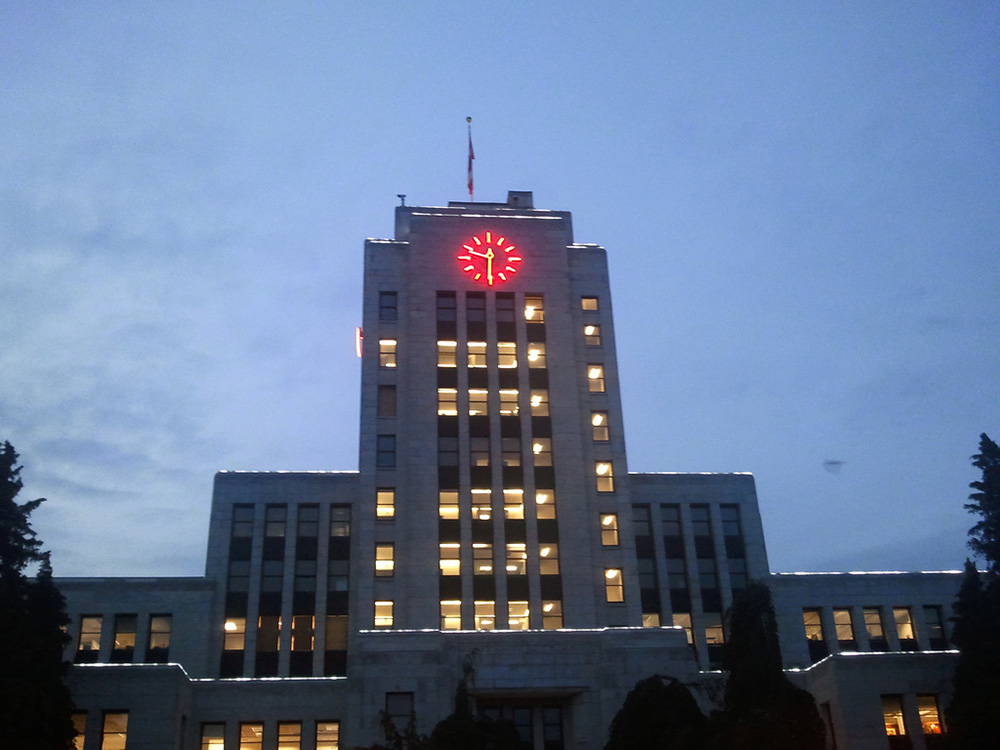
Vancouver’s council faces a momentous decision on Tuesday when it weighs in on scores of planning changes embedded in the citywide transit-oriented area rezoning report. If passed, the plan pre-zones vast tracts of the city for market-favoured building types.
Gone will be neighbourhood input.
Repealed will be design and planning guidelines embedded in scores of neighbourhood plans.
Now speculators will be further incentivized to replace affordable walk-up housing with necessarily more expensive housing stock.
The report stakes its claim on a seductive but flawed premise: that streamlining zoning through city-initiated rezoning and standardized district schedules will unleash a torrent of housing supply sufficient to tame the city’s runaway affordability crisis. By shaving 12 to 15 months off rezoning timelines, the city seems to assume, developers will reap cost savings that — through some alchemy of market logic — will translate into homes ordinary Vancouverites can afford.
This is a familiar refrain, one we’ve heard for decades, and it remains unconvincing. The report’s central (yet muted) assumption — that more supply equals more affordability — lacks empirical grounding, ignores Vancouver’s unique market distortions, and risks doubling down on a developer-centric approach that has yet to deliver for the service worker households who make this city run.
Supply alone won’t deliver affordability
The report’s fatal flaw lies in its blind faith that increasing housing supply through streamlined rezoning will magically lower costs. This is a tired orthodoxy, unsupported by evidence in high-demand cities like Vancouver.
Vancouver’s own history bears this out. Decades of condo tower approvals and a tripling of housing units added within city limits (a feat no other North American centre city has matched) have done little to ease the burden on low-, middle- and even upper-middle-income households, with median home prices still hovering at 12 times median household income, higher than any other centre city in North America.
The report offers no data to counter this trend, no analysis of Vancouver’s land price inflation, no reckoning with the global capital flows that treat our city as a safe deposit box for wealth. Instead, it leans on the shaky crutch of trickle-down housing economics, assuming developer savings will somehow, someday, translate into lower rents or purchase prices.
We’ve seen this movie before, and it doesn’t end well.
Worse, the report is nearly mute on the price of housing this strategy will produce.
Will streamlined rezoning unleash a tidal wave of unaffordable market-rate condos and high rent streams for the investor class, or will it deliver homes that teachers, nurses and baristas might afford? The plan calls for 20 per cent of new units to be “below market rate.” Good. But at that price they will still be too expensive for median-income households. The other 80 per cent will be unaffordable by definition, guaranteeing that four out of five units will be unaffordable to many upper-middle-income households.
The strategy would need to set much higher mandates for affordable units — say, 50 per cent of new developments reserved for permanently affordable rentals or shared equity ownership — in order to avoid exacerbating the very crisis we all want to address. The absence of such requirements betrays a deeper flaw: a failure to grapple with the structural forces driving Vancouver’s housing market into the stratosphere.
The report’s myopic focus on rezoning and approvals sidesteps the broader policy tool kit needed to tackle affordability.
It’s silent on curbing speculative demand — no mention of escalating vacancy taxes, cracking down on short-term rentals or restricting foreign ownership.
It is too timid to mention the transformative potential of “land lift” taxes, which could capture the unearned value spikes from rezoning to fund non-market housing.
And it sidesteps the urgent need for direct investment in non-market housing models that have proven effective in cities like Vienna but remain underutilized here.
It could be argued that a rezoning document is no place to impose social policy. That might be fair if the document did not instead read like a love letter to developers, promising them speed and savings while offering no guarantees for the public good.
A better path: Affordability by policy design
To salvage this strategy, the city planning department must pivot from wishful thinking to bold, evidence-based civic action. Here’s how:
Ground it in data. Commission rigorous studies to test whether supply increases have ever lowered costs in Vancouver’s speculative market. Stop assuming; start proving.
Mandate affordability. Require at least 50 per cent of new units to be permanently affordable, secured through inclusionary zoning or density bonusing tied to permanently affordable rents (to stabilize land price residuals).
Tame speculation. Implement aggressive “land lift” taxes to capture rezoning windfalls, redirecting funds to non-market housing.
Rethink typologies. Prioritize gentle density — think traditional urban “party wall” buildings on 33- or 66-foot lots — that do not require costly parcel assembly or displace existing communities.
Invest in non-market housing. Commit to stronger incentive policies to stimulate co-operative and social housing, ensuring a stock of homes immune to market pressures in perpetuity.
Vancouver’s citywide transit-oriented area rezoning strategy, as it stands, is a well-meaning but flawed exercise in supply-side optimism. By pinning its hopes on developer efficiencies without addressing speculation, land costs or the real need for non-market housing, it risks delivering more of the same: gleaming towers for the few, crumbs for the many.
The city has a chance to redefine affordability — not as a market byproduct but as a civic priority, built through deliberate policy and grounded in evidence. Until it does, this plan will remain a mirage, promising relief while leaving Vancouver’s dumpster-fire housing crisis to perpetually burn. ![[Tyee]](/design-article.thetyee.ca/ui/img/yellowblob.png)
Read more: Housing, Municipal Politics, Urban Planning









Tyee Commenting Guidelines
Please note that email notifications for replies are not currently working due to a software issue which may be resolved in a future update.
Comments that violate guidelines risk being deleted, and violations may result in a temporary or permanent user ban. Maintain the spirit of good conversation to stay in the discussion and be patient with moderators. Comments are reviewed regularly but not in real time.
Do:
Do not: