



 SHARE:
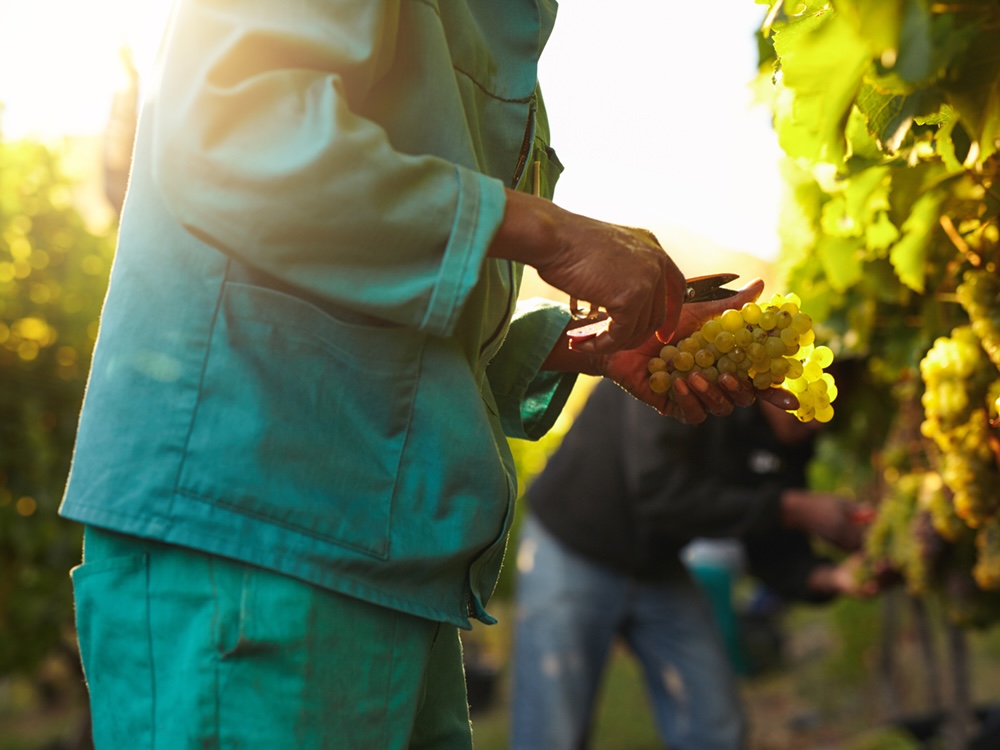
On a scorching day in July 2004, a farmworker named Asunción Valdivia fell unconscious after picking grapes in the heat for 10 hours straight. Instead of calling an ambulance to rush Valdivia to the hospital, his employer asked Valdivia’s son to take him home. He died on the way there.
This preventable death happened in California, but it could have easily happened in British Columbia. Here, too, farmworkers work long hours in the blistering heat harvesting grapes, cherries and tomatoes. Extreme heat can also make crops ripen more quickly, leading employers to pressure workers to harvest more quickly and take fewer breaks, all at the expense of their well-being.
Valdivia’s name has once again been in the news as U.S. senators, representatives and labour organizations try to advance an enforceable federal law to protect workers from heat stress. The proposed legislation — the Asunción Valdivia Heat Illness, Injury, and Fatality Prevention Act — is part of a broader fight to protect workers from the brutal health risks of extreme heat on the job, including here in B.C.
When advocates argue that the workers who grow our food need fairer wages and healthier working conditions, we’re often told such changes are politically unfeasible because they put economic pressure on farmers and would raise grocery bills for consumers. Already, too many people in Canada are feeling a pinch at the grocery counter. Climate extremes like heat, drought and flooding are expected to lead to more food price spikes.
But treating farmworkers with basic dignity, such as ensuring they can take water breaks to cool off during a heat wave, could actually stabilize Canada’s food security.
Many factors have contributed to sticker shock for Canadian consumers in recent months. Among these are the U.S.-Canada trade war and what researchers have dubbed “corporate grocery greed” at stores like Loblaws. Food supply shortages are also part of the problem. U.S. President Donald Trump’s cruel political theatre of deporting undocumented immigrants has reportedly left farmers unable to hire farmworkers, with crops rotting in the fields.
Climate disasters have also wreaked havoc on food production. For example, flooding in B.C.’s Fraser Valley in 2021 led to an estimated 60,000 hectares of farmland being lost.
On the global stage, worsening droughts in cocoa-producing countries like Ghana have contributed to the price of cocoa rising as much as 400 per cent in recent years.
But our latest research points to a less direct looming threat from climate change: the impact of extreme heat on agricultural workers.
Exposure to hotter temperatures, especially when combined with humidity, can force outdoor workers to slow down and take more breaks. In a job that is already physically arduous, heat stress can put tremendous pressure on farmworkers’ hearts and kidneys. In the United States, workers in agriculture are 35 times more likely to die of heat-related illness than workers in most other industries. By mid-century, they could face twice as many dangerously hot days on the job.
From an economic perspective, failing to address the burden of rising temperatures on farmworkers could lead to significant losses in productivity. When the mercury hits 38 C, workers in physically demanding jobs like agriculture can become 90 per cent less productive.
In short: extreme heat is uniquely dangerous for farmworkers, and their well-being is deeply tied to global food security.
Our research found major gaps in extreme-heat protections for agricultural workers across Canada and the United States, particularly in hot regions like Ontario and the U.S. South.
Weak, patchy laws to protect agricultural workers from extreme heat are a reflection of the archaic labour laws that farmworkers face more broadly. For example, in hot, humid jurisdictions such as North Carolina, children as young as 10 may be legally hired as farmworkers. In one U.S. study, almost half of the farmworker children reported experiencing at least one symptom of heat-related illness. When farmworkers — including children — lack collective power in the workplace, it’s difficult for them to take precautions in the heat.
How effective are B.C. laws at protecting workers from extreme heat?
When temperatures rise, B.C. has regulations that are supposed to kick in to protect all workers.
Rules about “thermal exposure” fall under B.C.’s Occupational Health and Safety Regulation, which is part of the Workers Compensation Act. Though not a silver bullet, these regulations can help prevent heat-related illness. They include emergency response procedures as well as requirements for bosses to provide cool drinking water and more breaks when workers get too hot.
But our research finds that the B.C. regulations, which haven’t been updated since 2005, have a few important shortcomings.
For the heat regulations to kick in, a convoluted series of three conditions need to be met: if a worker may be exposed to conditions that could cause heat stress; if conditions could result in a worker’s body temperature exceeding 38 C; or if conditions exceed levels laid out in a paywalled standard designed for occupational hygienists.
From an employer’s perspective, it’s confusing to know when they are legally obligated to begin implementing thermal exposure measures. It’s unlikely that farmers are running around taking workers’ temperatures or hiring trained professionals to identify heat stress conditions.
This lack of clarity also means workers are less likely to know what they are entitled to when conditions start to get dangerously hot.
Even when farmworkers in B.C. do have labour rights on paper, the enforcement of those rights is notoriously poor, with little capacity for proactive, unannounced inspections.
As a result, workers groups have been advocating for changes to B.C.’s regulations about working in hot temperatures. The B.C.-based Worker Solidarity Network, for example, has advocated for a simple, proactive extreme-temperature policy.
The good news is that when B.C. decides to update its extreme-heat protections for workers, it can find promising legislative examples elsewhere, including south of the border.
While Canadians like to pride themselves on a strong social safety net, our research actually shows that U.S. states such as Oregon, Washington and Colorado have more robust and evidence-based laws. For example, Colorado’s regulations are focused exclusively on farmworkers in an attempt to address the unique risks they face due to climate change, and to acknowledge their historic exclusion from worker protections and benefits. So far, these laws have even held up with the Trump administration’s recent dismantling of U.S. state agencies like the National Institute for Occupational Safety and Health.
Worker groups in Canada have also suggested additional fixes to make regulations more effective in practice. RAMA Okanagan, for example, has argued that in order to assert their workplace rights in practice, migrant farmworkers need clear channels to access permanent residency.
As peak summer harvest time approaches, farmers will be counting on workers to help get valuable crops out of hot fields and greenhouses, and onto the plates of consumers.
Understanding the risks that extreme heat poses to farmworkers helps show us that basic workplace protections for farmworkers aren’t a threat to affordable food. Instead, keeping workers safe with robust and enforceable regulations is key to keeping food abundant and affordable, even with hotter summers to come.
It shouldn’t take a farmworker dying for B.C. to improve its extreme-heat regulations. ![[Tyee]](/design-article.thetyee.ca/ui/img/yellowblob.png)
Read more: Health, Rights + Justice, Food, Labour + Industry








Tyee Commenting Guidelines
Please note that email notifications for replies are not currently working due to a software issue which may be resolved in a future update.
Comments that violate guidelines risk being deleted, and violations may result in a temporary or permanent user ban. Maintain the spirit of good conversation to stay in the discussion and be patient with moderators. Comments are reviewed regularly but not in real time.
Do:
Do not: