


 SHARE:
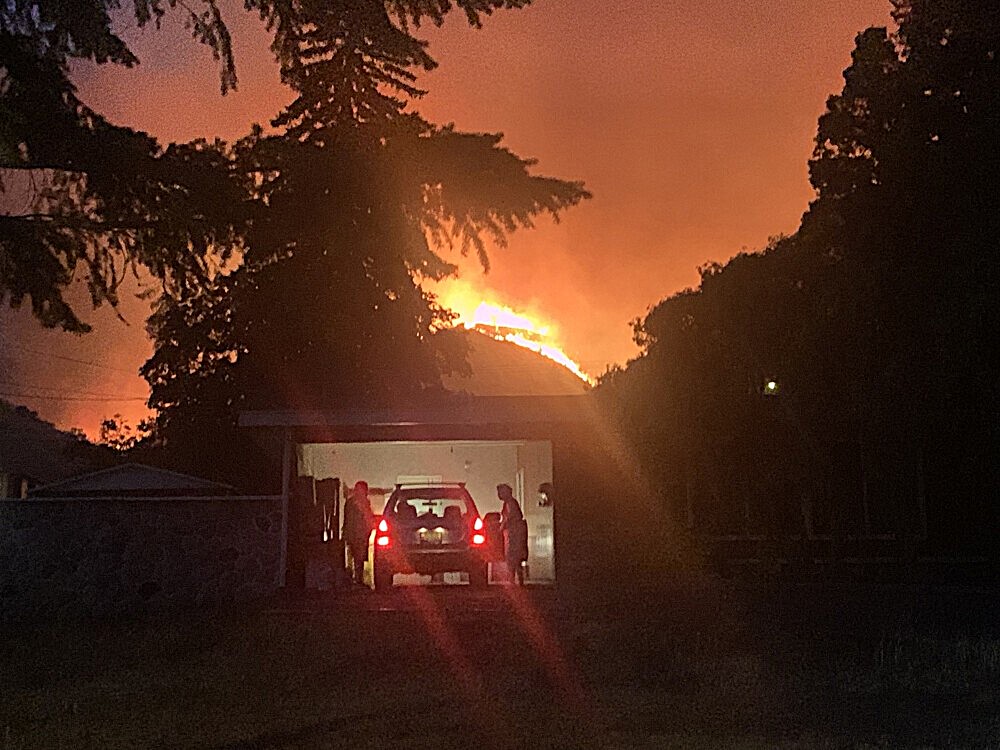
The cost of the 2021 western North America heat wave and the fires it kindled was measured in records broken, lives lost and homes destroyed. Behind those numbers were millions of ordinary people forced to confront extraordinary times, as our world has become warmer.
Five years later, The Tyee is presenting stories of five of those B.C. survivors as told in their own words. Their testimonies were created with the Climate Disaster Project at the University of Victoria.
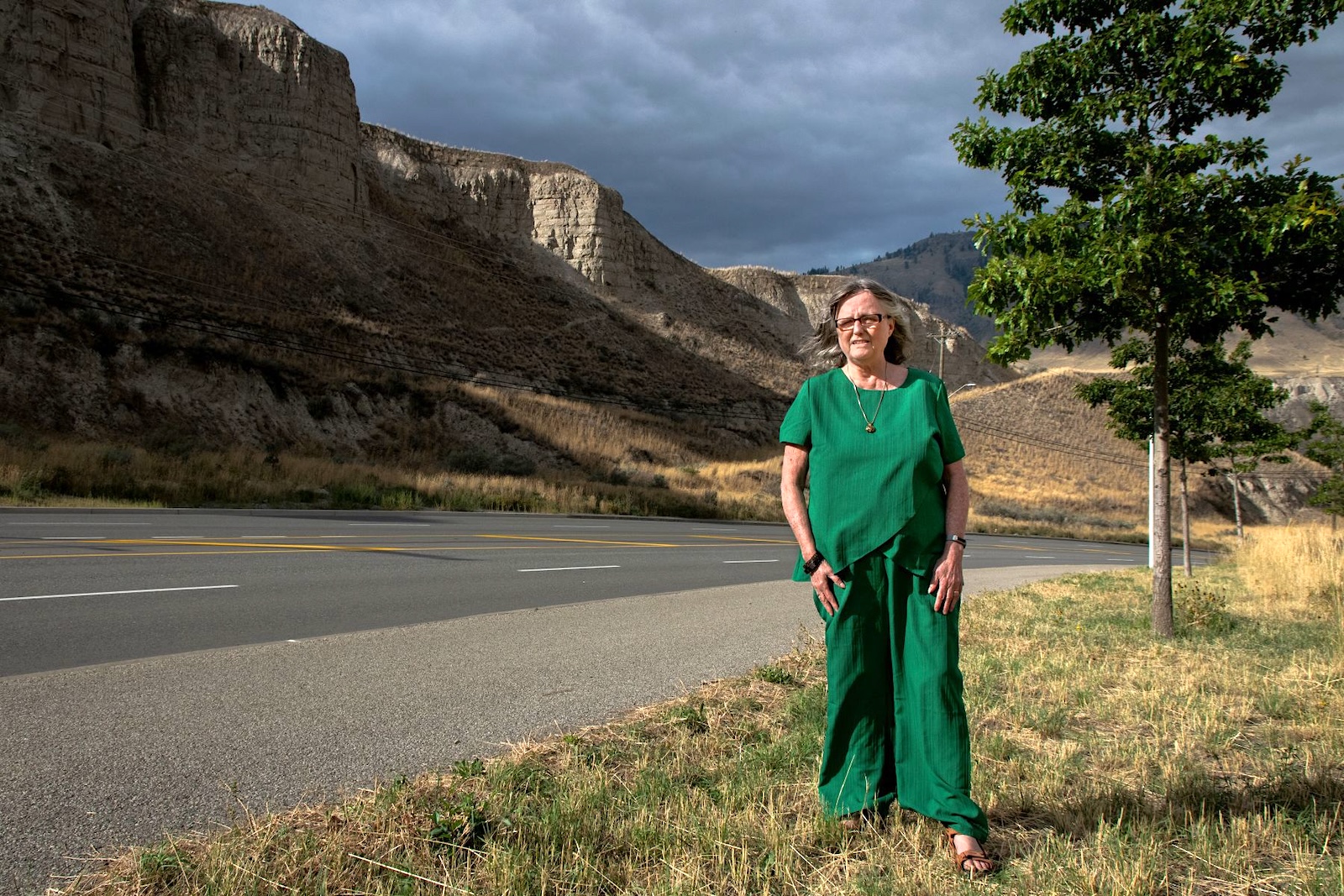
‘It’s a reality I wish I’d never seen’
Dale Bass grew up in a Baptist Union family in southwestern Ontario. Her parents wouldn't pay for university, so she won the 'biggest and easiest scholarship' she could find, funding four years that led, in 1976, to a job reporting for the London Free Press, where she eventually headed the union and met her husband, Alan. The couple later moved to Kamloops when Alan assumed a professorship at Thompson Rivers University. In 2018, after retiring as a columnist at Kamloops This Week, Dale became a city councillor, work she said needs the same skills as journalism but with no deadlines. On July 1, 2021, when the Juniper Ridge fire broke out in her city, just after Lytton burned, she was also grieving her son's death.
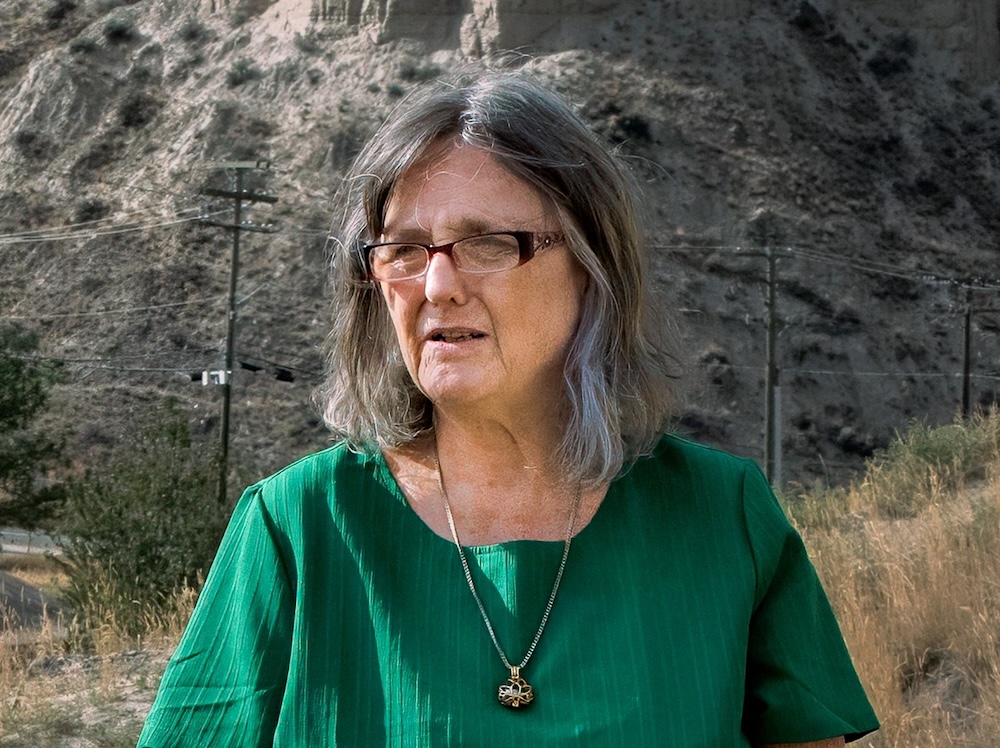
This is Dale’s story as told to Sean Holman.
I didn't know it was on fire at all. And then our communications department sent out a press release saying, "Please stay off the highway. Juniper is being evacuated. There's a fire coming. We have it all under control. Don't panic, people." That was the first I knew of that.
Then, a friend of mine who lives just east of Juniper called me in a panic because she saw a fire behind her house, which meant it had moved on down. I didn't know that either. Then the mayor sent out a text to all of us saying, "I’m in Juniper. I'm stuck in this evacuation and we're not going anywhere."
There's only one road in and out of Juniper, just one. It empties onto the highway, and it was just bogged down completely. Unloading everybody onto the Trans-Canada Highway led to all kinds of backups: people coming in or going out who were unaware of the fire, because they were backed up so far, were getting angry.
And I was hearing the horns honking because they didn't know the city was on fire. They just knew they weren't going anywhere and they weren't happy. There weren't even a lot of sirens. There were some. I guess that would've been the police rushing to advise people they had to get out. I just remember sirens and horns.
There is a gate that is kept locked that leads to a dirt road that would've been a great exit point for Juniper. But nobody could find the freaking key. I had asked earlier, when we were discussing another matter at council, "Who's got the key for that gate?" "Fire Department does." Fire department didn't have it. So somebody finally got bolt cutters and cut the damn lock. So, I was angry about that.
They are just lucky that they didn't lose any houses, and that was just from the work of the fire department. Because, like my house, they back up into the hills. The hills were on fire. There are trees, and there are bushes, a lot of sagebrush, and really, really expensive houses up there. And when you see the red off the fire and then you see it suppressed with the red suppressant, it just doesn't change your view. It still looks red.
Had the fire kept on coming down the hill, it would've hit all the car dealerships. I was angry. I was angry for quite a while that they hadn't planned for it. Then when I found out that it came within just a little under two miles from my house and I wasn't told, I wasn't even told I was under alert, that made me angry too.
I know a lot of people in the city and I have a lot of friends. And they know that I usually know what's going on because I'm still a reporter at heart. I was angry that people were emailing me, asking me what the hell was going on. I don't know. I don't recall anyone other than my two counsellor friends asking how I was, other than my husband. But he knew how I was.
And the challenge there was, I was also still dealing with the death of my son. But people focus on themselves, right? And reporters, we just do it. I know other people, I have friends who didn't do as well. My husband says I have more testosterone than most men. I might, I don't know. But I think, had it been my sister, she would've been freaking out because she's not me.
And this is going to sound really sick, and I don't mean it to, but I had the benefit of seeing my friend, the Lytton mayor, and knowing that wasn't me and realizing that no matter what happened in Kamloops, none of my friends, none of the people who lived up there who were evacuated are having to face what he is.
Maybe they will in the future. I don't know. So that helped, and that's really sick seeing that somebody's in worse shape than you and your friends and your people are. But it's still a reality. It's a reality I wish I'd never seen.
I'm done with all these big shots who fly off to some fancy place and talk about themselves and stare at their own navels and have drinks and fly back and then tell us all to buy our e-bikes. Everything comes back to being angry that we just sit around and talk. Or we talk about goals, but we don't talk about what we're doing tomorrow.
Nobody should care what I do. I should care what other people do to help people. This is all about helping people. I don't view it as climate change. I just view it as helping people survive. Tell me what you're going to do tomorrow. Tell me what you're going to do next week. Tell me what you're going to do next month. Because we spend a lot of money on this really, really great plan and everybody loves it, and we won't be done until 2035. Big deal. We won't be here in 2035.
We got to build better freaking roads. We got to have better infrastructure. We got to have a better alert system. We got to have places for people to go to if they're being evacuated. We got to have better fire-smart protection. We got to do all this stuff. Don't sit there and lecture me that I should ride a bike more.
But the real solution here is to recognize it's going to happen again next year. We're going to have extreme heat. We might have extreme water. We're going to have extreme cold. And let's prepare for that, so that we don't have people die. We don't lose towns. We don't break mayors and other residents. We don't destroy souls.
This testimony was co-created by the Climate Disaster Project, a newsroom co-ordinated at the University of Victoria that works with climate-impacted communities to document and investigate their stories. Subscribe to the project’s newsletter here. ![[Tyee]](/design-article.thetyee.ca/ui/img/yellowblob.png)
Read more: Environment
Tyee Commenting Guidelines
Please note that email notifications for replies are not currently working due to a software issue which may be resolved in a future update.
Comments that violate guidelines risk being deleted, and violations may result in a temporary or permanent user ban. Maintain the spirit of good conversation to stay in the discussion and be patient with moderators. Comments are reviewed regularly but not in real time.
Do:
Do not: