


 SHARE:
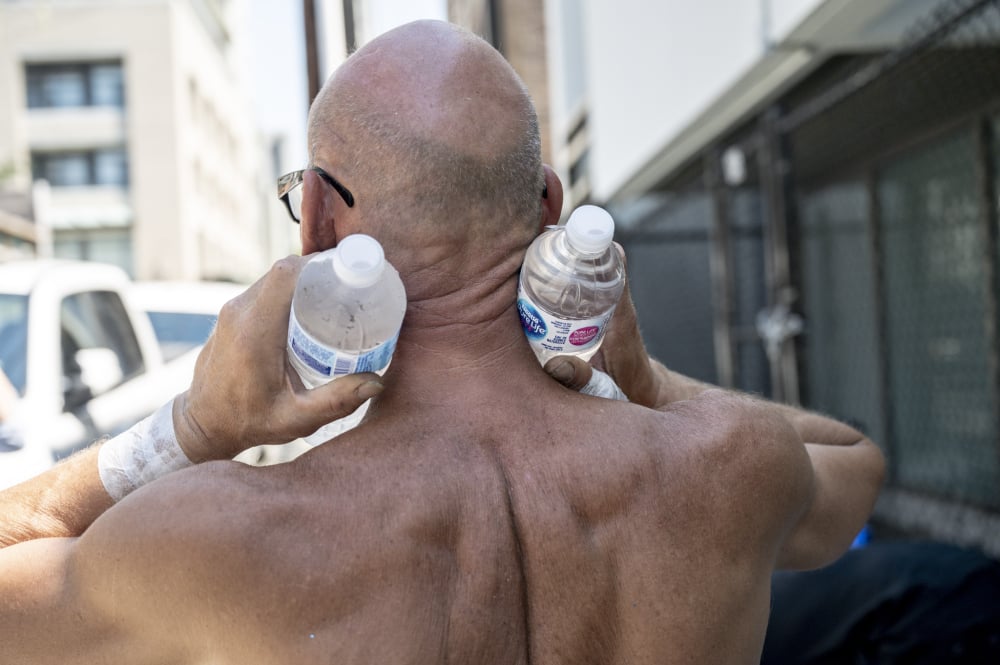
Temperatures are expected to start creeping up across southern B.C. this coming week.
Starting this weekend and into next week temperatures on Vancouver Island and in the Lower Mainland are predicted to hit the high 20s, warming to the mid 30s in the Interior and high 30s in the Kootenays.
The weather “may trigger heat warnings” and may “pose risks” but is not expected to be as extreme at the June 2021 heat wave that killed 619 British Columbians, said Minister of Emergency Management and Climate Readiness Bowinn Ma.
At a provincial update on Thursday provincial health officer Dr. Bonnie Henry said this heat wave will be “nothing compared to the June 2021 heat event” and it is “not going to have a major impact on a lot of people.”
A big reason for that is the time of year, Ma said. We’re seven weeks away from the summer solstice, which means days are shorter and nights are longer compared to when the June 2021 heat wave hit, she said.
The June 2021 heat wave taught B.C. that “heat deaths can happen in Canada,” Ma said. “Two to three years ago we didn’t see heat as a threat but we learned that’s not the case, especially with climate change.”
Heat stroke can happen when indoor temperatures hit 31 C, Ma said, adding people suffering from heat-related illness can experience elevated heart rates, rapid breathing, nausea or vomiting, swelling of the hands and feet, dizziness and decreased mental alertness.
“Heat stroke is an emergency so call 911 or your local emergency number if you’re caring for someone who displays symptoms then take immediate action to cool them down while waiting for help to arrive,” Ma said. “Be prepared, stay safe and look out for one another.”
Ma said people should drink plenty of water, buy digital thermometers to track indoor temperatures, find places outside of the home to cool down and take a dip in a nearby body of water to cool down when needed.
Using damp towels and cool showers can also help you keep your temperature down while at home, she added. Never leave your children or dogs in a car, she said.
Henry recommended that people close their blinds during the day to keep the sun out and open windows at night to let cooler air in.
For further advice on how to prepare Ma and Henry pointed to the B.C. Extreme Heat Preparedness Guide.
The province will also be following the 2023 BC Provincial Heat Alert and Response System which was developed by the BC Centre for Disease Control and B.C. Ministry of Health, Ma said.
This guides governments, health authorities, hospitals and community care sites in taking action to prepare to keep people safe, she added.
Cooling centres will be opened with associated costs for setting up and running centres covered by the provincial government and people can head to designated cooling centres, community centres, arenas or malls to beat the heat.
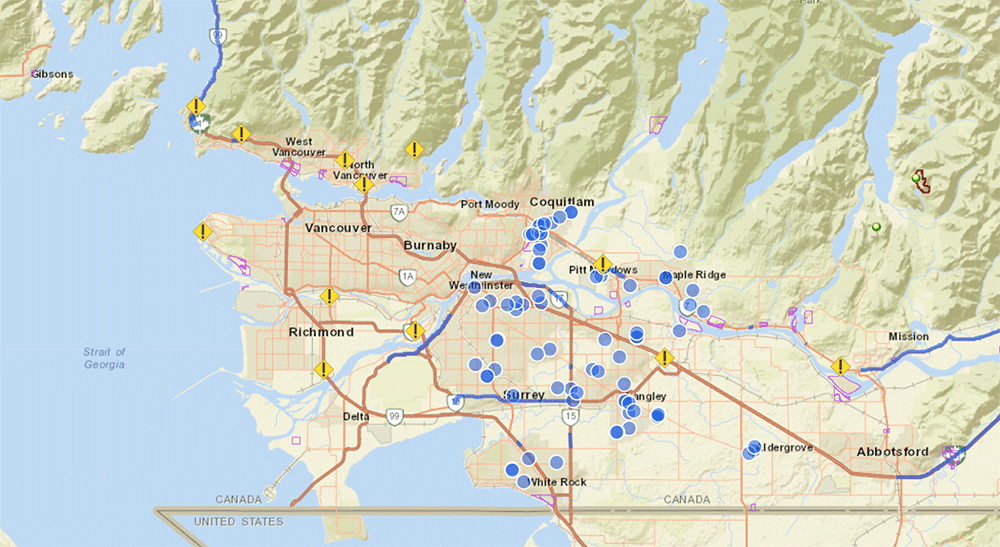
Open cooling centres can be found at EmergencyInfoBC’s website by clicking on the emergency map.
At the end of June B.C. said it would invest $10 million with the aim of installing 8,000 portable air conditioners in low-income homes to help keep vulnerable people safe during future heat events.
But since the announcement, CBC has reported some landlords are prohibiting low-income tenants from installing air conditioners.
On Thursday Ma didn’t directly respond to a question about how many air conditioners had been installed so far.
“I recognize air conditioners may not be suitable for every single building, whether that’s due to electrical capacity or whether that’s related to other insurance policy related issues, but it is important for landlords to work with their tenants to find solutions,” Ma said.
“It’s also very important for us as a province to continue to help support communities to open cooling centres as well,” she added.
An advocacy group called 619, which references the number of heat-related fatalities during the June 2021 heat dome, has been calling for the province to improve its heat strategy.
On its website the organization calls for the province to give money to low-income households to buy their own mechanical cooling devices; to create regulations that mandate and enforce a maximum indoor temperature of 23 C in all private residence and public buildings during the spring, summer and fall; to improve cooling centre hours so pets, low-income and homeless people can access them whenever needed; and to raise disability rates. ![[Tyee]](/design-article.thetyee.ca/ui/img/yellowblob.png)
Read more: BC Politics, Environment






Tyee Commenting Guidelines
Comments that violate guidelines risk being deleted, and violations may result in a temporary or permanent user ban. Maintain the spirit of good conversation to stay in the discussion and be patient with moderators. Comments are reviewed regularly but not in real time.
Do:
Do not: