


 SHARE:
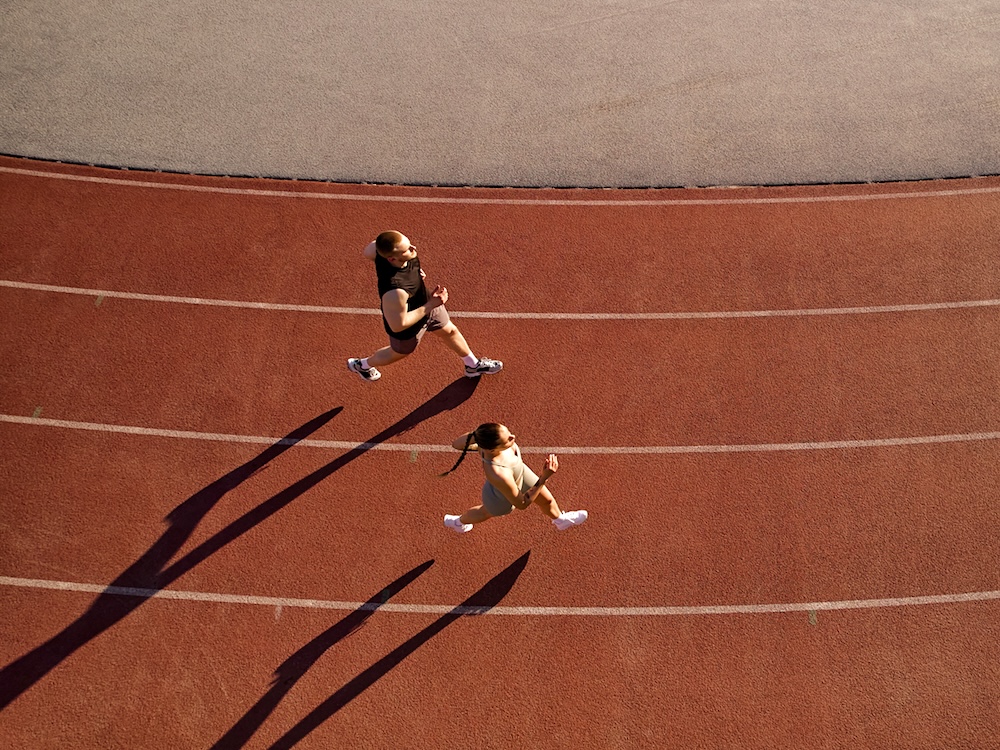
I was a clumsy, shy, neurotic kid. My tendency to overthink things robbed the fun from activities meant to spark joy in their intended audience, like a classmate’s birthday party, a trip to the water park or meeting a friend’s new puppy. Accordingly, I hated gym class. The thought of it looming on the calendar filled me with dread and ruined the days leading up to it, especially when I knew we were going for a jog, doing gymnastics or, worst of all, swimming at the community centre near our high school.
I grew up surrounded by athletes who could power across a soccer pitch, dance studio or basketball court with the unencumbered fluidity of those who believe in themselves. I, on the other hand, couldn’t seem to move my body in a way that didn’t feel humiliating and stressful. So I stayed still, finding happiness in the sedentary arts of music, reading and not getting up from my seat.
But I knew I needed exercise. So in the dun heat and sprawling weekdays of summer break in my mid-teens, I started running.
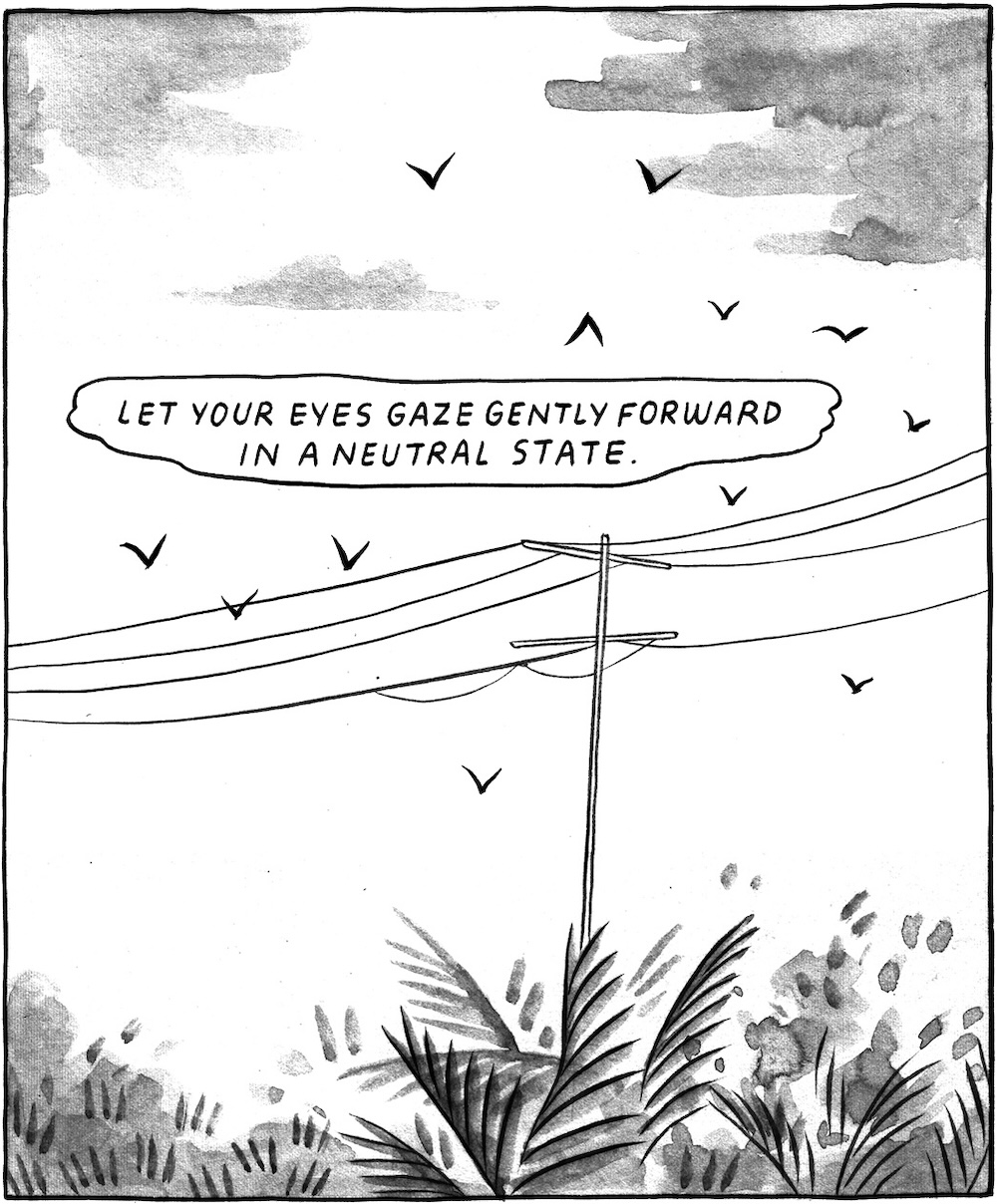
Home alone while my parents worked, I’d jog a few tentative blocks around my neighbourhood. On cooler evenings, I’d run along a busy street because the high likelihood of being seen by someone I knew shamed me forward, step by punishing step.
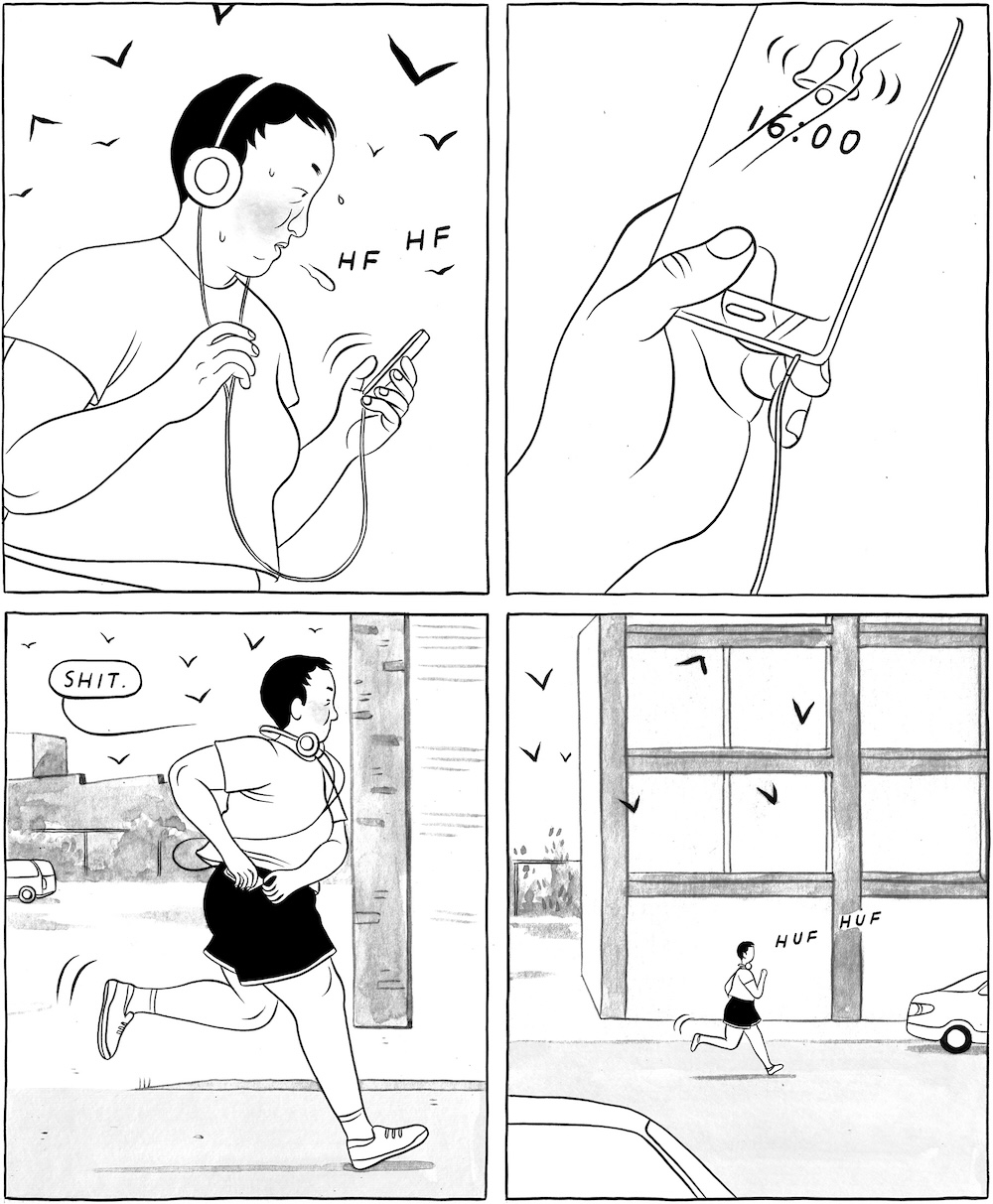
By the summer after high school, I was running semi-regularly. Sometimes with a friend, but mostly alone. It was a quiet habit I kept up through the years as my primary form of exercise.
Running showed me there is joy in solitude, that incremental steps add up, that we can start without much and end up OK. I ran between classes as a student, I ran to calm myself while navigating stressful jobs, uneven finances and bad breakups. I ran while I was pregnant until I paused at an intersection on my route along the 10th Avenue bike path, looked down at my growing belly and figured it was the last I’d do for a long time.
After having a baby, years went by with vague hopes of returning to my old self and going out for a run, but I was too sleep-deprived and time-starved to do it.
Then, on a clear morning in February 2025, I laced up my running shoes for the first time in years. It felt great! I’ve been back at it since, but I’m easier on myself now than I used to be. I’m not very fast or running particularly long. I go as far as I feel like, and I don’t sweat it when I don’t.
I balance out the running with workouts that get me moving in ways I wouldn’t have otherwise known how to do and which feel like a good idea, probably. On occasional weeknights, after my child is in bed, I cycle through a vaguely bro-y guided fitness routine of plank jacks, split squats, bicep curls and dead lifts delivered by an inclusive, body-neutral online instructor in a style that someone like me can do in their living room.
The third wave of running
When I returned to running this year, I didn’t realize my rekindled relationship with the sport coincided with a 2025 running boom that catapulted running into its third wave of popularity.
The first running boom, according to London Marathon director Hugh Brasher, was in the 1970s and ’80s. “It was all tall, skinny white guys in very tight shorts,” he told the Guardian’s Sean Ingle in May.
The second running boom arrived, Brasher said, in 2003, the year Paula Radcliffe set a new world record in the London Marathon and inspired more women to start running.
The third boom is happening now, and it’s fuelled largely by members of gen Z, a demographic hit harder by the social isolation of the early COVID-19 pandemic than others.
According to Canadian Running magazine, gen-Z users of the popular fitness app Strava tend to log shorter distances, and they are “the least likely to exercise for health alone, preferring the thrill of competition or the camaraderie of friends, run clubs or group fitness activities.”
The appeal of a run club makes sense. A group of The Tyee’s Vancouver staffers even started one this spring.
When I joined Strava on a lark this year, I wasn’t expecting much. I certainly didn’t expect that I’d appreciate its presence in my life because in comparison to other apps with a social media frill, the noise is dialed way down. The user culture is refreshingly straightforward: you give “kudos” to affirm the runs and workouts the people in your network have logged, and you can comment if you want. That’s about it.
I have a handful of “friends,” all of whom I know and like in real life. Compared with my other social media, that’s rare.
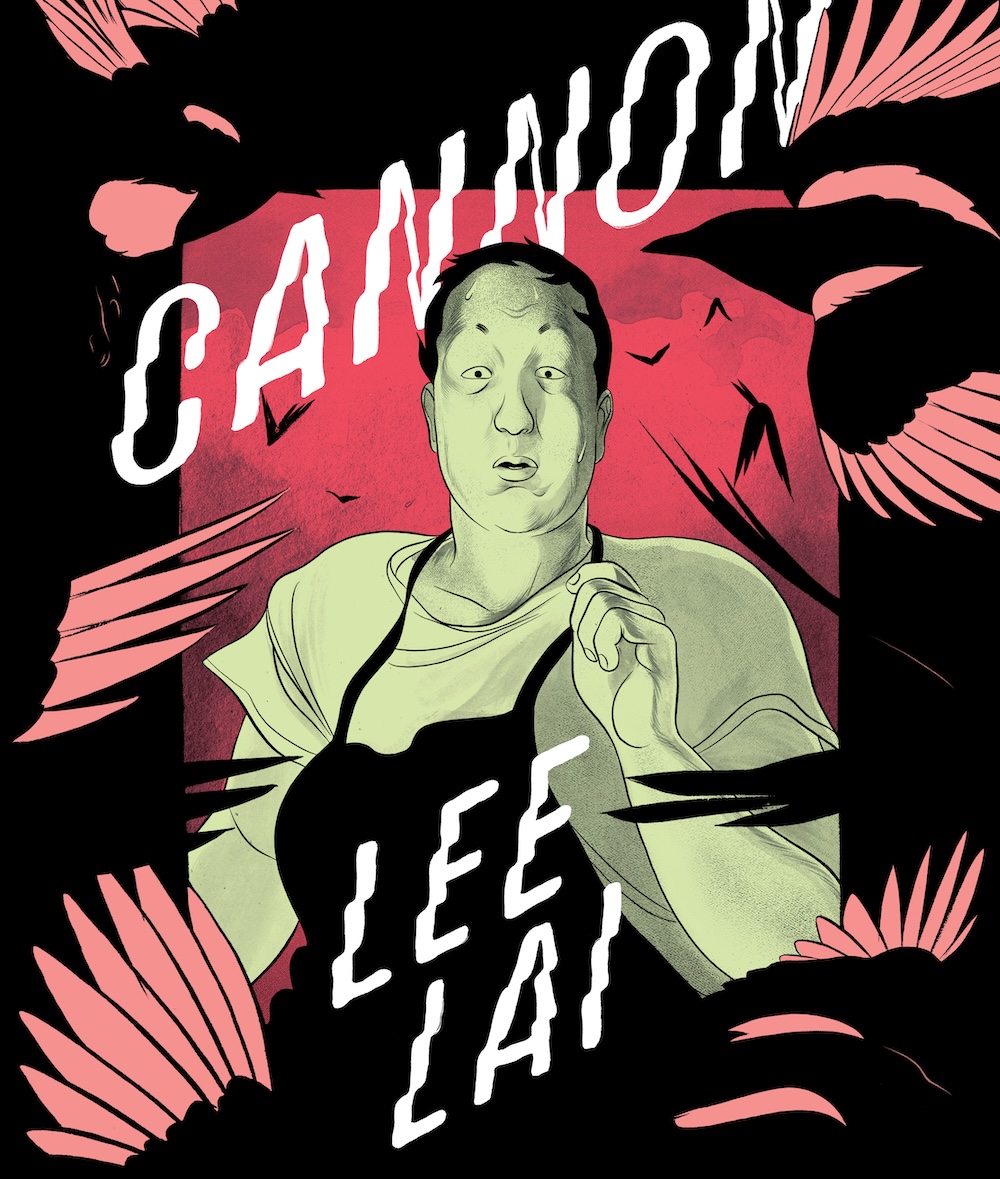
I was among the many readers excited to read Lee Lai’s latest graphic novel, Cannon, out this fall through Drawn & Quarterly. Lai is from Australia and resides in Montreal, and her book holds a mirror to the challenges, triumphs and affectations of contemporary life.
Set in a sweltering Montreal summer and in the lives of two best friends navigating work as a writer and a cook in a busy restaurant, the title character, Cannon, runs as a form of stress relief, listening to a meditation app as she goes.
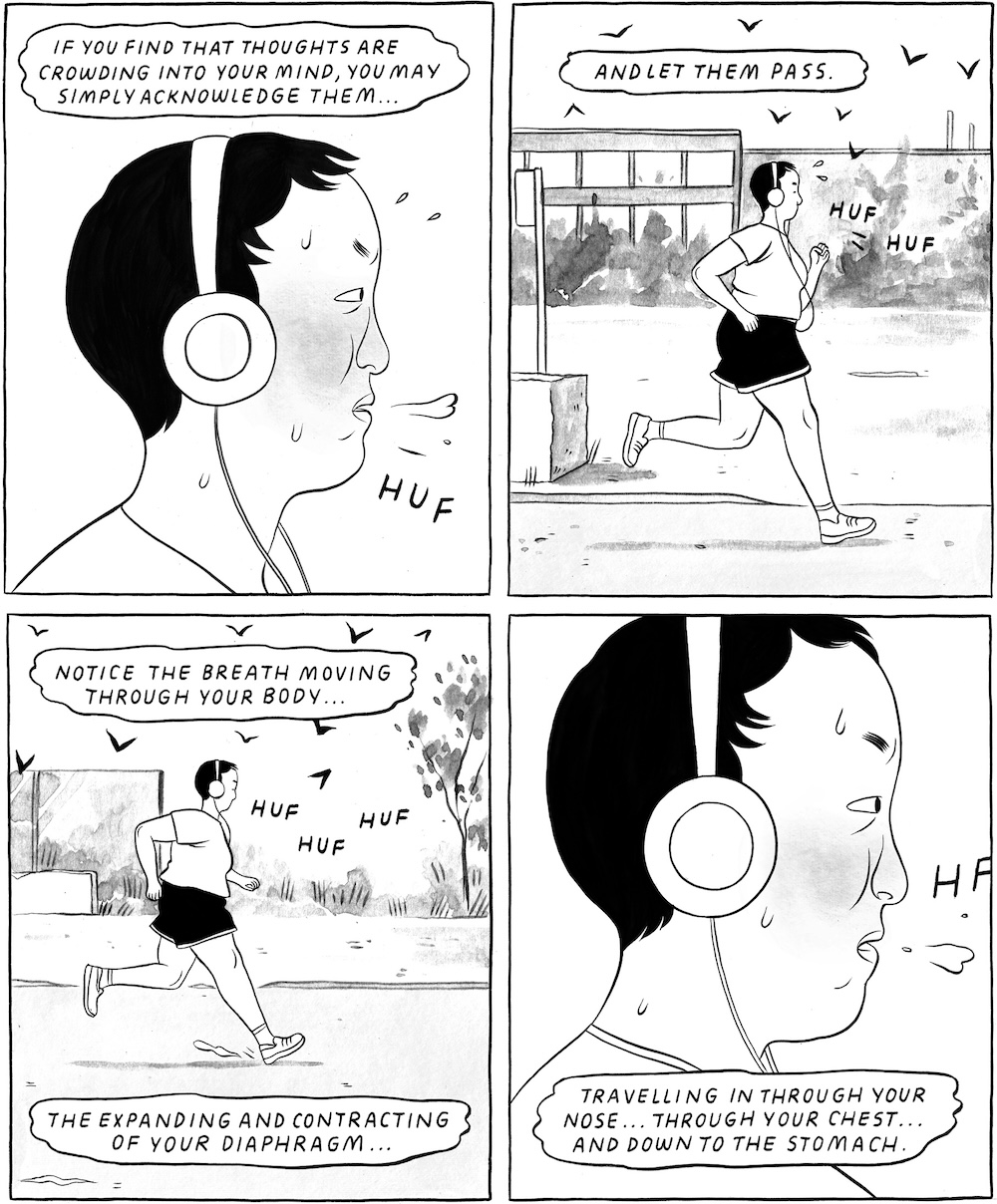
Cannon keeps running as the stresses accumulate in her life. She develops painful blisters on her feet and eventually sees a physiotherapist, who says that while she can give Cannon some stretches and exercises to relieve the discomfort, they don’t address the heart of what she sees.
“I do want to ask you — you’ve done some damage here. Why all the running?” the physiotherapist asks.
“It just... it just feels good,” Cannon replies.
“So you’re chasing that endorphin high,” says the therapist.
“No, not exactly. I guess it feels like a relief.”
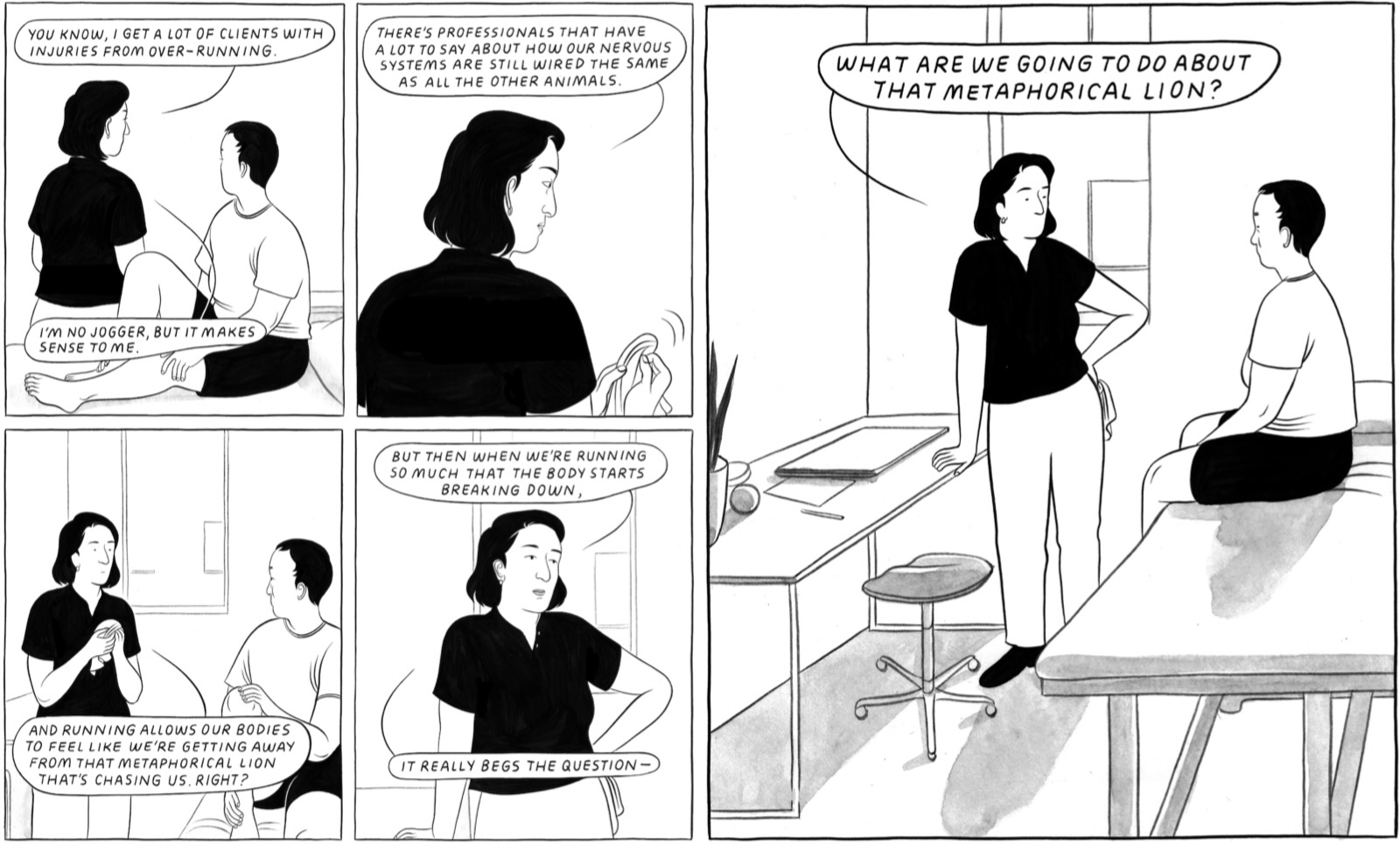
The physiotherapist then tells Cannon what she knows about her clients with injuries from over-running.
“There’s professionals that have a lot to say about how our nervous systems are still wired the same as all the other animals. And running allows our bodies to feel like we’re getting away from that metaphorical lion that’s chasing us, right?” she says.
“But then when we’re running so much that the body starts breaking down, it really begs the question — what are we going to do about that metaphorical lion?”
We’re closing out a year in which Strava’s higher-ups intend to launch an initial public offering in response to the fitness app’s rising popularity. The app has become “more than mainstream” in the fitness community, London run club chair Vassos Alexander told the Financial Times this fall. The app is just as important to runners as the shoes, he added.
This era is difficult. There is genocide, there is mass deportation, there is the policing of people’s bodies in ways we can’t immediately control.
Maybe that’s one of the appeals of running. It’s a small, simple thing we can do, a test of will and endurance against the odds. Even and especially with the lion at our back. ![[Tyee]](/design-article.thetyee.ca/ui/img/yellowblob.png)
Read more: Health, Books, Sports, Media, Science + Tech







Tyee Commenting Guidelines
Please note that email notifications for replies are not currently working due to a software issue which may be resolved in a future update.
Comments that violate guidelines risk being deleted, and violations may result in a temporary or permanent user ban. Maintain the spirit of good conversation to stay in the discussion and be patient with moderators. Comments are reviewed regularly but not in real time.
Do:
Do not: