

 SHARE:
There are two new exhibitions in Vancouver that feature the work of two of the leading women photographers of the 20th and 21st century.
At the Vancouver Art Gallery, Nan Goldin: Stendhal Syndrome spins a searing web of yearning and desire, showing viewers how to hold on tightly, and let go lightly. It’s also a potent reminder of how certain qualities of human relationships endure across generations.
A recent acquisition from the VAG and the Walker Art Center in Minneapolis, Stendhal is a 26-minute-long single-channel video installation, marking a return to the slideshow, one of Goldin’s earliest creative forms.
The origins of Goldin’s photographic signature came in 1985, when the artist showed The Ballad of Sexual Dependency, a slideshow set to the music of the Velvet Underground, Nina Simone and others that featured a shuffled cavalcade of photos of New York City’s then-demi-monde. The moment is immortalized in All the Beauty and the Bloodshed, director Laura Poitras’s documentary portrait of Goldin.
Writing about the film when it was initially released, I remember the scene wherein one interviewee recounts that they couldn’t really hear anything at the event over people screaming in horror and delight at the images of themselves and people they knew.
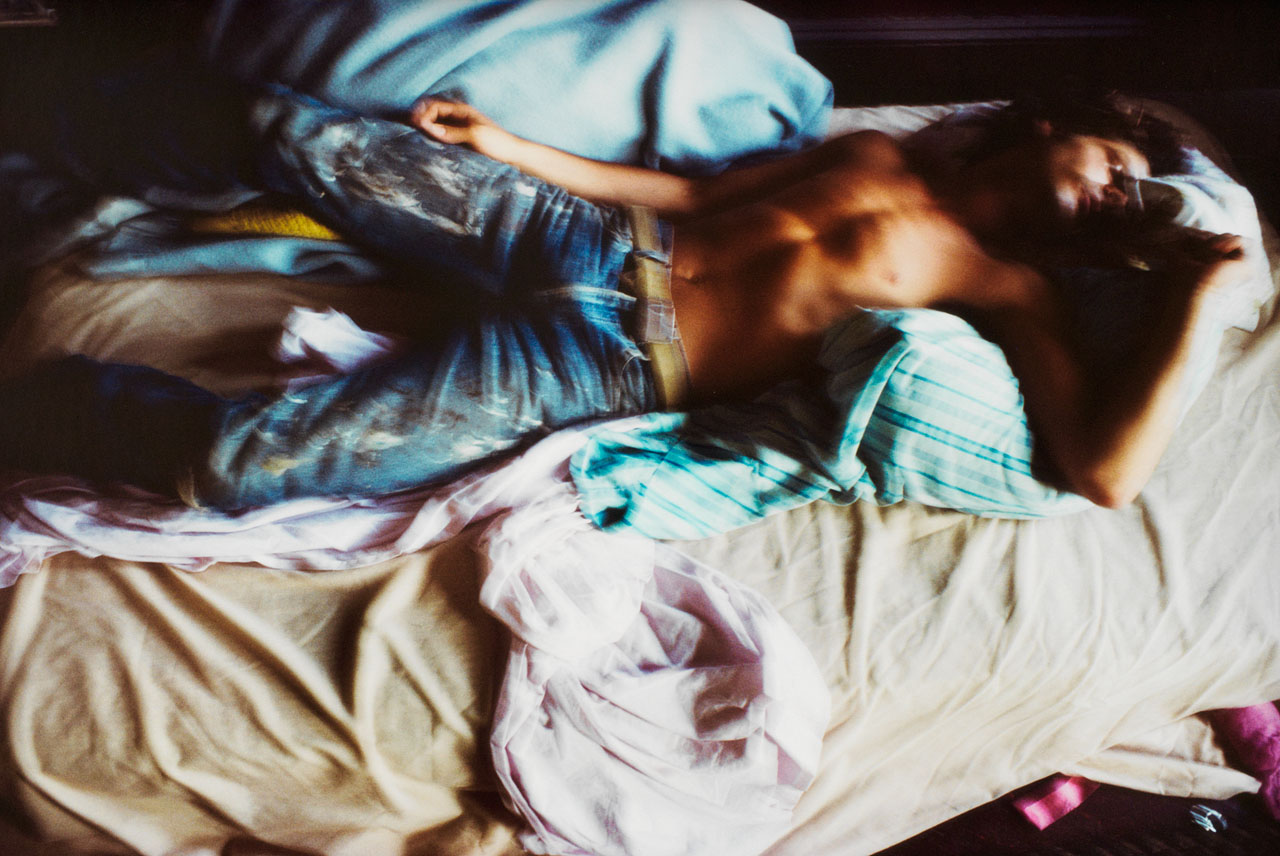
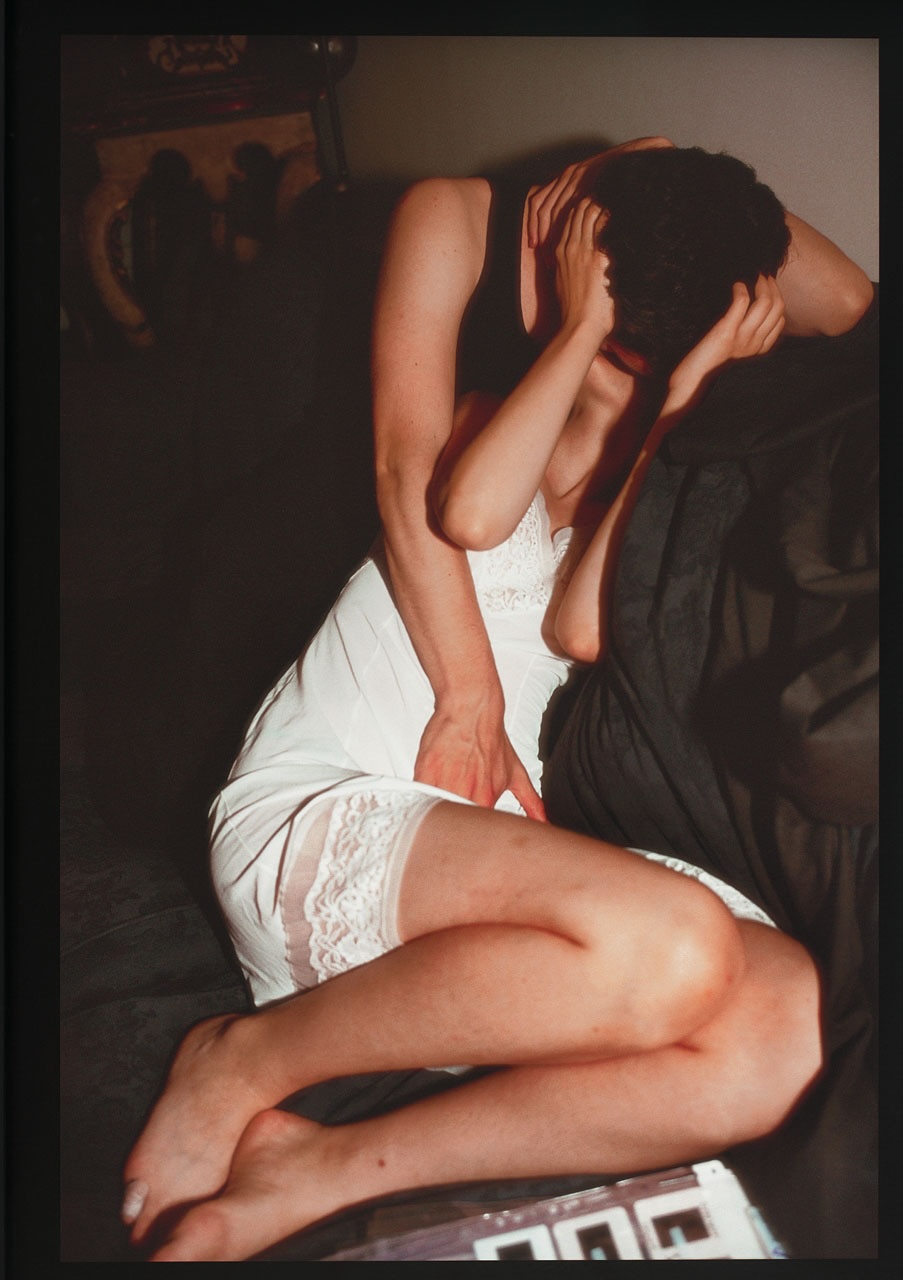
Stendhal, while not exactly as world-shaking as Ballad, is nevertheless filled with Goldin’s stop-you-dead-in-your-tracks images. The conceit of the show is a juxtaposition of photographs taken in some of the world’s most celebrated art galleries: the Louvre Museum in Paris, the Metropolitan Museum of Art in New York City, and the Galleria Borghese in Rome. Masterpieces of Classical, Baroque and Renaissance paintings and sculpture are presented cheek by jowl alongside other body parts, with images of Goldin’s own friends and lovers.
The term ‘Stendhal Syndrome’ originated in the writing of French author Marie-Henri Beyle, whose nom de plume gives the condition its moniker.
Beyle’s recounting of the experience of seeing the frescoes in Florence’s Santa Croce Basilica brought on an experience of rapture and collapse, a condition that he attributed to witnessing art of singular, overwhelming beauty.
A similar catharsis happens with images of ordinary human beings in Goldin’s photographs.
The impetus for Stendhal arose from Goldin falling in love with a woman featured in a painting. Golding visited the museum every week before coming to the realization that the people in the collected paintings bore an uncanny resemblance to the photographer’s chosen family.
The meat of the work marries Roman poet Ovid’s Metamorphoses, as recounted by Goldin in her gravelled sandpaper voice, with a series of paired photographs. Among the stories are the individual tales of Narcissus, Pygmalion, Orpheus and Eurydice, as well as the goddess Diana and the young huntsman Actaeon. When Actaeon accidentally saw Diana bathing naked in a stream, he was turned into a stag and eaten by his own dogs for this transgression. Love is never easy.
In one of the VAG’s larger galleries, the narrative unfurls in a convergence of ancient and contemporary images sewn together into a stream of bodies, naked and clothed, twined in and around each other in postures of passionate embrace and succour, abandonment and confrontation. It is a heady work, suffused with the salty funk of sex and aching need.
In Lee Miller’s work, a meditation on personal freedom
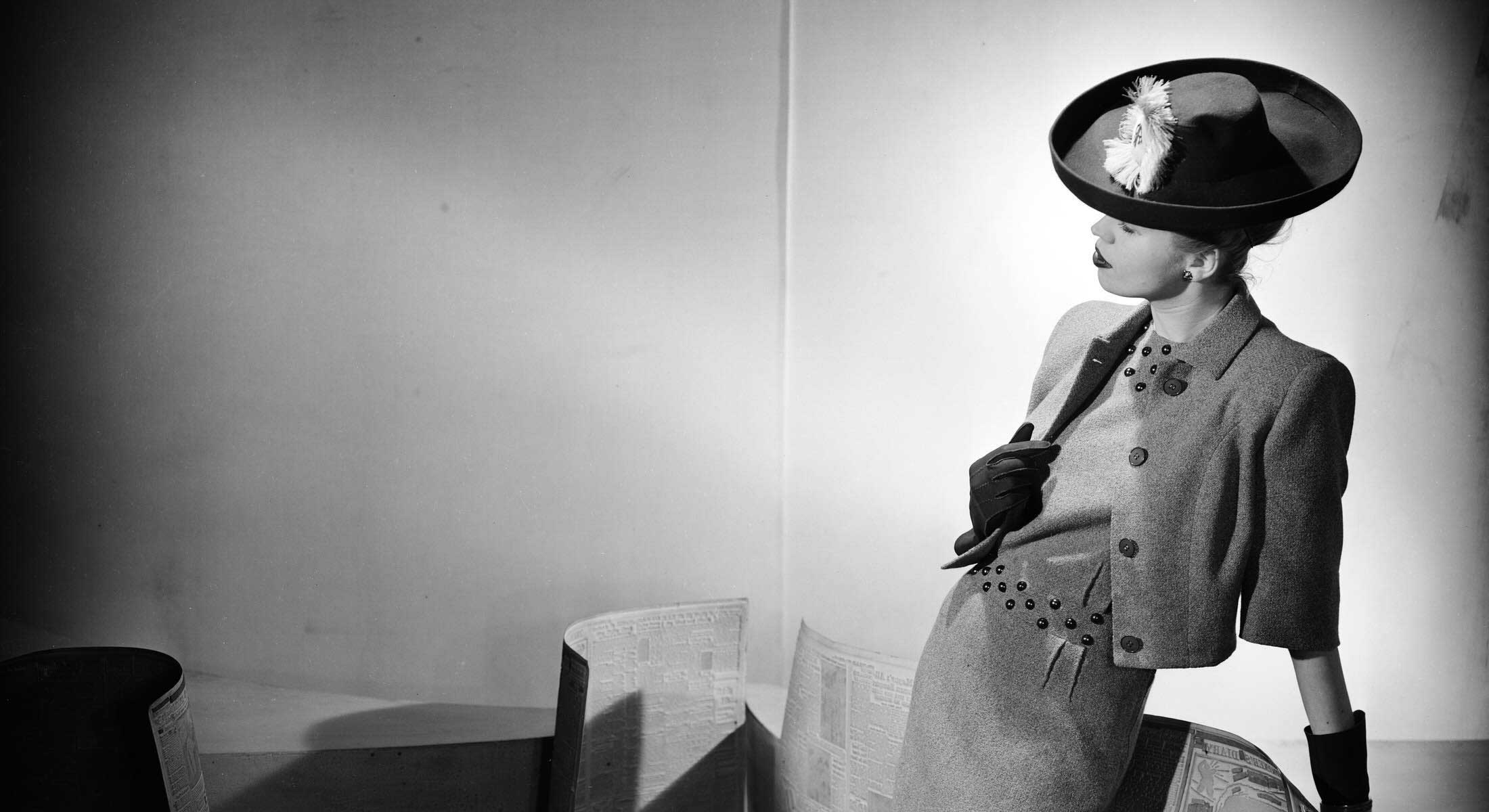
At the Polygon Gallery in North Vancouver, a retrospective of the American photographer Lee Miller offers an immersion in extraordinary images she created from 1932 to 1945.
Although the bulk of Miller’s work predates Goldin’s by a few decades, the two share some curious commonalities, namely a fascination with beauty, sexuality and above all, a commitment to ferocious independence.
Miller’s life was similar to Goldin’s in that both women smashed the usual rules for female artists, and both suffered for their dedication to creative and personal freedom.
Born in 1907 in Poughkeepsie, New York, Miller’s early life was marked by trauma. Raped at age seven by a family friend, she contracted gonorrhea and had to undergo agonizing and invasive treatments throughout her childhood.
In her late teens, Miller launched a modelling career that made her the toast of New York. Eager to escape the confines of fashion, she used the scandal of her photograph being used in a Kotex sanitary napkin ad to leave modelling behind her.
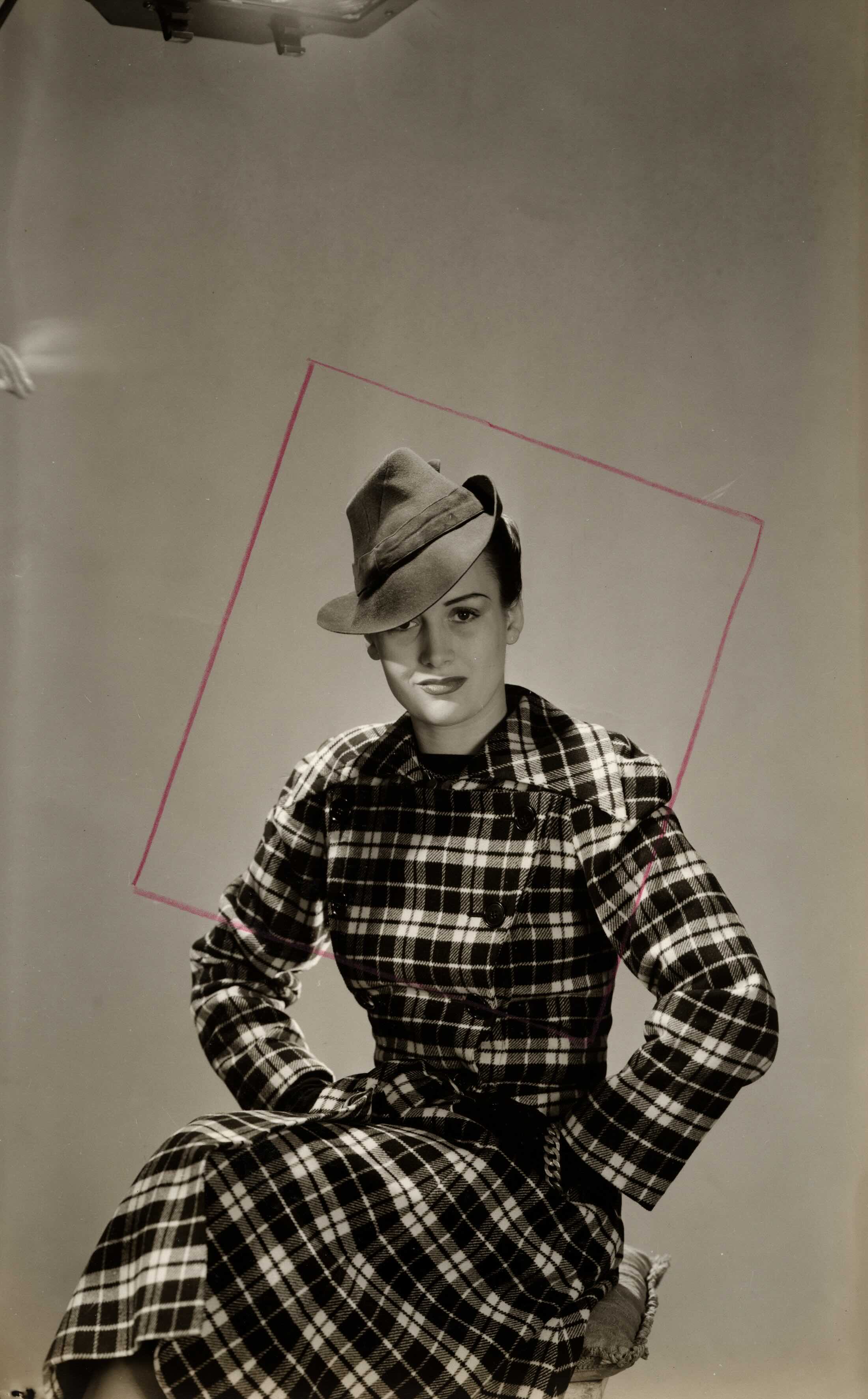
In her twenties, she moved to Paris, appointed herself as a mentee to surrealist artist Man Ray and embarked on a career as a photographer, pioneering some of the techniques that were later attributed solely to Ray.
In addition to collaborating with those with whom she was romantically involved, Miller developed working relationships with other members of the surrealist movement, including a life-long friendship with Picasso. She was coated in layers of butter and flour to play a living statue in director Jean Cocteau’s 1930 film The Blood of a Poet.
After her romance ended with Ray, Miller returned to New York and founded her own photographic studio.
The advent of the Second World War offered Miller an opportunity to reinvent herself yet again, when she became one of the only women covering the frontlines for Vogue magazine. Miller’s photographs were among the first to document the horrors of the extermination camps.
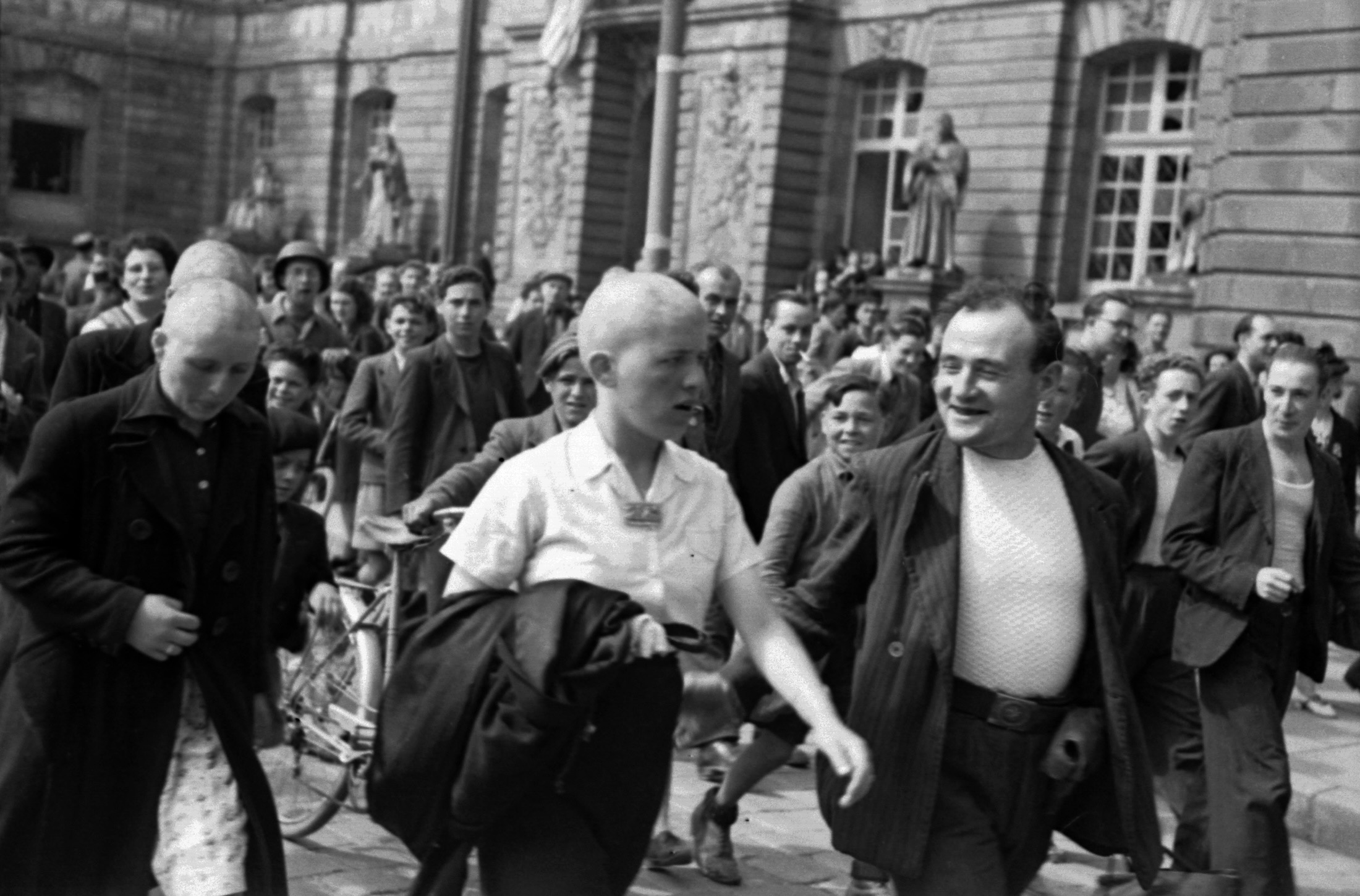
She begged Vogue to publish the images so that the truth of what took place in Nazi Germany would be widely known. In addition to her own photographs, Miller worked with fellow photojournalist David E. Scherman, whose iconic image of Miller taking a bath in Hitler’s Munich apartment may be the one most famous photograph of the Allied liberation.
The most telling detail in the photograph isn’t the picture of Hitler posed oddly over the tub or Miller’s naked body. Rather it is her army boots, muddied with ashes of an earlier visit that day to Dachau. Miller also photographed Scherman in a similar pose, tilting her camera up just slightly to capture a shower head, alluding to the technique of gassing Jewish prisoners in the extermination camps.
After the war ended, Miller left Europe and returned to England, but the things that she had witnessed did not leave; they stayed with her the rest of her life.
Suffering profoundly from what was, in all likelihood, post-traumatic stress disorder, Miller self-medicated with alcohol. Her efforts to get her drinking under control proved a challenge, but like the many horrors she had faced in her life, she managed through sheer tenacity of will.
In her later years, she channelled her creativity and drive into a career as a gourmet chef. Farleys Farm House, where Miller lived with her second husband, became a creative lodestone for artists, who Miller put to work and photographed doing various chores around the farm.
Her experiences photographing the war only came to light when her son discovered a cache of more than 60,000 photographs, as well as journals, letters and her camera, in the attic of the family home in East Sussex. Miller never spoke of the war or her work documenting the Allied liberation, but her son’s biography of his mother, adapted to a 2023 feature film with Kate Winslet, told the story in all its grittiness and courage.
The convergence of beauty and bloodshed is truly where these two fearless women come together. It is fascinating to see where one leaves off and the other takes flight, their mutual passionate obsessions forming two of the most astonishing portraits of the previous and present centuries.
‘Nan Goldin: Stendhal Syndrome’ is on view at the Vancouver Art Gallery until April 12, 2026. ‘Lee Miller: A Photographer at Work (1932-1945)’ is on view at the Polygon Gallery until Feb. 1, 2026. ![[Tyee]](/design-article.thetyee.ca/ui/img/yellowblob.png)
Read more: Art







Notice about commenting changes
The Tyee’s commenting system will be moving to a new platform on Nov. 12. If you’re already a Tyee commenter you must register with the new system on or after Nov. 12 with your preferred username.More information can be found here.