

 SHARE:

It’s summer, time for beach days, barbecues, vacations — and the inevitable news articles calling rodeos cruel and unusual events. But as a son of the Alberta Prairies, rodeo is as much a part of me now as it was growing up. And it taught me so much about how to be in a community.
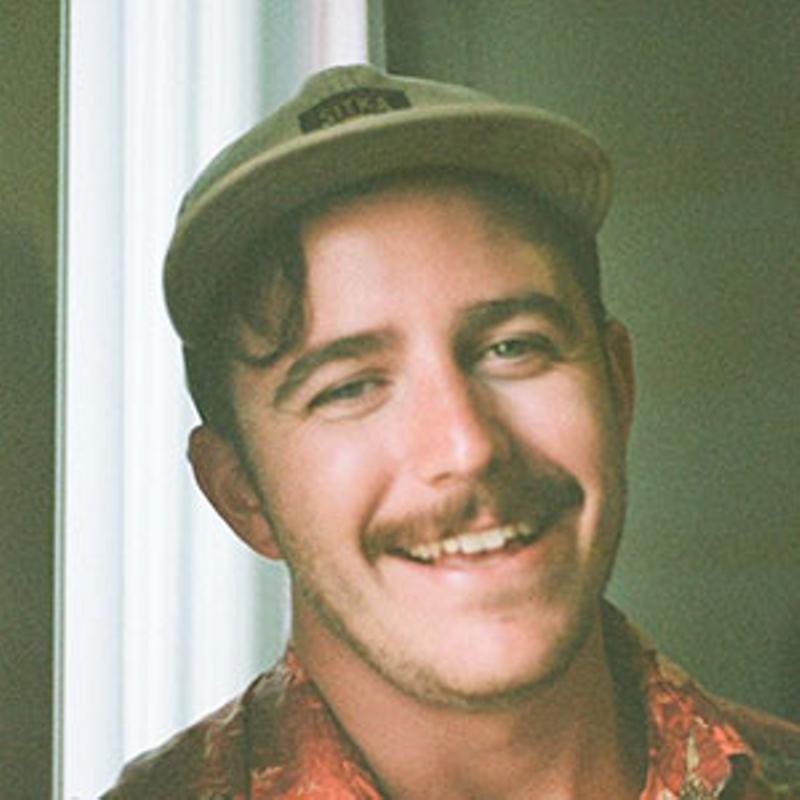
If you catch me on Broadway in Vancouver today, you’d probably not think of a person who grew up sleeping next to rodeo horses at a new middle-of-nowhere every weekend. You’d see a mustached guy wearing a mixture of vintage and J.Crew with shoes you know he spent too much money on. You might laugh and think, “That walking Vancouver Special has never got his hands dirty in his life.” But my early life that saw weekends on rodeo grounds and weeks taking care of cows and horses were foundational to who I am. Those experiences have made me want to work for the rights of people and animals alike.
The sport is representative of the path our ancestors forged, and may be one of the last mass cultural events that connect us to the animals who helped us form our lives today. The smells of tobacco, dirt and manure bring me back to the arena, to a time where it seemed nothing could go wrong.
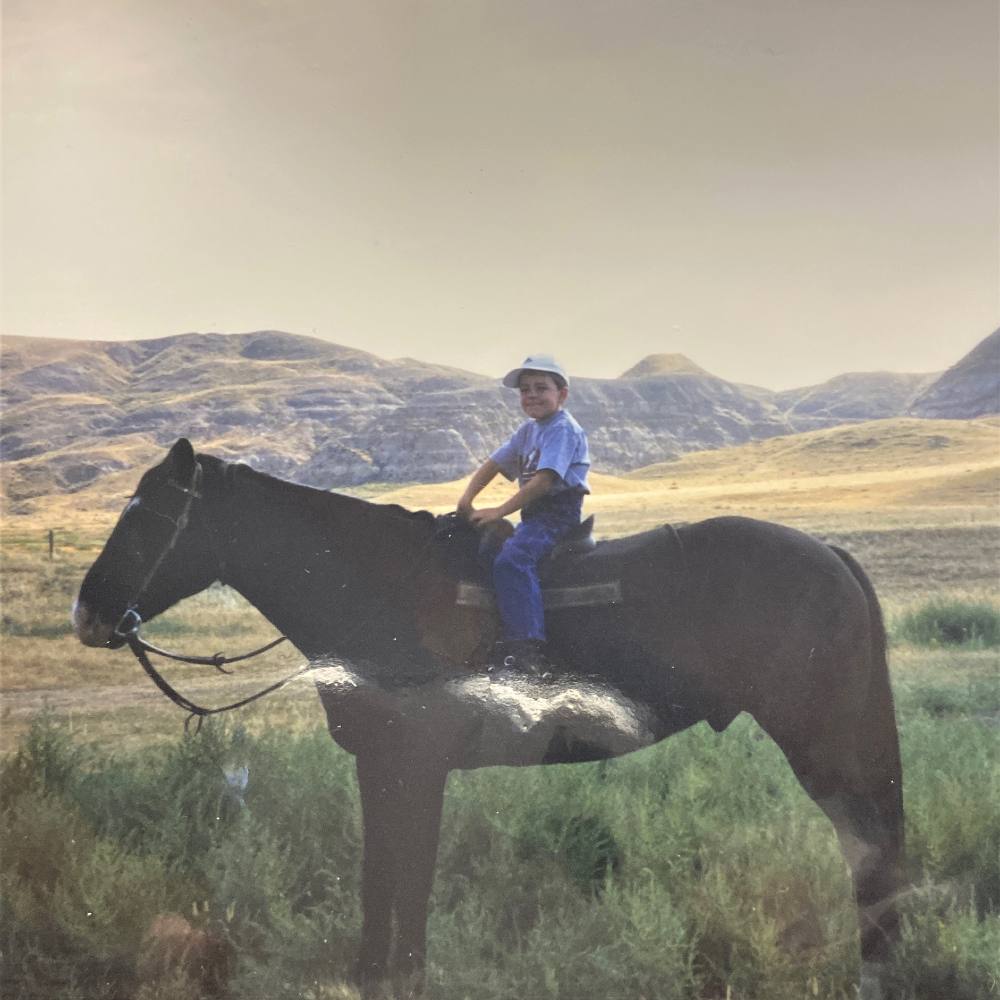
My earliest rodeo memories come from a time where I could barely walk. It was the early ‘90s and my dad was, and still is, the definition of a Canadian cowboy. Our family’s ancestral land borders the Calgary Stampede Ranch just south of Hanna, Alberta. My mother’s family helped found Millarville, still the heart of cattle culture in the Canadian Rockies (check out the Fischer cabin in Calgary’s Heritage Park Historical Village). They both had me in a saddle since before I can remember.
The bond between person and horse goes back to the beginning of culture, and is still represented by the rodeo. My early memories of being in the saddle with my parents sit alongside remembrances of sitting in the family’s barn trying out my new language skills on the livestock. Moses the horse quickly became my best friend at age four. My faint recollections of feeding him hay while telling him about my day are foundational, and probably why I still try to talk to every animal I see. It quickly became my duty to make sure Moses was happy at my mom’s horse shows and to keep my dad’s roping horse, Moon, fed and watered while we were travelling on the Team Roping Canada circuit.
Team roping is a sport where teams of two on horseback go one at a time on “runs” where a young cow is released, and the team lassoes the head and heels in the shortest time possible. Although not a part of big, televised rodeos like the Calgary Stampede, team roping is a sport with events across North America that continue to thrive to this day.
While still in diapers, it was my job to ensure my dad’s horses had the best care possible while on tour. I remember feeding horses treats, getting water from the nearest trough, and brushing them near constantly in between events. I was there for the horses, and they were there for my dad and me.
Proud new traditions
Today, Indigenous and gay rodeos are important features of the contemporary rodeo community.
Indigenous cowboys have always, and continue to, compete alongside settler competitors in conventional rodeos. But by the mid-1950s, a growing sense of injustice was brewing among Indigenous rodeo people. They were not getting a fair shake when compared to their white competitors in judged events. According to the Canadian Museum of History, Patty Rattlesnake from the Ermineskin Cree Nation in Hobbema, Alberta proposed the formation of an Indigenous rodeo association.
A separate rodeo circuit, operated by and for Indigenous people, was formed in 1962. It was called the All Indian Rodeo Cowboys Association, which was later renamed the Indian Rodeo Cowboys Association. The events are open to all spectators, and a great opportunity for the unfamiliar to explore the relationship between people and animals through the warm months of the year.
Although rodeo grows more inclusive year over year, the Indigenous circuit shows that, like many cultural institutions, rodeo does have a troubled history.
This is very true of the gay community. In the 1970s, Phil Ragsdale had an idea for a fundraiser for the seniors of Nevada, a rodeo where the only competitors were those shunned from the conventional rodeo community for being openly gay. The first gay rodeo was born.
The event spiralled into an extremely successful gay rodeo circuit across North America where gay cowboys and cowgirls can compete proudly without the fear of bias from judges, or stares from the stands. In 2022 gay musicians like Orville Peck, Brandi Carlile and Lil Nas X make country music hits, and rodeo has evolved alongside of the music to which it’s closely tied.
Closer to home, events such as the Cloverdale Rodeo & Canadian Rockies Gay Rodeo carry on a proud tradition of showing that gay rodeo people have always been present in the stands and in the rodeo circuit.
Among rodeo people, a chosen family
My current community values come from rodeo, and the community around rodeo is what makes it special. Remember the bonds that formed between you and your teammates when you played sports? Expand that to a community of cowboys, cowgirls and horses that numbers in the thousands worldwide.
I don’t think I fully knew who my parents were in my early years. As a baby and toddler, I was passed among team roping competitors and their families in the stands. De facto parental and sibling bonds formed as I sat with familiar adult faces on bleachers across North America and ran around with my “sisters and brothers” on the same rodeo grounds.
“It takes a community” is a given among rodeo people. There’s nothing quite like sitting on a competition horse amongst waiting competitors as a small child. The care the rodeo provided all of us youngsters with in our formative years produced what I think are some of the best doctors, lawyers and creatives working today, rekindling that community spirit we remember so well.
What the rodeo taught me
As I grew older, I began helping in the care of the cattle at the centre of team roping and in the operation of the events. The cattle were usually gathered into a pen the night before a roping. It was the job of us kids to make sure they had enough food and water to happily keep going toward the big day.
With the help of older cattle people, we would also look for any injuries or sickness that would make it unnecessarily cruel to put them at the centre of the next day’s event. In the event a cow didn’t look like it could handle the stress of a roping, it was let loose to rejoin its compatriots in its home field.
Entering my late teenage years, the rodeo world expanded still. Skiing and basketball ended a potential career in the sport early, but that didn’t stop my desire to participate in any way I could. The Brooks Kinsment Pro Rodeo, the Calgary Stampede and the Patricia Rodeo became yearly events around which my formative years revolved. First beers and puffs of joints came with getting to know the many people who built their lives around competing in rodeo events. Bronc riders, barrel racers, calf ropers and chuckwagon drivers expanded my world in many ways.
There was one constant. The care for their horses who were not only teammates, but deeply bound friends in ways words can’t quite capture. These were people who had decided to dedicate nearly every waking minute to animals, which instilled upon me a profound sense of empathy for the creatures with whom we share this world.
Even while cracking the first beer of the night after a long day of rodeo, competitors always had one eye on their partner horses. When their partnership resulted in a good day, there were laughs. And many tears shed when a horse got injured.
Now as an adult, I go back to the impromptu trailer parks and green pastures of my youth when the world seems overwhelming. The compounding stresses of judicial rulings south of the border, record breaking temperatures worldwide, and whatever the hell the “Freedom” Convoy is up to melt away when I remember helping cowgirls and cowboys feed their partners from hay-laden truck beds those many years ago.
When anxiety gets in the way, I go back to running with the Calgary Stampede horses near my family’s ancestral land.
Ranch and rodeo life is like smoke. Once it’s inside, you can never get rid of it. And it will always rise again. The life lessons I learned growing up around rodeo competitors and their horses have been invaluable in helping me become who I am. ![[Tyee]](/design-article.thetyee.ca/ui/img/yellowblob.png)
Read more: Media







Tyee Commenting Guidelines
Comments that violate guidelines risk being deleted, and violations may result in a temporary or permanent user ban. Maintain the spirit of good conversation to stay in the discussion.
*Please note The Tyee is not a forum for spreading misinformation about COVID-19, denying its existence or minimizing its risk to public health.
Do:
Do not: