


 SHARE:
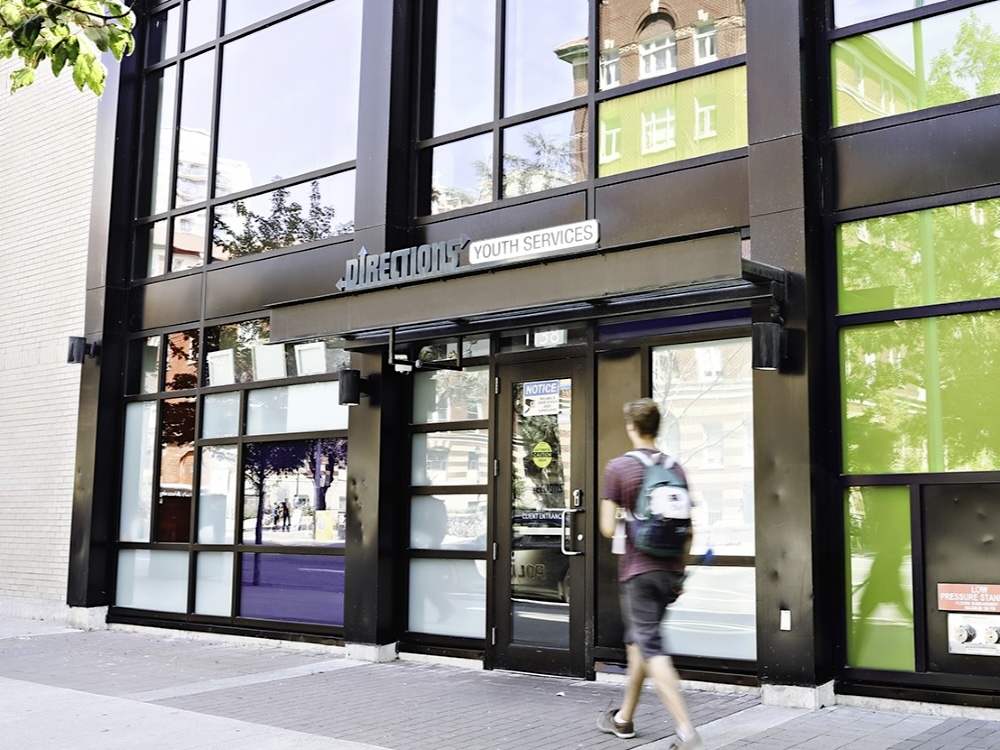
Family Services of Greater Vancouver, or FSGV, has been supporting unhoused youth for more than 30 years. From the vantage point of an organization doing this work 24-7, it’s time to move beyond sympathy for unhoused youth and start building up — at scale — the solutions that we know work.
Homelessness is a hot topic across the Lower Mainland, but 13-to-24-year-olds are too rarely centred in that conversation. When they are, outcomes improve for everyone: fewer people enter adulthood homeless, public systems spend less on crisis, and young people get the stable launch into adulthood that every human deserves.
In Vancouver and the surrounding region, the majority of shelter spaces are 19-plus with limited dedicated youth beds. Some 100 youth-specific shelter beds are available on a given night, yet according to the latest count, there are 172 unhoused youth in Greater Vancouver. The bottom line? Demand outstrips supply.
Capacity aside, the type of support young people receive is critical. Through its Directions Youth Services Drop-In Centre, FSGV provides youth with low-barrier services. This is essential, as those with the highest need are often those who struggle to overcome existing barriers in the first place. Directions is set up so that youth may walk in at any hour. They don’t need ID, and they don’t need to be sober. They can show up with their partner or their pet. Seven days a week, 365 days a year, youth are cared for.
This model is developed in consultation with young people directly. For years, staff have met with the Youth Advisory Council to get feedback about what youth want and need, and what is and isn’t working. Because the reality is that youth visiting Directions have varying needs — some need food and a place to sleep, while others might need pre-employment support. What is consistent across youth feedback is the importance of 24-7, low-barrier support that offers a variety of resources all in one place.
The benefit of having resources in one place is fuller, more tailored planning and support. That’s why the Directions Youth Services Drop-In Centre puts as many supports as possible under one roof. And it’s why FSGV believes our communities should keep investing in models like this — models that work and get youth what they need, when and where they need it.
Building capacity to support unhoused youth takes time. Direct-service organizations see the impact of programs immediately, but the broader community may not see large-scale impacts for years. With close to half of the unhoused adult population first experiencing homelessness under the age of 25, imagine the long tail of supporting those young people before their pathways become entrenched.
Every life impacted is worth it. The gap between the number of youth beds and the number of youth who need them tells a story: that our communities have work to do. The sooner we invest in the most vulnerable youth in our neighbourhoods, the sooner we can change that story.
Join the community supporting FSGV’s work and give today. ![[Tyee]](/design-article.thetyee.ca/ui/img/yellowblob.png)
This article is part of a Tyee Presents initiative. Tyee Presents is the special sponsored content section within The Tyee where we highlight contests, events and other initiatives that are put on either by us or by our select partners. The Tyee does not and cannot vouch for or endorse products advertised on The Tyee. We choose our partners carefully and consciously, to fit with The Tyee’s reputation as B.C.’s Home for News, Culture and Solutions. Learn more about Tyee Presents.










Tyee Commenting Guidelines
Please note that email notifications for replies are not currently working due to a software issue which may be resolved in a future update.
Comments that violate guidelines risk being deleted, and violations may result in a temporary or permanent user ban. Maintain the spirit of good conversation to stay in the discussion and be patient with moderators. Comments are reviewed regularly but not in real time.
Do:
Do not: