


 SHARE:
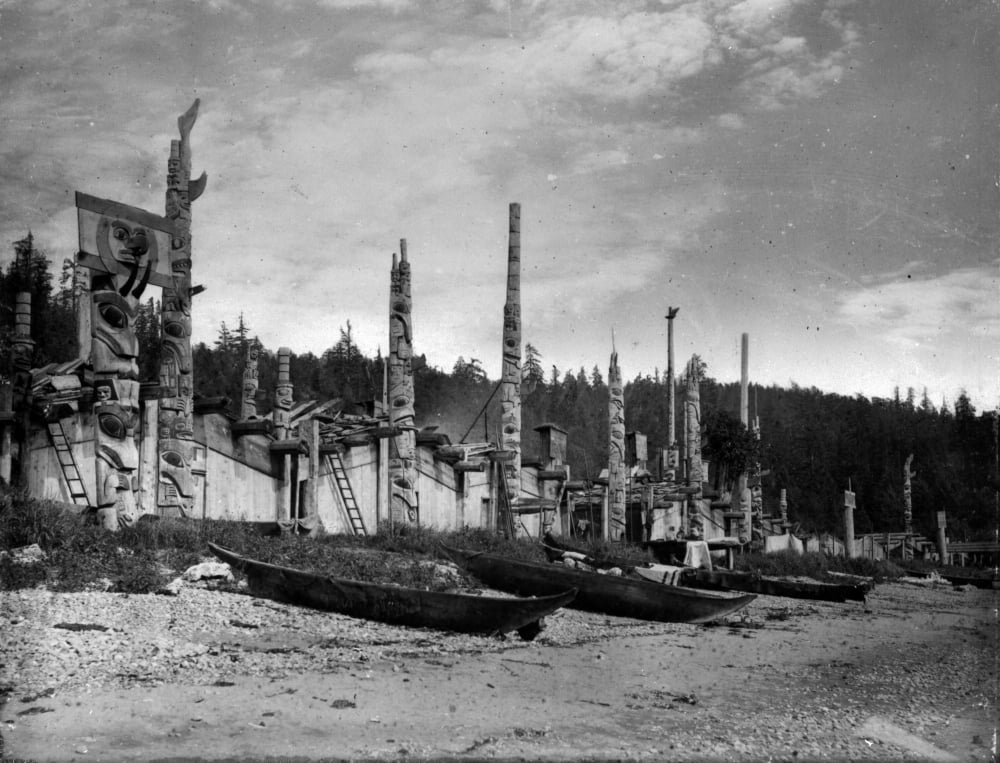
The B.C. Heritage Conservation Act is more than 30 years old, outdated and cumbersome.
It’s supposed to preserve and protect the heritage of British Columbians, including archeological sites. But it doesn’t work for anyone. Heritage sites aren’t protected and some property owners complain about the process.
The act has been undergoing a necessary transformation process. And now that’s being undermined by a group of organizations including the Union of BC Municipalities.
For over four years, a joint working group led by the B.C. government and First Nations has been working on amending the act, following the legislative process for change.
I have been on this group from the very beginning, as this was something First Nations had lobbied hard for, and I am well informed on everything that has been done.
The legislative process is in its third phase. In each of the first two phases, a paper was completed with various concepts and brought to First Nations, local governments, UBCM and other third-party organizations for input.
The responses were incorporated into the next paper and another round of engagements would begin to make sure input was reflected properly. Many, many meetings were held.
Local governments have been participating in the engagement process since it began in 2022. About 364 local government representatives have participated in various engagement sessions.
In last year’s round of engagement alone, the province gathered feedback from 101 First Nations, 90 local governments and four local government groups, along with 144 stakeholder organizations and 2,037 public surveys. Engagement has continued into 2026.
In March the province published a technical policy paper based on the previous rounds of consultations which outlined the main concepts for proposed amendments to the act. Comments on the paper were due April 23 after a one-month review period.
Through the four-year process, the working group maintained an evolving document intended to guide government staff who would draft amendments to the legislation. It explains the act, what changes will be made and the rationale for the change. As comments came in, it was revised based on the input.
Participants were required to sign non-disclosure agreements, pledging not to share information they received. No one likes to sign them, but they do in order to participate in the important process of making changes to an outdated act. I have directly asked the premier and attorney general on many occasions to change the requirement.
The revised document was finally shared with those who signed the necessary confidentiality agreements last week. There will again be consultations on this document and revisions based on input with the aim of introducing legislation to amend the act in the fall. This is the policy development process.
But the UBCM and groups including the Urban Development Institute, Association for Mineral Exploration, Mining Association of BC and the Independent Contractors Business Association refused to sign. Their statement states they’re concerned “they were excluded from a two-year co-development process between provincial and First Nation representatives.”
The groups are playing politics with this process in order to claim a greater role at the expense of other stakeholders. Their refusal to sign NDAs stops any further involvement by them in the process.
They likely think the government will bow down to them and stop the process. They do not want the amendments to the Heritage Conservation Act to go ahead in the fall as the government has committed.
The UBCM says its previous comments haven’t been considered in the latest technical briefing paper, a conclusion it draws because the paper was prepared in 14 days after the last round of submissions closed.
How does the UBCM know that when it hasn’t seen the revised document?
Two weeks is more than enough time to incorporate comments. And the UBCM offered its submissions on the latest version on April 1 and reported on it in the organization’s monthly newsletter. They were very positive about the paper and outlined seven areas they were concerned about and said changes had been made to address them. They referred to their November 2025 submission to the province where these concerns had been raised and had now been addressed.
They were also sponsoring another briefing session with government and encouraging members to get their submissions in on time.
UBCM has been involved in this process from the beginning. Their last-minute tactic aims to convince the government and the public they have been excluded.
The industry groups that have joined with the UBCM in trying to block changes to the Heritage Conservation Act have their own motives and are acting to advance the special interests of their members.
But the UBCM — which includes 14 First Nations in its membership — has a broader responsibility to the local governments it represents. I encourage its members to tell their organization to get back to the table and finish this important work, work that will benefit them in so many ways.
Many local governments work closely with First Nations. If the UBCM blocks these needed legislative amendments, that co-operation will be threatened.
I also encourage the province to not give into these bullying tactics.
UBCM delayed the HCA amendments once already by insisting on more engagement time. Which it got. That’s why the amendments are not before the legislature in the spring session.
Surely the government can see the games being played, accept the UBCM’s decision to abandon the process and work with others who want to shape the amendments.
I was shocked to read in a Vancouver Sun article that the BC Business Council said: “We do not support co-development arrangements with Indigenous people.” This is so insulting and unbecoming a professional organization that works closely with First Nations in order to get members’ businesses up and running and thriving.
There is a real fear — a real misunderstanding — fed by leaders and people in influential roles that First Nations are gaining too much power, that they are going to take away your land and resources.
This is so far from the truth! We are a self-governing people with rights under the Constitution Act. We have been around since time immemorial and been fighting for generations for our rights. Courts have recognized this, agreements have recognized this, international law has recognized this and it is time the governments and the people of this province do so as well.
If you care about heritage in this province, I encourage you to raise your voice to B.C. and tell them to get the amendments through. Raise your voices to UBCM and other organizations to not continue on their foolish path to stop or delay the legislation.
This process to amend the Heritage Conservation Act has been a good one with lots of engagement and input and that needs to be respected. ![[Tyee]](/design-article.thetyee.ca/ui/img/yellowblob.png)











Tyee Commenting Guidelines
Please note that email notifications for replies are not currently working due to a software issue which may be resolved in a future update.
Comments that violate guidelines risk being deleted, and violations may result in a temporary or permanent user ban. Maintain the spirit of good conversation to stay in the discussion and be patient with moderators. Comments are reviewed regularly but not in real time.
Do:
Do not: