

 SHARE:

Most people know someone affected by gender-based violence. A friend, a neighbour, a colleague. Theirs are stories of abuse, of courage and, for some, of how they finally escaped.
Consider the stories of two Lower Mainland women. Julia was 15 and pregnant when her social worker brought her to a Vancouver organization supporting survivors of gender-based violence. She was in a relationship with an abusive boyfriend after having just escaped her abusive father. She received counselling through the survivors’ organization, support that empowered her to eventually leave her boyfriend.
Meanwhile, Sara — a new immigrant to Canada — had nowhere to turn when her husband began abusing her. He was the only person she knew in the country until frontline support workers from the survivors’ organization helped her feel heard. They helped her apply for housing and employment so Sara and her children could escape her husband.
Every other day in Canada, a woman or girl is killed by femicide. These are our friends, our neighbours, our family members.
The Canadian Femicide Observatory for Justice and Accountability reported a 26 per cent increase in male-accused killings of women and girls from 2019 to 2024.
In 2025, 147 girls and women were violently killed in Canada.
In 2025, at least 29 femicides occurred in B.C.
And within the first week of 2026, two B.C. women were killed by former or current intimate partners. Their names were Pamela Jarvis and Laura Gover.
Rates of gender-based violence, and the needs of survivors seeking services, are skyrocketing in B.C.
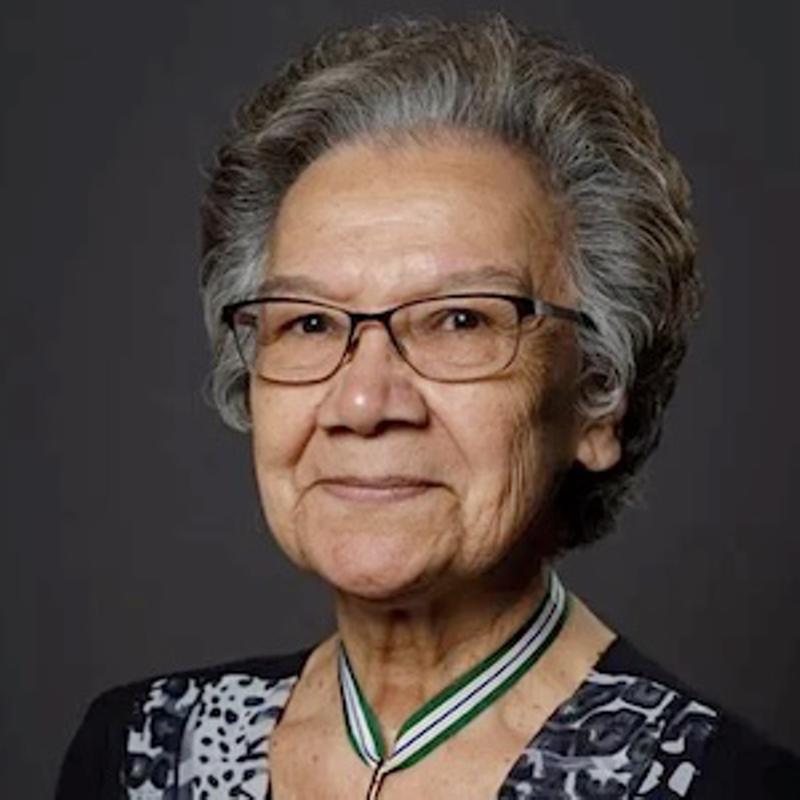
As the executive director of the Vancouver Aboriginal Friendship Centre Society, I advocate for some of the most marginalized populations in Vancouver. I see our frontline workers leading the charge to prevent and respond to gender-based violence.
But the frontline workers are struggling, and the system needs to change.
We recently partnered with the Simon Fraser University faculty of health sciences to publish a report on the challenges facing frontline workers in the gender-based violence sector.
Our findings are grounded in primary research involving interviews with people working in support of survivors of gender-based violence, from frontliners to policymakers, between 2023 and 2025.
The research findings offer context to the numbers we refuse to ignore: from 2023 to 2024, for example, Battered Women’s Support Services Association in Vancouver responded to 52,649 requests for service.
The system is broken, advocates say
Julia and Sara’s stories of finding support and forging new horizons in the wake of abuse are considered successes. But none of this work exists without communal support.
Frontline support workers in the anti-violence sector do vital work to help people like Julia and Sara. Workers provide a continuum of care to survivors — they respond to crisis lines and assist in safety planning. They provide housing and legal and mental health support. They also work in the community to prevent gender-based violence before it happens.
Many workers feel called to do this work because they’ve experienced violence themselves — and they want to make sure it doesn’t happen to someone else.
Doing this work stems from a commitment to helping people in crisis. And it brings sombre realities for those who do it.
Frontline workers hear stories of horrific violence committed against one’s neighbours. They are sometimes unable to find safe shelter for someone who badly needs it. They support traumatized clients as they face their abusers in court.
Sometimes, violence is directed at workers themselves. Workers respond to calls of women in immediate physical danger, and they can become targets of abusers as well. Lives are quite literally on the line.
While we’ve seen some movement by the B.C. provincial government in recent years, such as declaring gender-based violence an epidemic in 2025, the gender-based violence sector and the workers who support survivors every day are in crisis.
Research on frontline workers by the Vancouver Aboriginal Friendship Centre Society and SFU shows that frontline workers face unstable, insufficient funding. That means operating within fragmented and under-resourced systems, conditions that directly affect survivors and the services and care they can access.
Our research found that organizations responding to gender-based violence must divert precious time from service delivery to fundraising efforts just to try to meet the needs of survivors.
In just one day in 2021, 105 women and 35 children and youth seeking shelter in B.C. transition houses were turned away because there wasn’t enough space for them.
Our report paints a picture of understaffing, workload pressures and affordability challenges. Workers burn out due to stress, threats to their safety, trauma and overwork. The anti-violence sector faces high turnover and low wages. Organizations are losing staff faster than they can replace them.
Stories like these are the reason anti-violence advocates have been saying the same thing for years: the system is broken.
Our report calls for systemic interventions to better support the work of anti-violence organizations. We’re calling for increasing and sustaining funding for the sector, ensuring that all workers are paid a living wage, more effective workload management and better access to affordable housing.
When anti-violence organizations are adequately funded, they’re able to recruit, retain and train staff, and invest in professional development. They can offer workers better compensation and supports. They can improve service delivery and programming and meaningfully engage in violence prevention work to reduce gender-based violence in B.C.
This means shorter wait-lists and more resources and services to refer to, ensuring that fewer survivors fall through the cracks of the system and more find freedom like Julia and Sara did. ![[Tyee]](/design-article.thetyee.ca/ui/img/yellowblob.png)
Read more: Rights + Justice, Labour + Industry, Gender + Sexuality











Tyee Commenting Guidelines
Please note that email notifications for replies are not currently working due to a software issue which may be resolved in a future update.
Comments that violate guidelines risk being deleted, and violations may result in a temporary or permanent user ban. Maintain the spirit of good conversation to stay in the discussion and be patient with moderators. Comments are reviewed regularly but not in real time.
Do:
Do not: