


 SHARE:
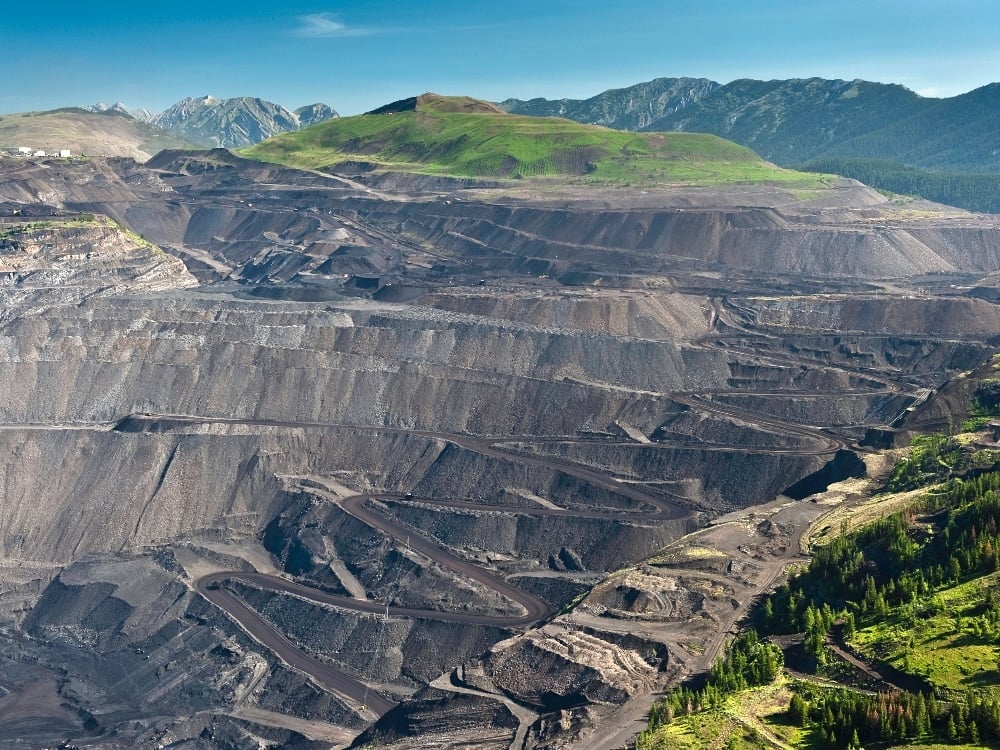
A friend of mine had failing grades in university. He said it wasn’t that his grades were poor; it was the impossibly high standards he was expected to meet. It would seem coal mining companies feel similarly aggrieved over water quality standards for selenium released by ripping mountains apart.
Selenium is one of those elements liberated when rock atop mineral deposits is blasted and cast off in valleys. A little selenium is necessary to life, but the tipping point to being a nasty, toxic pollutant is low. Exposure in aquatic animals and plants at or near the bottom of the food chain, even at very low concentrations, has serious repercussions, especially in fish.
Current federal standards for selenium, based on the science of ecotoxicity, include a “warning” level when one microgram per litre of selenium is detected downstream of a mine. Such readings are supposed to trigger additional monitoring, with a biological limit set at two micrograms per litre. Anything above that limit is considered to be harmful to aquatic species and can lead to penalties for those determined to be responsible.
However, a single measurement is not sufficient to predict accumulation of selenium and its ultimate toxicity in fauna. Those consequences depend on differences between species and where they are found. Simply assuming a single concentration offers a blanket of protection for all aquatic life is deemed unwise by experts.
Imperfect as these standards might be, rivers downstream of existing and legacy coal mines in B.C. and Alberta have selenium concentrations that regularly fail to meet the two-micrograms-per-litre standard. Instead, they are consistently many times higher, including after wastewater treatment by coal companies to remove selenium.
The impacts of higher concentrations of selenium ripple through watersheds and through food chains. Trout have been significantly impacted in B.C.’s Elk River watershed and Alberta’s Crowsnest and McLeod watersheds, providing mute testimony to the consistent government and corporate inability or unwillingness to protect water quality and aquatic ecosystems.
The inability of industry to meet the current selenium standards has resulted in significant fines and an intense lobbying effort to allow much higher concentrations than are safe to protect downstream water quality.
Environment and Climate Change Canada has responded to industry wishes with new proposed coal mining effluent regulations. The government has proposed new end-of-pipe water quality standards for selenium that would allow a maximum monthly mean of 10 micrograms per litre and a maximum concentration of 20 micrograms per litre for individual water samples.
But it is unrealistic to evaluate the pollution of mountaintop removal coal mines by measuring end-of-pipe treatment as if they were effluents from a city.
Mining companies think they can meet the new standards — and save money — by using passive technologies. But independent experts like Bill Donahue have panned these new “standards,” saying they are licences to pollute and will fail to protect aquatic life. He says the proposed federal government changes have no basis or support in science and are “a capitulation to the coal industry.”
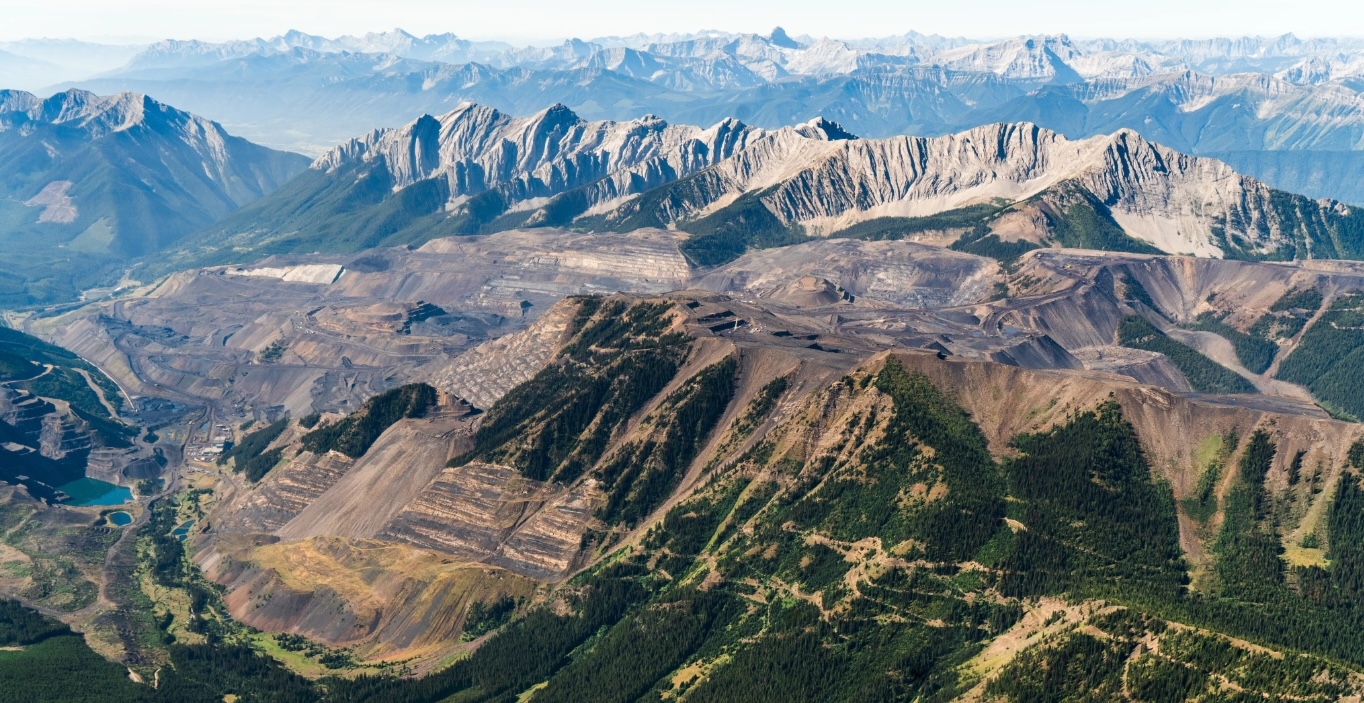
B.C. and Alberta coal mines have displaced hundreds of hectares of shattered rock overburden. In the Elk Valley of B.C., the province has estimated 20 billion tonnes of waste rock exist. This rock overburden is subject to weathering that releases selenium (and other toxic elements). The industry knows that actively treating all that rock to achieve water quality standards would be prohibitively costly.
Industry and regulators know that a regulatory focus on downstream environmental impacts is the worst-case scenario for coal mining — after all, these proposed regulations are a carve-out from existing legal restrictions on the release of environment-damaging substances into aquatic ecosystems.
Unfortunately, this approach is too common. We are constantly besieged by industry telling us it is too expensive to protect the environment. Sacrificing environmental protection to promote short-term economic development is a classic example of the tail wagging the dog.
Industry tells government that high standards hamper economic growth through unnecessary regulations, onerous monitoring and occasional legal penalties. It is unconscionable and a violation of the public trust for government, with a mandate for protection of the public good, to acquiesce to the demand for less protective water quality standards. This is especially clear when the financial benefits of coal mining in Alberta are limited, especially compared with the environmental costs.
Meanwhile, in B.C., the environmental costs have been ignored in favour of coal mining. B.C. has suggested “targets” for selenium that are economically feasible. Those targets were written by industry in 2014 and are orders of magnitude higher than the accepted biological limits. These have been accepted without change by the B.C. government in its 2025 Elk Valley Water Quality Plan. Industry can’t capture enough selenium to meet meaningful standards, but it has captured the provincial government.
Selenium is just one of the many harmful compounds in coal mine tailings and runoff, which are loaded with heavy metals, nitrogen and other elements that can have significant downstream effects, including on water used by agriculture.
If coal companies cannot make the grade for the protection of aquatic life (and ultimately downstream human uses), it is unwise for the federal government to lower the standards.
If the coal industry is not asked to adhere to scientifically derived standards for water quality, there will be a cost. That cost will come in the form of polluted rivers and lakes, fish and wildlife losses, and the risk to human uses of water that will have to be endured over time. Trying to fix what is broken will come with a massive cleanup bill paid from the public purse.
The lowering of standards for coal-mining-generated selenium requires ignoring science. Our federal laws preventing the release of deleterious substances into water bodies were designed to prevent harm to fisheries and are based on science. What we see now is a betrayal of that process and aim solely to enable coal mining and satisfy shareholders.
We should not have to write an obituary on the use of science to protect us from corporate greed and government breach of trust. ![[Tyee]](/design-article.thetyee.ca/ui/img/yellowblob.png)
Read more: Energy, Alberta, Environment










Tyee Commenting Guidelines
Please note that email notifications for replies are not currently working due to a software issue which may be resolved in a future update.
Comments that violate guidelines risk being deleted, and violations may result in a temporary or permanent user ban. Maintain the spirit of good conversation to stay in the discussion and be patient with moderators. Comments are reviewed regularly but not in real time.
Do:
Do not: