


 SHARE:
The British Columbia government is mostly meeting its goals for poverty reduction, yet the province’s poverty rate remains the highest in Canada.
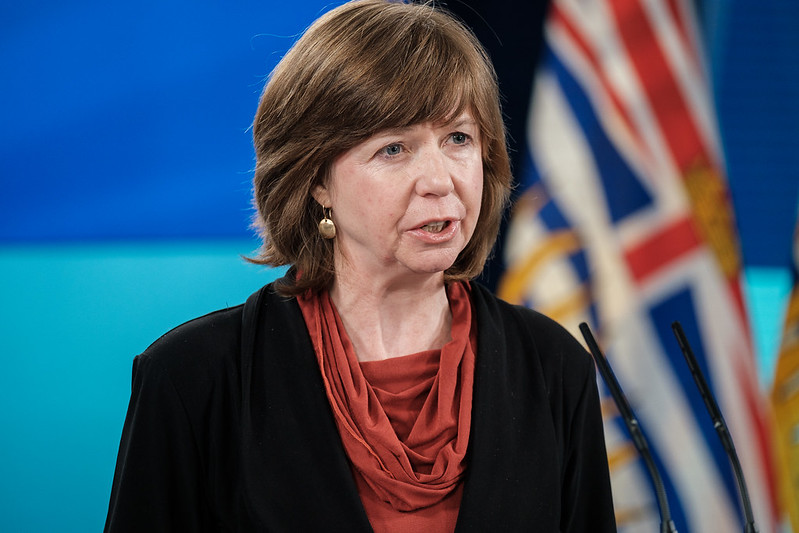
“While we know there is still more to do, the latest available data shows that we are making progress,” Social Development and Poverty Reduction Minister Sheila Malcolmson said in the introduction to the annual report on the 2024 Poverty Reduction Strategy that she delivered to the legislature in April.
“Since 2016, we have reduced the overall poverty rate by 29.4 per cent, the child poverty rate by 36.2 per cent, and the seniors’ poverty rate by 20.9 per cent,” Malcolmson said in the 119-page report. “This means that in 2023, there were 161,000 fewer people living in poverty, including 48,000 children. I know our poverty reduction plan will be instrumental in continuing to guide our work to support people.”
When the government launched the poverty reduction strategy in 2018, it set legislated targets of a 50 per cent drop in child poverty and a 25 per cent drop in overall poverty by 2024.
A few years ago, as federal and provincial governments increased supports through the COVID-19 pandemic, it had achieved those goals. It has since backslid and child poverty has risen, so the province no longer meets its target.
This year’s report drew on Statistics Canada figures from 2023, which were released in the spring of 2025 and were the most recent available when the report was written. It used the Market Basket Measure, which it described as “the official way to determine who’s living below the poverty line and track progress towards poverty reduction.”
Based on the costs of food, clothing, transportation, shelter and other goods and services, the measure considers family income and size, as well as where they live, to determine if they fall below the poverty line.
By law, B.C.’s report on poverty reduction was due last Oct. 1 and should have been tabled in the legislature as soon as possible after that, but the government says it was delayed because of the BC General Employees’ Union strike.
The delay meant that the report became available right around the same time that Statistics Canada provided poverty figures for 2024, making it immediately a year out of date.
“Among the provinces,” Statistics Canada found, “British Columbia had the highest poverty rate in 2024, at 13.0 [per cent], followed by Ontario, at 12.5 [per cent]. Both were relatively unchanged from 2023.” Only the territory of Nunavut, at 31.7 per cent, had a higher rate of poverty.
For people under 18 years old, the poverty rate in B.C. was 12.6 per cent, which was nearly double what it was in 2020. For both years the rate in B.C. was above the Canadian average.
The province with the lowest overall rate of poverty in 2024 was Quebec, at seven per cent, which was a small drop from the previous year.
Malcolmson told The Tyee she’s not surprised B.C.’s poverty rate is higher than in other provinces. “Well, cost of living here is so high,” she said. “I mean, everybody across the country, there's been a lift in everything, cost of food being the major driver, and because cost of living has been stubborn, really high in B.C. We’re certainly feeling that in communities.”
The B.C. government has taken steps on funding child care, providing benefits for families with children and increasing the minimum wage that have helped, but there’s more to do, Malcolmson said. “The imperative is clear to continue to invest more.”
The drop in the poverty rate since the NDP formed government in 2017 is significant, Malcolmson said, adding that the previous government froze income assistance rates for 10 years and had no plan to reduce poverty. The government has expanded supports for workers and reduced barriers to employment training, she said.
“I hear the stories one at a time of the people that have made it through and that's why the work, especially for complex individuals who haven't been able to get into or stay in the workplace, that's why those investments and the federal money that we're taking to help do that work continues to be important,” she said.
The building of major projects and making sure the jobs are unionized and connected to communities is important, said Malcolmson. “We know that the very best remedy for poverty is a good paying job.”
The federal Canada Disability Benefit and spending on dental care have also helped, she said.
The province updated its targets last spring and now aims “to reduce poverty by 60 per cent for all people, 75 per cent for children, and 50 per cent for seniors by 2034” from 2016 levels.
The annual report included commentary from the ministry’s Poverty Reduction Advisory Committee, the dozen members of which include representatives of municipalities, non-profits, academia, Indigenous organizations, labour and people with lived experience.
“We commend the Government of B.C. for sustained investments in areas that target drivers of poverty including housing, food security, child and family well-being, and income supports,” the committee said. “B.C. has met its legislated target to reduce overall poverty by 25 per cent. However, it hasn’t yet reached the goal of cutting child poverty in half.”
Cutting child poverty by more than a third was substantial, the committee found, but “more policy effort needs to be aimed at children, especially those children in female-led single-parent families who have experienced a significant increase in their poverty rate since 2020.”
According to the most recent figures from Statistics Canada, the poverty rate in 2024 for children living in one-parent families in B.C. where the parent is a woman was 30.3 per cent.
The main credit for reducing income poverty between 2015 and 2019 goes to the federal government, the advisory committee said, noting that the Canada Child Benefit and increases to other income support programs had made a difference.
“To continue building on this progress, the Committee urges sustained and strategic investments in areas that impact poverty beyond income alone, such as housing, food security, equitable service delivery, education access, and support for the non-profit sector,” it said, adding that all benefits should be increased annually to keep up with inflation. ![[Tyee]](/design-article.thetyee.ca/ui/img/yellowblob.png)
Read more: BC Politics











Tyee Commenting Guidelines
Please note that email notifications for replies are not currently working due to a software issue which may be resolved in a future update.
Comments that violate guidelines risk being deleted, and violations may result in a temporary or permanent user ban. Maintain the spirit of good conversation to stay in the discussion and be patient with moderators. Comments are reviewed regularly but not in real time.
Do:
Do not: