


 SHARE:
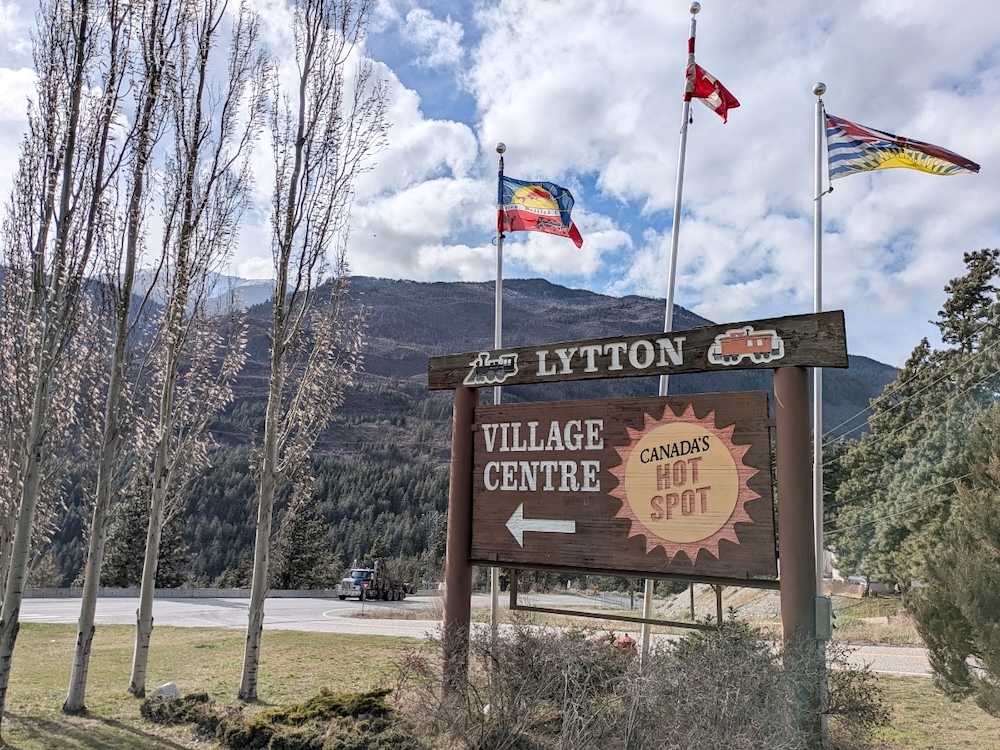
A report by B.C.’s auditor general has again highlighted the fitful progress of rebuilding the fire-struck village of Lytton.
The report, which was released Tuesday, revealed that the province had provided $51 million to the Village of Lytton as of last March. Construction, however, had started on only a few dozen buildings.
At a press conference Tuesday, auditor general Bridget Parrish said that although some of Lytton’s financial reporting had been deficient, its administrative and rebuilding challenges were mostly the result of a tangle of factors, including the tiny municipality’s inability to lead its own recovery after a fire that wiped out its records and scattered its small staff to distant communities.
Parrish called on the province to develop policies to assess the ability of local governments with limited capacity to lead their own disaster recovery. It also suggested the province could do more to facilitate co-operation between Indigenous governing bodies and local governments following disasters.
The report largely described rebuilding challenges that have already been widely reported since the 2021 Lytton Creek fire destroyed 90 per cent of the village’s structures.
Lytton Mayor Denise O’Connor told The Tyee she wasn’t surprised by the report’s findings.
“It was pretty reflective of our challenges,” she said.
O’Connor said she had initially hoped the report would provide more details, but that she now accepts it is focused on the role of the province and its rules and policies in responding to events like the Lytton fire.
The Lytton Creek fire broke out near rail tracks just south of town at the height of the 2021 heat dome and with temperatures approaching 50 C — the village had set a new Canadian record the previous day with a reading of 49.6 C. The fire destroyed dozens of structures and killed two people as flames swept through the tiny village, the adjacent Lytton First Nation reserve and across a broad rural area.
The cause of the fire has never been conclusively established. Forestry officials initially linked a passing train to the blaze but later backtracked. An RCMP investigation did not conclusively determine what caused the first sparks. The case remains the subject of a class-action suit, with Lytton residents suing Canadian National and Canadian Pacific railways. In December, a judge ruled the case could proceed to trial after new evidence was disclosed about high brake temperatures on a train passing through the community.
Although Lytton had fewer than 300 residents when it burned down, the village served as a commercial and public service hub for a sprawling rural region. Immediately after the fire, then-premier John Horgan pledged Lytton would be rebuilt as a “community of the future.” But rebuilding has been painfully slow.
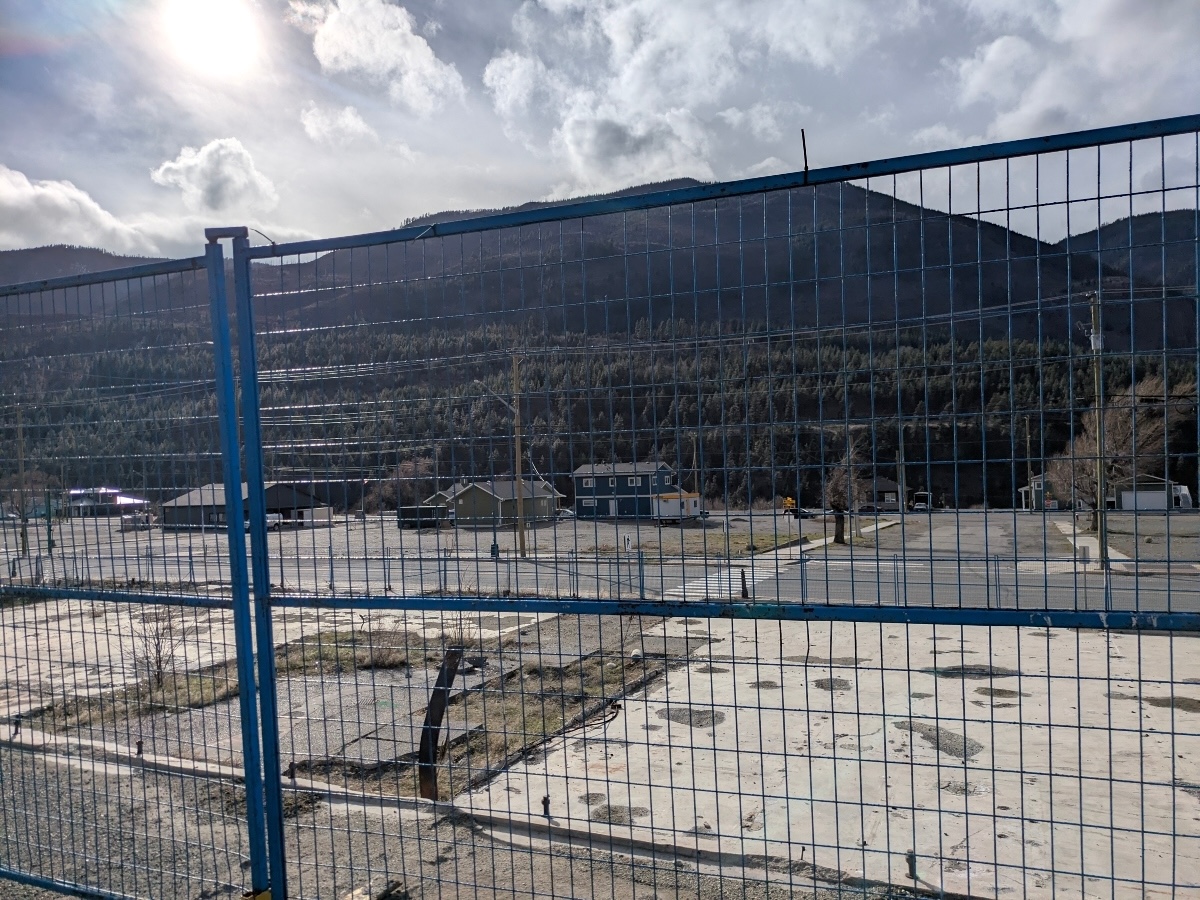
After the fire, months passed before debris was removed. It took years to fully remove contaminated soil and prepare properties for rebuilding, and construction didn’t start on the first new village home until December 2023.
Today, nearly five years after the fire, new homes are spread across the village’s townsite, but most properties remain vacant and its once vibrant main street remains largely devoid of structures. No new commercial buildings have been constructed in town since the fire, and regional and provincial authorities have yet to rebuild public service buildings that once drew rural residents to the village.
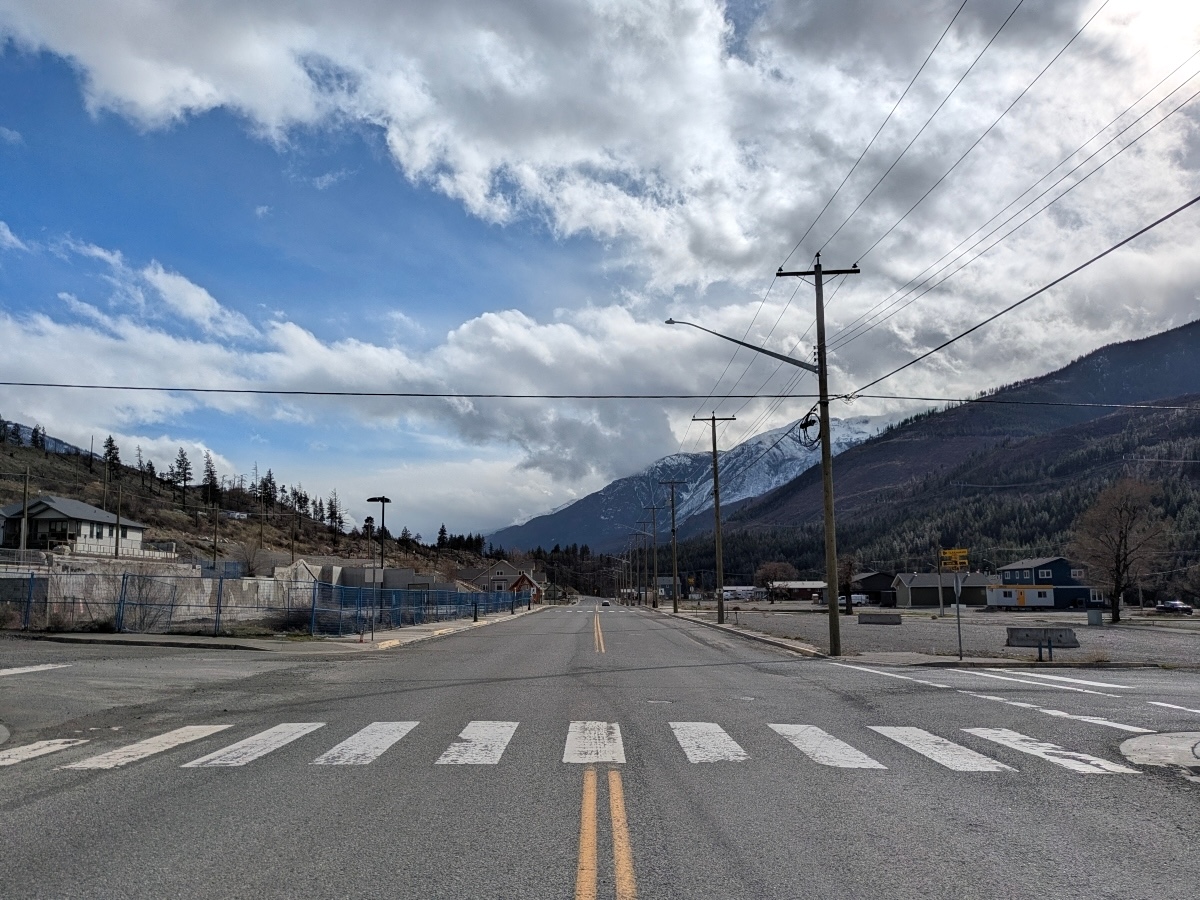
Many services have returned to the area, but most are now located on a Lytton First Nation reserve two miles north of the townsite.
O’Connor is optimistic that the community will continue rebuilding, even if it will take longer than previously hoped.
But at a council meeting last week, councillors discussed the building of a new two-storey town hall that would include commercial units on the ground floor.
Coun. Jessoa Lightfoot said she would normally be wary of competing with other commercial landlords but noted that “there are no other retail spaces and I don’t see any appearing in the short term, maybe in the long term.”
Rebuilding delays and the auditor’s report
The rebuilding of Lytton has been slowed by man-made and natural obstacles.
The 2021 atmospheric river and subsequent heavy snow severed the community from services and experts in the Lower Mainland. Even after access was restored, the village’s isolated location has made rebuilding difficult.
After the fire, many former residents resumed their lives in other communities. Today, many key village staffers, including the chief administrative officer, work remotely and live elsewhere.
The rebuilding challenges have also been complicated by the need for soil remediation and archeological work because of the existence of known Nlaka’pamux archeological sites in the village.
The auditor general’s report highlights the unique challenges presented by Lytton’s small size, remote location and comprehensive destruction. The report notes that provincial frameworks that empowered local governments to lead recovery efforts after natural disasters left Lytton and its overwhelmed contingent of politicians and staffers with an impossible task.
The report also notes that the Lytton fire burned the village office, all its records and its backup server.
Two of the auditor general’s three suggestions involve anticipating and evaluating the ability of local governments to lead their own recovery process.
That finding isn’t new. The province previously acknowledged it, with former emergency management minister Bowinn Ma revealing that before the 2022 election, she considered disbanding Lytton council because of its inability to meet the momentous task before it.
The auditor general’s report itself comes nearly two years after work on it started. Parrish attributed the long timeline to the complexity of the issue and staff turnover in the office. Parrish herself was only appointed to the position in December. Michael Pickup, the auditor general who started the investigation, left the office in November 2024, with Sheila Dodds taking over as interim auditor general.
Indigenous consultation
The auditor general also examined the involvement of the local Nlaka’pamux people in the Lytton recovery process and found a lack of collaboration.
The report found that the provincial government’s “attempts to facilitate a collaborative partnership were unsuccessful” and that early efforts did not result in joint recovery activities on the Lytton First Nation reserve and in the municipality.
The report said that although the Lytton First Nation and the Nlaka’pamux Nation Tribal Council offered to provide land for interim housing, the offer didn’t result in action.
The report also said the tribal council wanted the province to intervene.
“The tribal council told us it was frustrated that the province did not compel the village to work with them on other aspects of the recovery.”
Asked at a Tuesday press conference if there was anything in the report that local officials might be able to learn from, Parrish highlighted the opportunity for more extensive collaborations with local First Nations.
The report, however, also missed an opportunity to add to the conversation, according to the Nlaka’pamux Nation Tribal Council.
In a statement included in the report, the tribal council wrote that it was appreciative of the Office of the Auditor General’s attempt to understand their perspective, but disappointed that the investigation didn’t examine governmental follow-through on commitment letters sent by the provincial and federal governments to the tribal council and Lytton First Nation shortly after the fire.
“Systemic constraints barring the OAG from examining the implementation of the commitment letters has resulted in a very significant missed opportunity resulting in only part of the story of recovery being examined,” the tribal council said.
Financial accountability
The auditor general also looked at how provincial recovery funds were distributed to the Village of Lytton.
Parrish found that between July 2021 and March 2025, $51 million had been provided to the municipality for recovery work. Another $13 million has been committed but not yet used by the village.
The auditor general found that formal reporting was “incomplete” in 2022 and 2023, though Emergency Management BC staff worked directly with village staff and provided updates on the use of the funds in meetings and other ongoing reporting. The auditor general said a lack of formalized reporting meant that “the province could not say with certainty how funds were spent.”
The report says “frequent changes in village management resulted in information gaps.” Emergency Management BC later contracted an outside auditor who could not locate many contracts for goods and services procured with the funds.
The auditor general’s report does not provide any new or additional details on exactly how the $51 million was distributed, or whether it was allocated or spent in a cost-efficient manner.
Citing gaps uncovered in previous audits and examinations, Parrish said her office believed seeking further financial investigation would prove futile.
“We didn’t expect to be able to find the information to be able to categorize what it was spent on,” Parrish said.
The Village of Lytton signed a new agreement with the province in January 2024. Since then, the village has met reporting requirements, the report said.
If you have a story tip, contact reporter Tyler Olsen in confidence via email. ![[Tyee]](/design-article.thetyee.ca/ui/img/yellowblob.png)
Read more: BC Politics, Environment






Tyee Commenting Guidelines
Please note that email notifications for replies are not currently working due to a software issue which may be resolved in a future update.
Comments that violate guidelines risk being deleted, and violations may result in a temporary or permanent user ban. Maintain the spirit of good conversation to stay in the discussion and be patient with moderators. Comments are reviewed regularly but not in real time.
Do:
Do not: