


 SHARE:

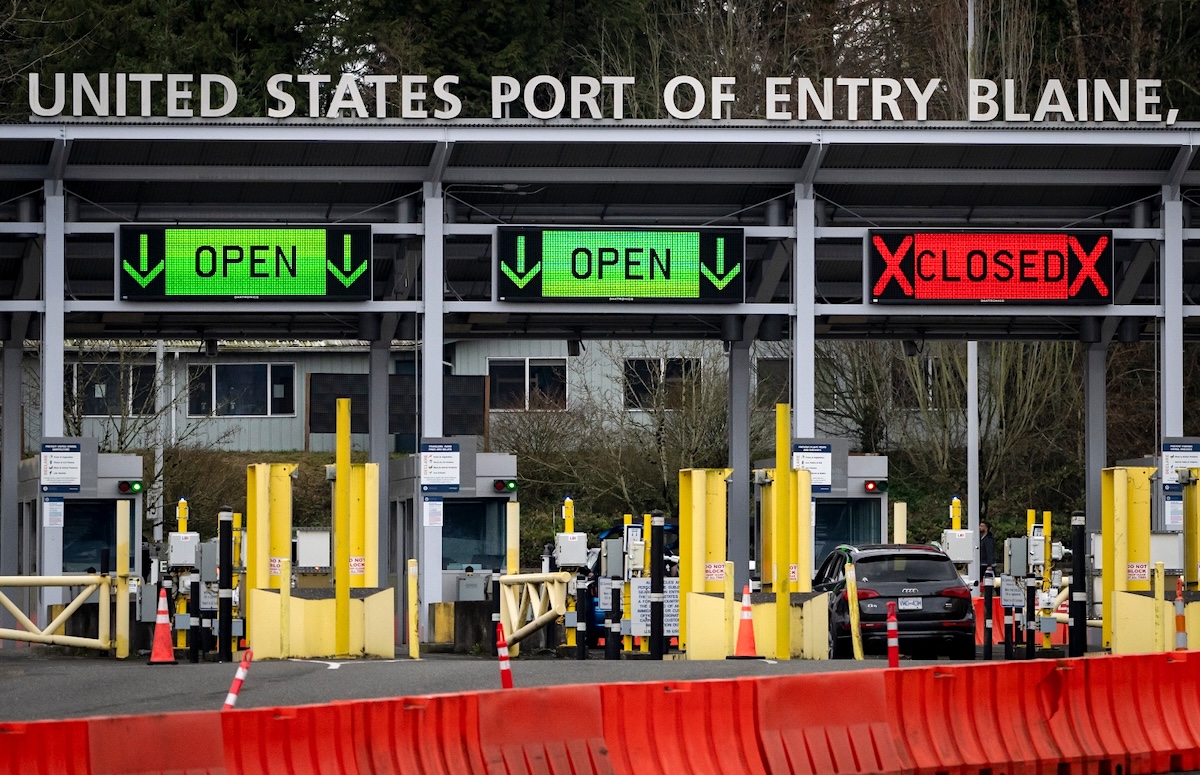
Indigenous Canadians are being urged to use caution when crossing the border into the United States after reports of “increased scrutiny” by U.S. federal officials.
In a statement posted to social media, the Assembly of First Nations said it “has heard reports that some First Nation citizens have been subjected to increased questioning and detainment” by U.S. Immigration and Customs Enforcement, also known as ICE.
“The AFN strongly condemns these actions,” the statement continues.
On Friday, AFN National Chief Cindy Woodhouse Nepinak told the Canadian Press that the organization is “deeply concerned regarding the ongoing harassment and blockage of First Nations people attempting to cross the Canadian-United States border.”
She said the actions are a “violation of inherent rights” and a breach of the Jay Treaty, a 1794 agreement that guaranteed the right of Indigenous people born in Canada to live and work in the United States.
Woodhouse Nepinak called on the Trump administration to uphold First Nations’ right to “cross the border without harassment or undue hindrance.
“Border agents and ICE officials must be properly trained in recognizing and legitimizing tribal identifications, including status cards,” she said. “First Nations have been on these lands long before the border line was drawn.... The border affects First Nations’ daily movement, traditional practices, economic opportunities and the family and cultural ties with our Native American relatives.”
She called on the Canadian government to “affirm and support First Nations border mobility and take steps to ensure rights to be upheld in the face of imperialistic bullying from the Trump administration.”
In a statement to The Tyee, Global Affairs Canada said it is aware of “multiple cases of Canadians currently or previously in immigration-related detention in the U.S.” and added that countries can decide who can enter or exit through their borders.
“Status cards are generally accepted at U.S. land and sea border crossings, but their acceptance remains at the discretion of U.S. authorities,” spokesperson Thida Ith wrote. First Nations travellers are also encouraged to bring additional government-issued photo identification, such as a Canadian passport, which is required when crossing the international border by air.
The federal government’s current advice to Canadians considering travel to the United States is to “take normal security precautions.”
The AFN’s warning comes amidst rising tension in the United States over immigration sweeps by federal agents that resulted in more than 300,000 arrests last year, including the arrest and detainment of dozens of U.S. citizens, many of whom were held for more than a day.
According to a recent report by the American Immigration Council, ICE detentions have increased 75 per cent over the past year, from about 40,000 people in detention last January to nearly 66,000 people by December. That represents the highest detention level in U.S. history, and the number is expected to grow by more than 50 per cent in the coming year.
While ICE is responsible for enforcing U.S. immigration laws, news reports show that it has repeatedly arrested and detained U.S. citizens in sweeps that have sparked fierce criticism and prompted protests in places like Minneapolis, Los Angeles and Portland.
Two U.S. citizens have been killed over the past month while protesting ICE activities in Minneapolis. Renee Good and Alex Pretti were both shot by federal agents at close range.
Despite their U.S. citizenry and ancestral roots in North America, several Indigenous Americans have been arrested during the immigration crackdown, raising concerns that racial profiling rather than evidence of illegal immigration is driving enforcement activities.
Earlier this month, the Washington Post reported that multiple Indigenous families in the United States had reported loved ones who were “stopped, questioned, harassed and, in some cases, detained solely on the basis of their skin color or their names.” Those detained included a man of Ojibwa descent in Minnesota and several members of the Oglala Sioux Tribe in South Dakota.
The Nooksack Indian Tribe, which is headquartered in Washington state but has traditional territory extending into southern B.C., posted a statement in December warning that ICE agents were in the area surrounding its reserves and asserting that “federal immigration enforcement... has no jurisdiction over the Nooksack Tribe, our lands, or our enrolled members.”
Other nations with territories spanning the international border in Eastern Canada and the United States that have issued warnings include the Rainy River First Nations, Saint Regis Mohawk Tribe, Garden River First Nation and Six Nations of the Grand River.
Responding to the AFN’s recent warning, Ontario Regional Chief Abram Benedict told the Canadian Press that a First Nations man was detained and had his status card seized by ICE before being returned to Canada.
“He was lucky that he didn’t have more of a negative interaction with them, and that he wasn’t put into the deportation system,” said Benedict, who is also co-chair of the Jay Treaty Border Alliance.
“The last thing we want is one of our First Nations citizens being in a detention centre and having to go through this whole rigmarole processing process that can be very intrusive and, frankly, unnecessary,” Benedict said.
In a Jan. 16 statement, the Native American Rights Fund condemned ICE’s “unlawful actions” and said it stands with U.S. residents — regardless of where they were born — “who are getting ripped away from their families or violently apprehended for their lawful efforts to protect their communities.”
The organization said the impacts on its membership showed that skin colour and race were behind the ICE activity.
“Across Indian Country, we are seeing Native American people illegally stopped, abused, or detained by ICE agents. It is hard to miss the irony of locking up the first people of this land in an immigration sweep,” Native American Rights Fund executive director John Echohawk said. “It’s indicative of the racial profiling that is happening, and we refuse to stand by while the United States government abducts Native people.”
The U.S. Department of Homeland Security has not responded to media requests for comment on the incidents. In a statement issued in October, it said “ICE does NOT arrest or deport U.S. citizens,” despite evidence to the contrary. ProPublica counted more than 170 U.S. citizens who have been detained.
The AFN has advised First Nations people travelling to the United States to carry valid identification, including a status card and Canadian passport, and to contact Indigenous Services Canada for any urgent processing requests. It cautioned that ICE officers may not be familiar with status cards and directed Canadian citizens to contact the consulate at 613-996-8885 in an emergency.
*Story updated on Jan. 28 at 12:15 p.m. to include a statement from Global Affairs Canada. ![[Tyee]](/design-article.thetyee.ca/ui/img/yellowblob.png)
Read more: Indigenous, Rights + Justice






Notice about commenting changes
The Tyee’s commenting system will be moving to a new platform on Nov. 12. If you’re already a Tyee commenter you must register with the new system on or after Nov. 12 with your preferred username.More information can be found here.