


 SHARE:
[Editor’s note: This story contains mentions of suicide. If you or someone you know is in need of help, you can call or text the National Suicide Crisis Helpline at 988.]
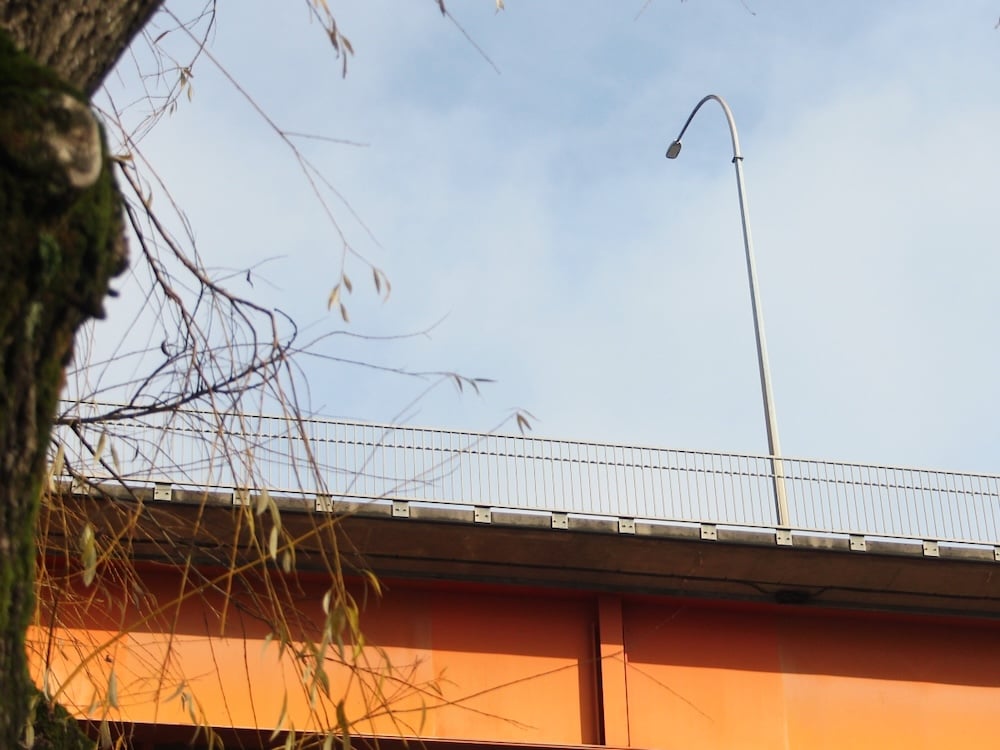
Phones linking people in crisis to mental health professionals are set to be installed on an aging Fraser River bridge where dozens of people have tried to take their own lives over the last decade.
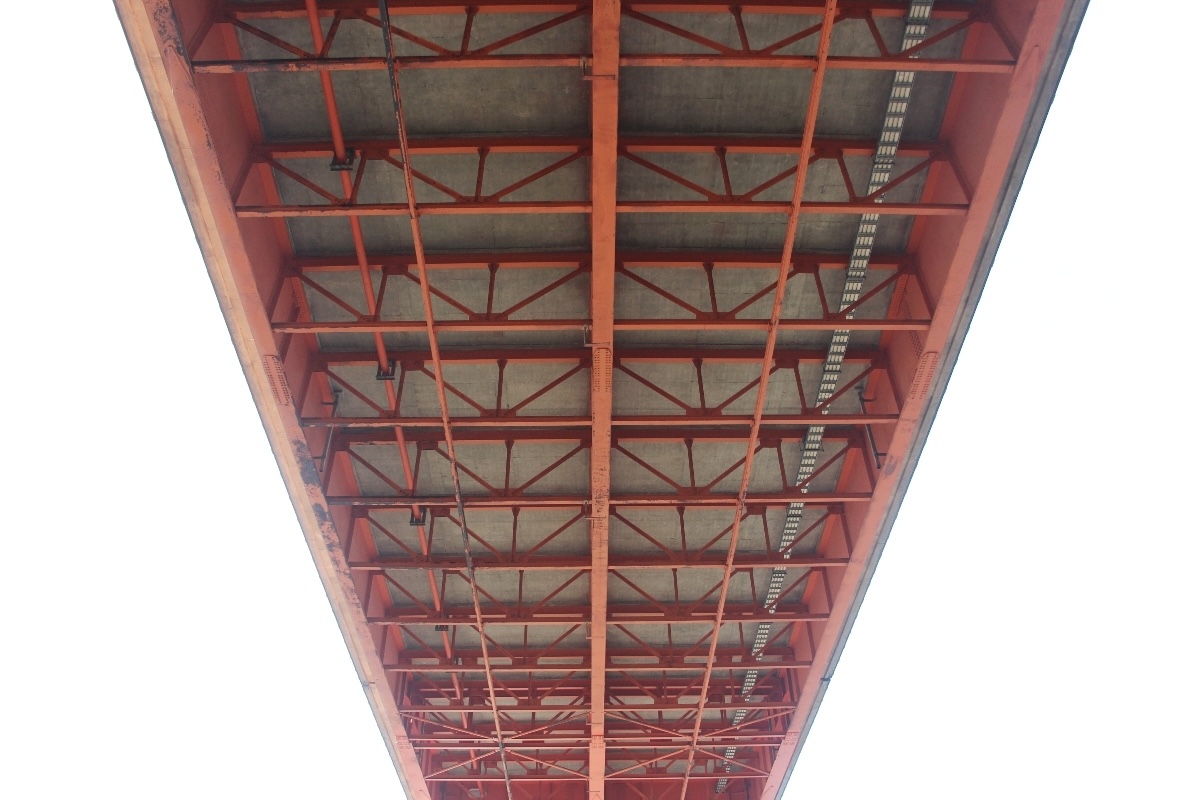
But the bridge won’t be getting structural improvements such as netting or higher railings to block people from jumping because engineers say the crossing — like two other prominent crossings — can’t physically accommodate them. (The Tyee is not naming the bridge or its location, following best practices for media coverage about suicide.)
Stacy Ashton, the executive director of the Crisis Intervention & Suicide Prevention Centre of BC, says that while the crisis call boxes are better than nothing, they aren’t a solution.
Ashton says more creativity is needed to find structural solutions for aging crossings.
“Barriers are really the suicide prevention measure,” she said. “We often get asked about phones, and while phones are definitely a great intervention for folks who are suicidal, it's the barriers that are actually what save lives.”
The phones are expected to be installed this summer. They will come a year after a teenager jumped from the bridge. The girl survived the incident, which was filmed and later posted on the internet.
Engineer’s report says upgrades would be complex
A 2024 engineer’s report obtained by The Tyee after a freedom of information request reveals the incident was far from unique. The report shows that officials began discussing possible solutions years before last summer.
The report says that in early 2023, a crime analyst with the Mission RCMP detachment counted 31 suicide attempts and four deaths between 2017 and 2022.
Last year’s incident led to public calls for barriers and fencing from the local city council and Reann Gasper, the riding’s Conservative MLA.
The province responded by saying physical improvements are not possible. Officials have issued similar statements to explain why two other bridges in the Lower Mainland are also missing suicide deterrent infrastructure.
The 2024 engineer’s report provides an analysis of suicide deterrent netting and fencing and says suicide fencing could cost tens of millions of dollars, but that “the primary concern remains the structural capacity and associated risks.”
The report, written by Kent Hodgson, a manager with the Ministry of Transportation’s bridge management department, says any changes to the bridge would resemble upgrades to the Ironworkers Memorial Second Narrows Crossing that added a suicide prevention fence. That work cost more than $20 million and affected bridge users through lane closures and construction noise. But the report says the construction also exposed a variety of other risks, pointing to “significant contractor claims and a lawsuit against the design consultant.”
“More concerning,” the report continues, “are the repercussions of the additional load. The Ironworkers Memorial Bridge is believed to be so close to its maximum load-carrying capacity that recoating work on the bridge took three years, was less extensive than hoped, and cost far more.”
The engineer suggests that adding a suicide deterrent fence on the aging Fraser River bridge could involve the same issues and “easily exceed $20 million.”
While the report acknowledges that “fulsome analysis has not yet been conducted,” it says that the bridge’s sidewalks may need to be replaced in order to support the installation of fencing. Such fencing could also increase wind resistance, contribute to cracking of girders and affect the seismic resilience of the bridge.
The report says netting is impractical for similar reasons but would also require keeping a crew and bucket truck on the bridge around the clock because of the risk of injury for those caught by a net.
For all those reasons, the report determined that the best course of action would be to add emergency phones that can connect people in crisis to support personnel at all hours of the day.
The province now says those phones will be added this summer.
Asked about the length of the process, a Ministry of Transportation spokesperson wrote in an email that call boxes were determined to be feasible in December 2024 and that they then worked to ensure that the call box network “could be integrated with existing crisis line infrastructure.”
Why call boxes aren’t enough
Ashton says that although call boxes are useful, they can’t compare to actual physical impediments.
Ashton pointed The Tyee to a study by Toronto Public Health that found restrictions on the means of suicides — such as access to high bridges — has a significant impact in preventing deaths.
The same report says more research is needed on interventions like crisis phones and signage but that they may be beneficial in places where barriers are impossible.
“When we see places like the City of Vancouver, put phones in place, we're happy to see that, but it's not a barrier.”
Ashton acknowledged that installing physical barriers can be costly and structurally challenging. But she said those issues are often used to “stop the conversation.”
Ashton would like to see officials move beyond proclaiming suicide barriers to be feasible or not and instead investigate what, exactly, it would take to add physical deterrents to bridges.
B.C. requires safety barriers to be included on all newly built major bridges, but Ashton would like to see national building codes revised to stress the importance of suicide prevention. She noted that Canada’s national bridge building codes focus on fall prevention but not suicide prevention, which requires addressing different factors.
Ashton would like to see engineering and planning educators tackle the challenge of creating suicide prevention barriers that can be added to bridges where weight capacities are nearing their maximums.
“Government is not a place where you look for these kinds of innovations,” she said. But government can change its standards when it comes to planning existing work, and let the engineers find the solutions.
“If it’s not showing up as a requirement in national standards, then there’s no requirement to actually tackle it as a bridge design or redesign problem,” she said.
“If we’re not seeing this discussed and taught in our educational institutions, then why would we expect to see innovation?” ![[Tyee]](/design-article.thetyee.ca/ui/img/yellowblob.png)
Read more: Health, Urban Planning








Notice about commenting changes
The Tyee’s commenting system will be moving to a new platform on Nov. 12. If you’re already a Tyee commenter you must register with the new system on or after Nov. 12 with your preferred username.More information can be found here.