


 SHARE:
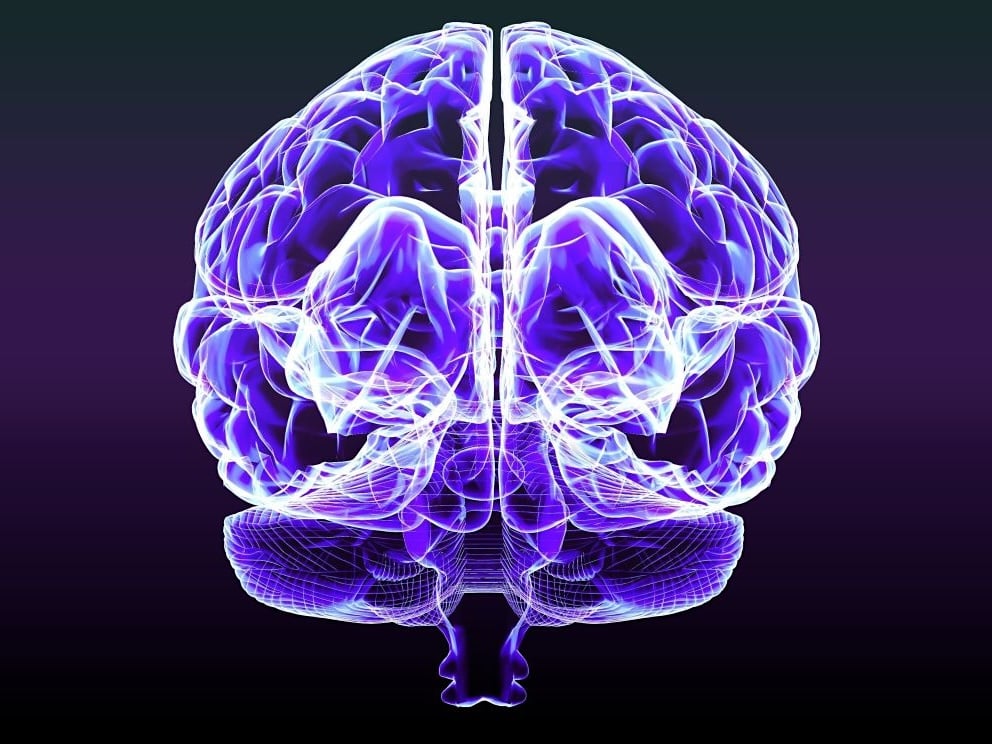
The news seemed almost too good to be true. At the end of a year when U.S. public health was half dismantled by the Donald Trump regime, a team of researchers centred at Case Western Reserve University and University Hospitals in Cleveland, collaborating with others around the world, announced that they had both prevented and reversed Alzheimer’s disease in mice.
To understand the importance of these discoveries, we have to understand just how damaging Alzheimer’s disease is. According to the World Health Organization, or WHO, dementia affected 57 million people around the world in 2021; almost 10 million new cases are diagnosed every year.
In 2019 dementia cost national economies an estimated US$1.3 trillion — about half of that sum coming from family and friends attending to the needs of their loved ones an average of five hours a day. WHO says Alzheimer’s disease makes up 60 to 70 per cent of all dementias.
In the United States, the Alzheimer’s Association estimates that over seven million Americans are living with the condition. That number will almost double to 13 million by 2050.
And here in Canada, Alzheimer’s cases currently account for about half a million out of some 772,000 people living with dementia. The Alzheimer Society of Manitoba predicts that dementia cases by 2050 will nearly triple to over 1.7 million people; most will be living (and dying) with Alzheimer’s.
According to a recent article in Frontiers in Public Health, the cost of dementia care in Canada will increase from $40 billion in 2020 to $110 billion by 2050.
The article in Frontiers in Public Health also referred to dementia as “a progressive and irreversible condition,” stating that it might be prevented or at least delayed by various steps (stopping smoking, getting as much education as possible). However, the article stated the long-held belief that once diagnosed, Alzheimer’s and other dementias are inexorably progressive.
Now, however, a major study in Cell Reports Medicine was published online on Dec. 22, 2025, that may have changed dementia from “progressive and irreversible” to “preventable and reversible.”
Kalyani Chaubey of Case Western Reserve University in Cleveland, Ohio, led a team including researchers from Case Western, Louis Stokes Cleveland VA Medical Centre and numerous other universities.
The lead contact for the team was Dr. Andrew A. Pieper, founder of the Pieper Lab at Case Western.
Chaubey’s team knew that all animals need a coenzyme, NAD+, to provide energy at the cellular level. It also influences DNA repair, cellular aging and immune cell function. As we age, we produce less NAD+; as a result, cells can’t repair themselves or carry out their normal functions. Lack of NAD+ causes several aging-related conditions and diseases, including cognitive decline.
The researchers showed that in Alzheimer’s cases, NAD+ homeostasis in the brain is disrupted even more severely than with normal aging, and that the magnitude of this disruption correlates tightly with disease severity.
The researchers then used two strains of genetically engineered mice with human genes associated with Alzheimer’s. According to an article about the study in Neuroscience News, “One line of mice carried human mutations in amyloid processing, and the other mouse line carried a human mutation in the tau protein.” Pathologically accumulated amyloid and tau proteins trigger a cascade of events in the brain that ultimately can lead to neuronal cell death in people with Alzheimer’s.
An advance after decades of research
Using a drug developed in the Pieper Lab called P7C3-A20, which restores and maintains NAD+ homeostasis in conditions of disease and injury, the researchers found they could protect mice from developing Alzheimer’s at all. Moreover, they could also reverse Alzheimer’s pathology and achieve recovery from symptoms in advanced cases, fully restoring cognitive function.
The team’s success is a stunning advance after a century or more of research. Applying their findings to humans will take careful trials over a period of years.
But if P7C3-A20 works as well with humans as it does with mice, it will have major implications for health care, and for society as a whole.
First of all, we will live longer. A study on survival after Alzheimer’s diagnosis found that people diagnosed at age 65 had a median survival time of 8.3 years — a 67 per cent reduction. For those diagnosed at 90, survival time was 3.4 years, or a 39 per cent reduction.
So preventing Alzheimer’s in relatively young people could give them over a decade of extra life, and those in their 90s might see 100. They might contend with other diseases of old age, but they would have good cognition all their lives.
If Pieper and his colleagues do succeed in both preventing and reversing Alzheimer’s in humans, they will change social attitudes towards old age.
Old people will no longer be “losing it,” “senile” or “in their second childhood.” Instead they will be elders, respected for their memories and wisdom, fully participating in the society they helped to create. It is a startlingly encouraging prospect at a time when public health really needs it.
To better understand the implications of this finding, The Tyee conducted an interview with Pieper.
This interview has been lightly edited for clarity.
The Tyee: What are the next steps your team is planning to follow up on these results?
Andrew Pieper: Our top priority is to develop an optimized molecule with this neuroprotective effect that’s safe and effective for people and then move it into human clinical trials. In the lab, we’re also studying how long the benefit lasts and which specific processes downstream of restoring and maintaining brain NAD+ homeostasis are most important for recovery. Those findings will help guide the clinical development.
Roughly how long would it take to launch and complete human trials of P7C3-A20? And assuming they’re successful, how long might it take to put it on the market?
P7C3-A20 is for research use only. We are creating an optimized, clinic-ready molecule with the same protective effect. Realistically, starting Phase 1 trials is a few years away. If trials go well through all phases, it would take several more years before a medicine could reach the market.
Could other dementias be treated in a comparable way? And do you foresee any other benefits of P7C3-A20 as a pharmaceutical response to conditions and diseases of old age?
Maintaining NAD+ homeostasis is fundamental to a healthy brain, and its disruption appears in many neurodegenerative conditions. That means this approach could potentially help other dementias and brain injuries as well. If successful, similar treatments might also protect brain health more broadly through normal aging.
By preventing or reversing Alzheimer’s, we could see a substantial increase in economically active seniors who would not require assisted living or nursing-home care. Would such facilities have to scale back operations, or focus on seniors with other health conditions?
Even if Alzheimer’s were greatly reduced, long-term care facilities would still be important because many seniors need support for other medical and functional issues. The focus and services offered might shift, but these facilities would remain a vital part of care for older adults.
What is the key aspect of this study that we should bear in mind as we consider preventing and reversing Alzheimer’s disease?
The big takeaway is that restoring and maintaining NAD+ balance allowed the diseased mouse brain to repair itself and recover lost cognitive function. That shows dementia may not always be irreversible and supports testing this strategy in people. ![[Tyee]](/design-article.thetyee.ca/ui/img/yellowblob.png)
Read more: Health, Science + Tech












Notice about commenting changes
The Tyee’s commenting system will be moving to a new platform on Nov. 12. If you’re already a Tyee commenter you must register with the new system on or after Nov. 12 with your preferred username.More information can be found here.