


 SHARE:
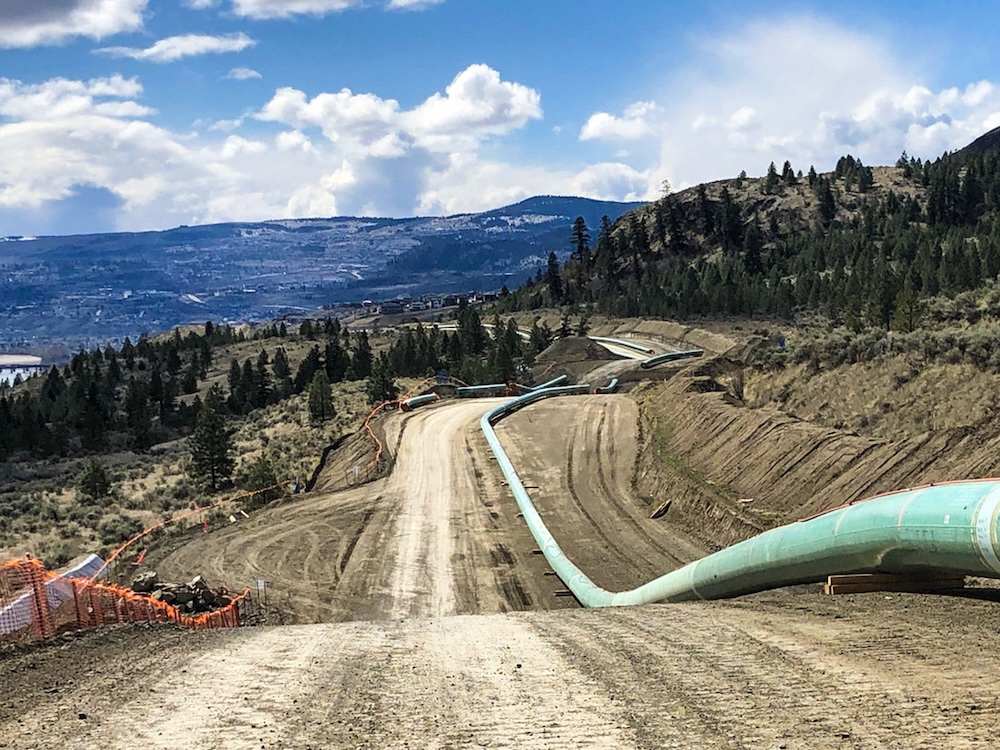
Pipeline companies won’t be getting a massive property tax break for Christmas at the expense of some rural homeowners. At least not this year.
BC Assessment has backpedalled on a plan to slash the assessed values of transmission pipelines. The move would have resulted in pipeline companies paying significantly less taxes in several municipalities and regional districts, and resulted in local governments significantly increasing property taxes for homeowners and business owners to make up the revenue difference.
But after two months of protest and warnings by local government officials, officials in Victoria have announced they won’t be overhauling the pipeline assessments for the coming year. In a news release issued Wednesday afternoon, the Thompson-Nicola Regional District said it had been informed that BC Assessment won’t be changing pipeline values for 2026.
BC Assessment and the provincial Finance Ministry confirmed the pause in emails to The Tyee Thursday morning.
"Any risk of a big tax burden shifting to residents and small business is something I take seriously," Finance Minister Brenda Bailey said in a statement issued by her ministry.
"After further consideration and my discussions with BC Assessment, I can now confirm that BC Assessment’s regulated rates valuation model for pipelines will not change for the upcoming 2026 Assessment Roll Year — a decision I support."
In other words, the assessment changes are dead for at least a year.
A BC Assessment spokesperson told The Tyee that the agency will be working to inform jurisdictions about the pause and its impacts on their upcoming tax rolls.
Municipal and regional government uproar
In late October, The Tyee reported on a meeting of the Thompson-Nicola Regional District board at which BC Assessment officials said the pipeline assessment review had begun nine years ago and been triggered by complaints by pipeline companies.
Regional district board members protested, warning that assessment reductions would result in a massive tax increase in communities where pipeline infrastructure makes up much of the non-residential tax base. Provincial rules cap utility tax rates, meaning governments couldn’t simply increase tax rates on pipelines to account for the reduced assessments.
News of the Assessment BC presentation to the Thompson-Nicola Regional District board quickly spread, leading numerous municipalities and regional districts along pipeline routes to send letters to Finance Minister Brenda Bailey, asking her to pause any change in assessed values.
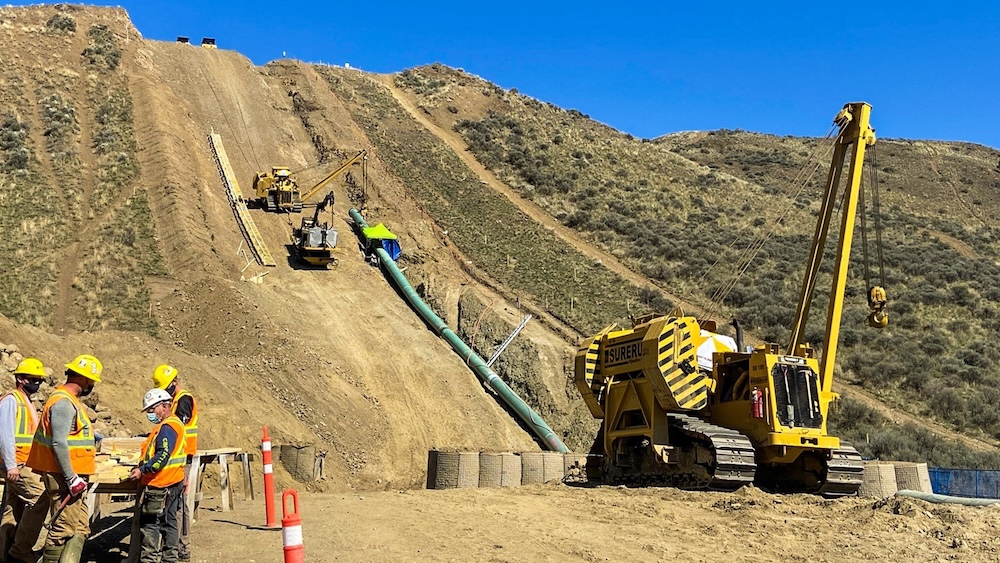
Several Fraser Valley cities, including Chilliwack and Abbotsford sent letters, as did the Fraser Valley Regional District, the Regional District of Fraser-Fort George, and the Cariboo Regional District.
Kamloops BC Conservative MLA Peter Milobar also drafted a piece of legislation that would have allowed local governments to charge utilities higher tax rates. That bill died when the legislature was dissolved, though Milobar said he would also be satisfied if the minister intervened.
What’s next
Neither the ministry nor BC Assessment said whether or how assessed values may change next year.
BC Assessment has now told the Thompson-Nicola Regional District that assessed values for pipelines will actually increase by seven per cent in 2026, rather than decrease by 23 to 30 per cent. That will bring more tax revenue, not less.
In their letters, cities and regional districts had asked the government to pause the revision of the pipeline assessments, arguing that they didn’t have enough time to prepare for the dramatic impact they would have on their local budgets.
Usoff Tsao, Thompson-Nicola Regional District representative for the remote Wells Gray area, told The Tyee that without the keen eyes of regional district staff, the politicians may not have had time to rally against the changes.
Tsao said his attention will now turn to the future. He said local politicians should continue to pressure the province to permanently cancel any changes that would hand pipeline companies a tax break.
He said communities had supported pipeline expansion in the past because of the promised economic benefits to their communities.
"It's not something that we ever want, not this year or next year or anytime down the road," he said.
"Especially now with both the provinces and the federal government seemingly moving ahead with all these proposed pipelines and major projects, we don't private for-profit companies to expect to get local community support [by promising economic benefits] and then once they're done, then they just kind of yank out the financial support." ![[Tyee]](/design-article.thetyee.ca/ui/img/yellowblob.png)










Notice about commenting changes
The Tyee’s commenting system will be moving to a new platform on Nov. 12. If you’re already a Tyee commenter you must register with the new system on or after Nov. 12 with your preferred username.More information can be found here.