


 SHARE:
Living expenses in Canada are high; it’s costly to raise a family, buy a home or make a decent living and pay the bills, especially if you’re young.
For young artists, it’s even harder. To get by and break even, independent musicians in Alberta are paying out of pocket to play charity shows, gigging for DoorDash before and after performances, sleeping in vans and limiting the number of instruments on stage to meet costs.
A full band’s instruments can easily cost around $2,700 for the cheapest gear. Jam space expenses, which rent in the range of $175 to $250 a month, add up quickly for those with limited income.
Playing shows often costs more money than they can make in profit. For an artist just starting out with no venue, photographer or promotional contacts, a show can easily cost them $800 to $1,000. All considered, Albertan musicians are in a tough spot trying to make it.
I spoke with young independent musicians in Edmonton and Calgary to understand what it’s like to get by while making music.
All the artists I interviewed agreed that an increase in revenue from streaming services like Spotify, Apple Music and Tidal would help musicians at the start of their careers; streaming services are often the primary means by which independent musicians reach new audiences.
These services offer editorial and curated playlists which allow for independent artists to be highlighted and get new listeners and they offer audience statistics for artists to measure their success. But the numbers can become a point of obsession for some, and streams don’t pay.
Artists are only paid $0.0042 per Spotify stream and roughly $0.016 per Tidal or Apple Music stream, making streams economically meaningless to artists.
The artists I interviewed also maintained that, no matter the financial situation, they would never stop doing what they do out of the love for their art.
Here’s what they’re doing to get by, and why it’s worth it.
For Airplane Parade, it’s all about the hustle
Names: Adam Sweet and Thomas Cormier
Age: 23 and 22, respectively
Artist Name: Airplane Parade
Income: $150 per gig
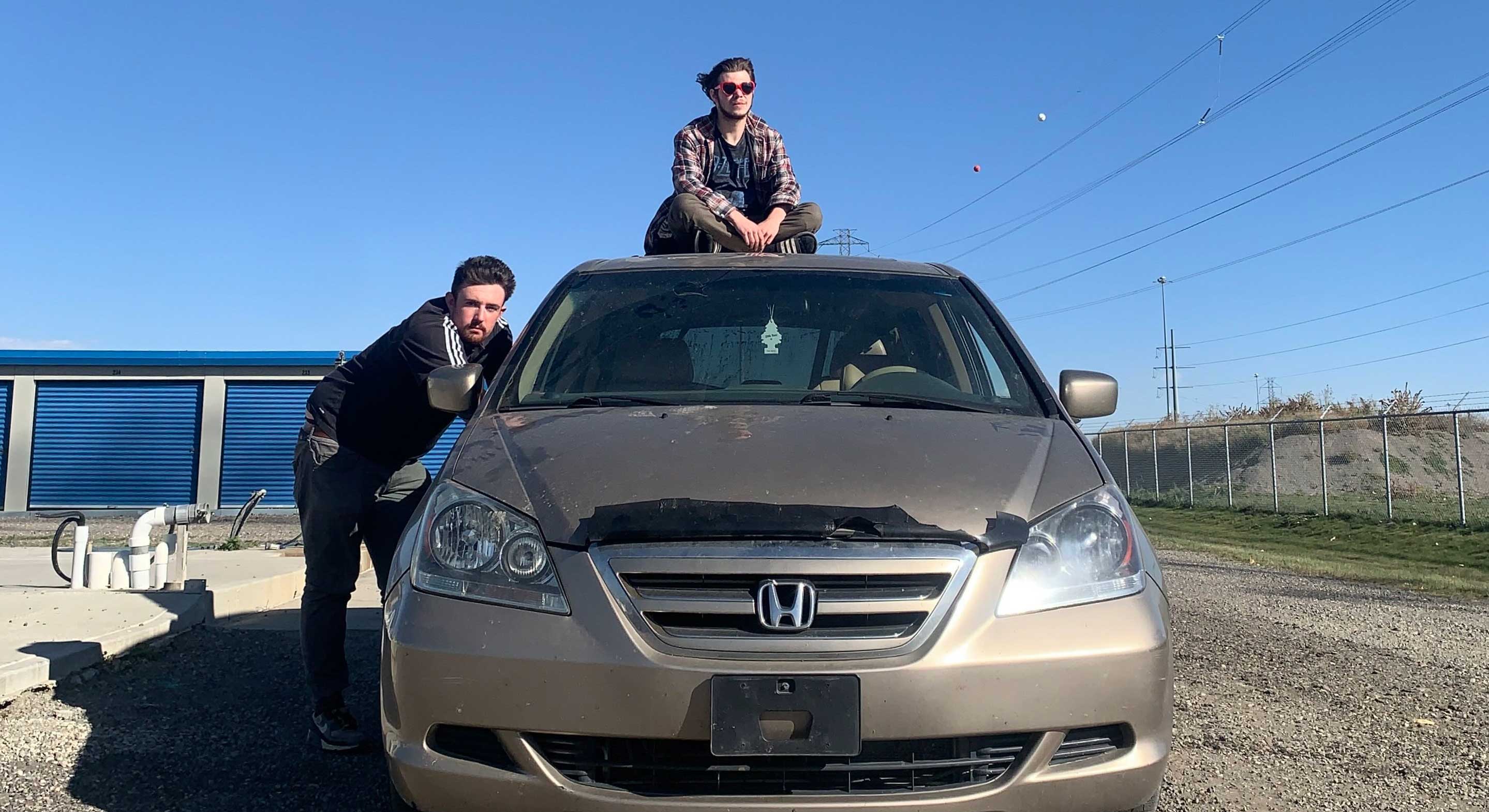
Hailing from Calgary, the alternative rock band Airplane Parade has four members and is led mainly by Thomas Cormier and Adam Sweet. While the band does break even every month, its members aren’t able to take profits home because they’re making just enough to cover their expenses as a band, and not enough to supplement their individual incomes. And, they collectively lose around $350 each show in lost wages, gas money and food. They both work day jobs to support themselves.
To break even as they do, the band has had to think outside the box. They drive for the food ordering and delivery service DoorDash in the band van before and after performances to supplement their income as a band. The thinking goes that they’re out for the night anyway, and to the band, it makes sense to supplement their combined income with such work because the income they earn through their music can be unpredictable.
“We don’t know if we’re going to sell T-shirts, but we know if we do DoorDash during dinner time, we make 20, 40 bucks,” Cormier said. The band usually drives for DoorDash during the evening meal rush on gig nights, and then they return to the road delivering food and meals until about 1 or 2 a.m. after their show. “We do DoorDash right until it gets quiet, and then we drive another few hours home,” Cormier said.
The band members also sleep in the van while on tour. “We can’t afford to be paying $60 to $100 for even the cheap hotels,” Cormier added.
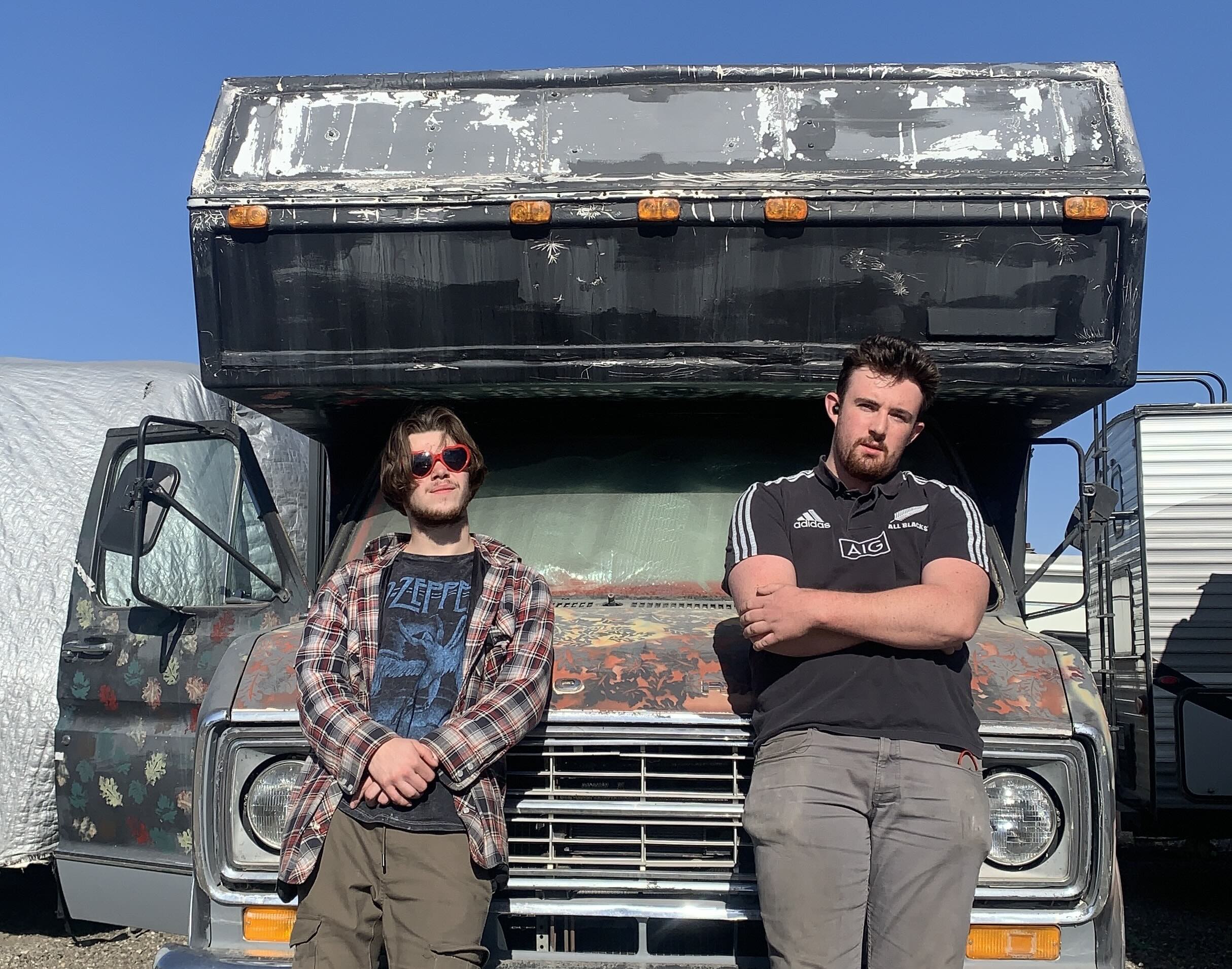
The band also bought, and renovated, an RV to practice in so they don’t have to pay for a practice space. They paid $800 for the RV, and with renovations, ended up putting around $1,000 into it total.
Rentable jam spaces in Calgary are relatively rare. Studios like Skunkworks charge $60 minimum per practice session; Slaughterhouse Studios charge $25 per person for three hours. The band’s investment in the RV was paid off in only a few months since they practice often.
If anything could be done to help them get closer to supporting themselves by playing music, they agreed it would be an increase in per-stream revenue from Spotify or Apple Music.
Cormier acknowledged that it’s hard for venues to pay more because they have other costs to worry about like staff, liquor and rental costs, alongside licenses and taxes. And when a band plays, sound techs are an added expense, which can easily run $300. Even then, some venues only charge bands the cost of the sound technician to put a show on, looking to give bands a cheaper way to play.
Cormier emphasized that with the amount of money running through streaming services, an increase in payouts for artists would be “beyond beneficial” for artists' livelihoods.
They do what they do because they want to provide an escape for their listeners, and they want to be able to do it for a long time. “There’s certain bands that have given me feelings over the years that I can’t get from anything else, I want to convey that feeling to people,” Sweet said.
“I want people to be able to forget all the tough stuff that’s happening in their life.”
For Stephen Curtis, ‘doing it itself is enough’
Name: Stephen Curtis
Age: 30
Artist Name: Stephen Curtis
Income: $200 to $300 per gig
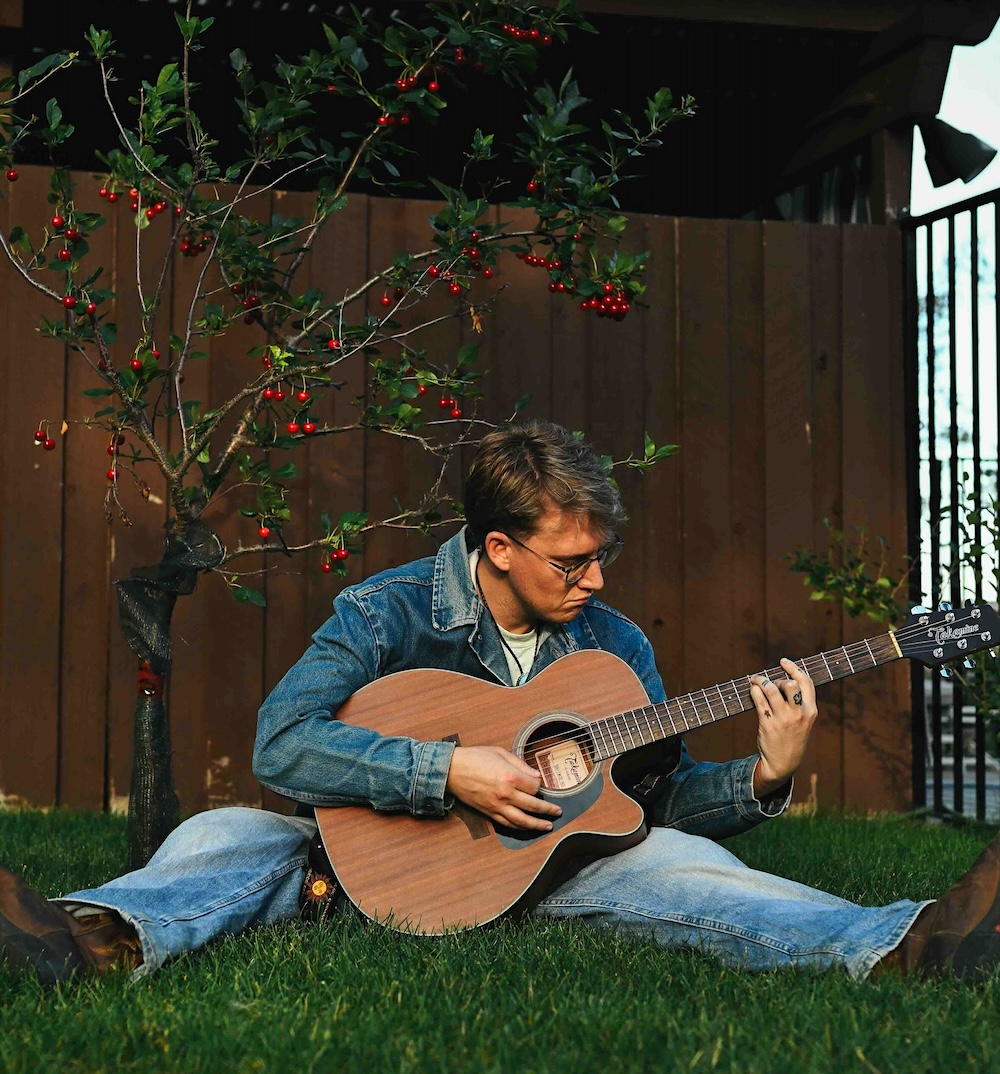
Stephen Curtis, a solo indie-folk musician based in Edmonton, says he isn’t worried about the money, but he would love the opportunity to play music full-time. He currently earns an income by working in mental health in Edmonton.
Sometimes, he doesn’t take money at all to foster growth in the scene. “I kind of have the mentality, and some of my friends do too, where we’d rather build community and have it be a bangin’ time [than make money]. So there’s sometimes where I take no money, but just try to keep myself out of the red with the show,” Curtis explained.
“My mentality is it would be better for me to get to that point where I’m self-sustainable to have a larger audience [and] more people listening. If I’m throwing my own show I would rather have a cooler show where a few people walk away from actually wanting to listen to my music, than making a couple hundred bucks,” he explained.
“I used to do this show when I was younger that me and my friends organized in the summers at a community hall every year. We gave the money from that festival to charity,” he said.
The shows were sponsored by local companies like Original Joes, who sold food or Alley Kat, who sold beer. Other local businesses would also help out Curtis, giving him discounts and so on.
Curtis questioned whether those businesses would have helped if it wasn’t charity, though, noting how everyone part of those events turned a profit except the musicians.
He makes some money from streaming, but the majority of his income comes from radio play. Curtis said he’s likely made around $200 to $300 from having his music played on CKUA, CBC and CJSR.
Streaming and radio play are “vastly different,” Curtis said. “I’ve probably gotten around 40 radio spins this summer and that’ll pay me the same as thousands of streams would pay me.”
And while some money is coming in, it isn’t profit, only revenue. Meanwhile, Curtis invests a lot of his own money to support his work as a musician. If he plays out of town, all the costs are on him.
Curtis said he feels he’ll always have to have a job outside of music, but it’s worthwhile; he’s able to support himself and “float a little bit of money to go and do a show or whatever, which not everyone can,” he said.
Despite the tough moments that can come with trying to make it professionally, Curtis is happy having a go at it. “I love it enough that doing it itself is enough,” he said.
For Morning Coyote, ‘it’s a love thing’
Name: Sawyer Begg
Age: 23
Artist Name: Morning Coyote
Income: $200 per gig
Sawyer Begg, the man behind Edmonton solo folk project Morning Coyote, lives with his parents and works full-time as a labourer for an event rental company, a job that involves setting up the tents at the Edmonton Folk Music Festival. His music videos, music-related art and music itself are self-funded and self-released.
As a solo artist, Begg can either play alone or hire a full band, which he often does. And he likes to hire different musicians for each show.
At the end of the night, everyone in the band, including Begg, takes an even split of the pay. Sometimes, that leaves Begg with the decision of whether or not to hire a full band, sometimes limiting the show. “I’m always gonna take band shows because that’s what I want to do and I want to play with my friends, but how many people I have on stage with me does matter,” he said. Begg said there are times when they want to have saxophone or strings, but can’t because of costs.
For his visuals, Begg has friends who help him out for the love of making art. He works with his friend Ella, for example, but “she does it for free. I feel bad because I want to pay out of pocket, but I’m not making money from this,” he said. “But, they agreed to do it for free as a collaborative thing because none of us are really making any money from it.” Between his videographers and the band, it’s a community effort born of a shared interest in making art together, not making money.
They get creative to cut costs to make music videos, too. Begg’s recent music video for his newest single, “Ozymandias,” is shot in an abandoned Alberta property.
“We don’t have the funds to rent somewhere to film. Everything we’ve done has been totally self-funded or not funded at all,” Begg explained. “We just use shitty cameras that we have lying around, but that adds to the aesthetic of it.”
He said that if he had money, he would do a lot more, but added that he will always find a way with whatever he has.
And, in growing to make music his full-time job, he said he will always want to work with his friends to build each other up. “It’s a love thing,” he said. ![[Tyee]](/design-article.thetyee.ca/ui/img/yellowblob.png)
Read more: Music, Labour + Industry, Alberta











Tyee Commenting Guidelines
Please note that email notifications for replies are not currently working due to a software issue which may be resolved in a future update.
Comments that violate guidelines risk being deleted, and violations may result in a temporary or permanent user ban. Maintain the spirit of good conversation to stay in the discussion and be patient with moderators. Comments are reviewed regularly but not in real time.
Do:
Do not: