



 SHARE:
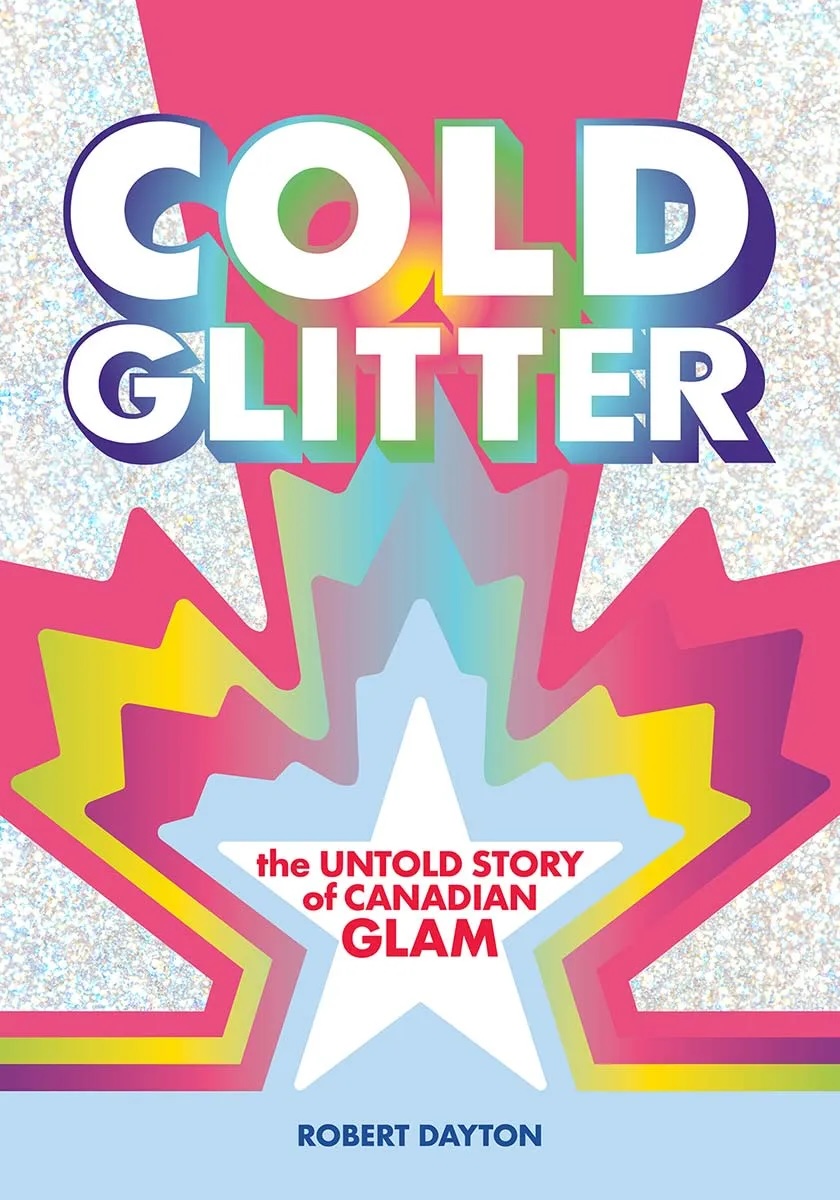
Cold Glitter: The Untold Story of Canadian Glam
By Robert Dayton
Feral House (2025)
April Wine. Max Webster. Rough Trade.
If you, like me, grew up on FM radio of the 1970s and early ’80s, you'll remember the heyday of glam rock.
Seminal bands like the New York Dolls, David Bowie's Ziggy Stardust and the Spiders from Mars, and Alice Cooper all donned makeup and/or sequined jumpsuits to add a little theatrical zest to the macho posturing of much of rock ’n’ roll. For the most part, the music was back-to-basics, while the lyrics were less about misty mountains and gallows poles than cutting out of school or smoking in the boys’ room.
Fans of the genre will find plenty of familiar names in Cold Glitter: The Untold Story of Canadian Glam, a 408-page tome by Robert Dayton, a multidisciplinary artist originally from Fort St. John and formerly of Vancouver. Hell, even Bryan Adams has a few walk-ons.
But readers will find even more names that are unfamiliar. Unless you’re a committed crate-digger, a record-store owner or a member of one of the bands mentioned, most of the acts in Cold Glitter are ones you’ve probably never heard of — artists like Laurice, whose 1973 single “When Christine Comes Around/I'm Gonna Smash Your Face In” presaged punk; Twitch, a Vancouver band that performed covered in gold and silver paint; and Neil Merryweather. The latter played with Rick James in ’60s Toronto R&B band the Mynah Birds (Neil Young was briefly a member) and worked with Bruce Cockburn before recording two albums of psychedelic glam, Space Rangers and Kryptonite.
Dayton’s book of Canadian glam presents an alternative history of the country’s rock scene from 1970 to 1980, give or take a few years. Exhaustively researched and written with a deep love for the genre’s idiosyncrasies and its practitioners’ kinks, musical or otherwise, Cold Glitter is a musical mystery tour for anyone interested in neglected, forgotten and often just plain bizarre corners of Canadian culture.
Even for Dayton, a connoisseur of the strange and obscure, writing the book was a voyage of discovery.
“I have to remind myself and my own ego that you’re never going to know everything about a subject,” Dayton says. “You’re just not, especially with music. Music is endless. It still shocks and surprises me.”
Most of his research was first-hand. He interviewed the musicians “if not in the flesh, then on the phone or on Skype. And they would sometimes give me info where I would go, ‘Oh,’ and it would lead to other things. And the book grew and grew and grew.”
And so it did. Cold Glitter is an expansive glitter blizzard of anecdotes, it’s-a-small-world coincidences, happy accidents and songs about Saturday night — “a popular Glam talking point,” as Dayton writes.
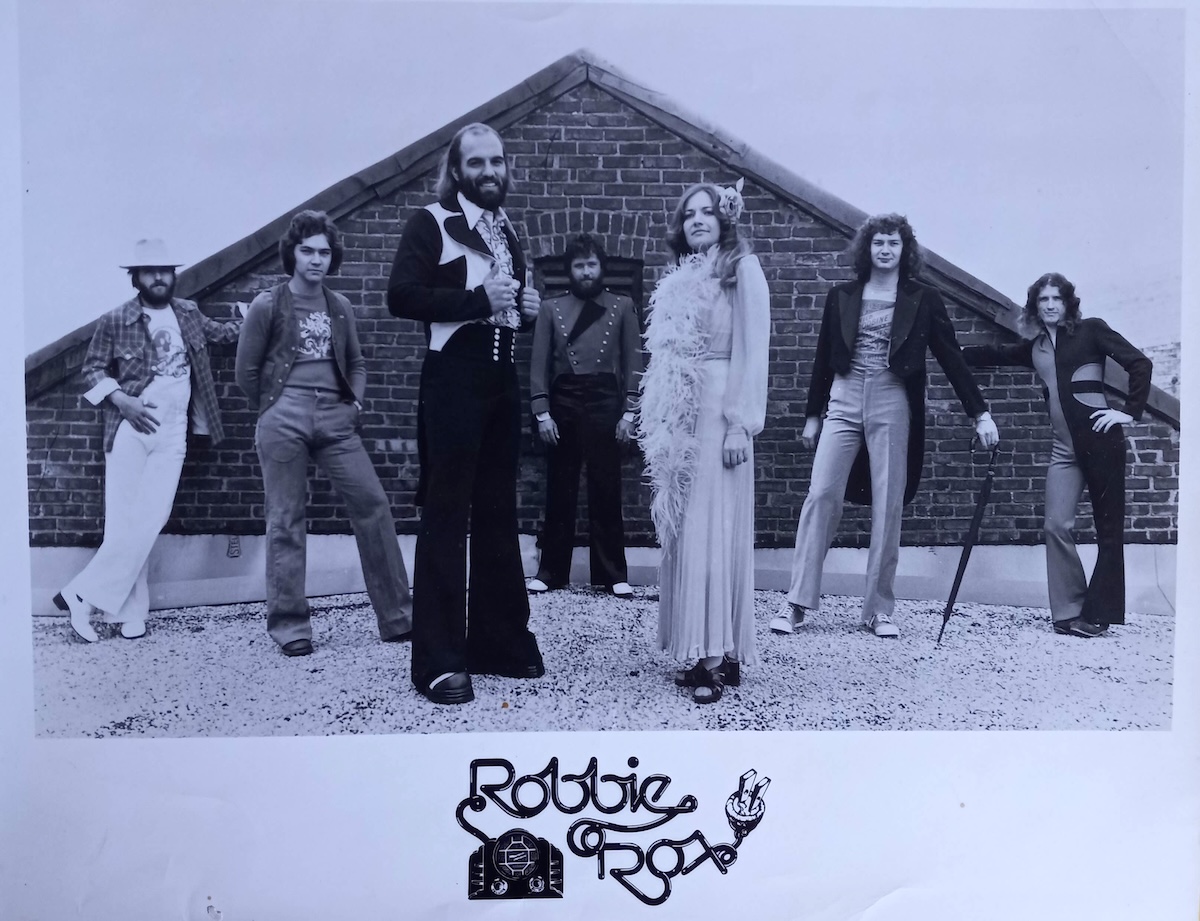
Photos, and a great selection at that, take up some of the volume, but only a fraction. One reason for the length is that, as work on the book progressed, Dayton’s conception of what constituted glam — or Glam, as he prefers — grew.
There’s even an accompanying 100-page PDF — “currently in production,” according to the publisher — that will be dedicated to Canadian glam fashion, movies, comedy and magic.
“I discovered more and more acts with at least one or two of the so-called glam qualifiers,” he said. “Because glam is a nice, slippery genre, which is what draws me to it.”
An ‘allergic reaction’ to the rock establishment
In the book’s introduction, Dayton defines glam as “an allergic reaction... to shaggy, drippy 1960s rock machismo.”
Gender play, outrageous costumes, makeup and a sense of camp are visual cues, while “the sound itself was visual, designed to emanate larger-than-life from the speakers.” Queen, T. Rex, Kiss and, closer to home, Vancouver’s own Sweeney Todd, are recognized as pioneers of the genre.

Dayton himself is no stranger to the performing and recording arts, or glam — Glam — for that matter. In 1994, while living in Vancouver, he co-founded July Fourth Toilet, a band with a mandate of doing a different show every time they played.
One event was dedicated to covering a Bob Dylan album in its entirety. Rather than Blonde on Blonde or another masterpiece, however, the band chose to resurrect the 1973 record Dylan, widely considered one of the songwriter’s weakest efforts.
Other themed shows included one made up of 30-second songs, another that celebrated the K-tel album Rock Fantasy, and a performance that attempted to, in his words, “conjure the energy of the universe.”
Later, he formed the “comedic song-and-dance” duo Canned Hamm with Stephen Hamm, who now goes by the nom de plume Theremin Man.
Dayton’s current cultural endeavours include performances as the Canadian Romantic, whom he describes as “a melodramatic figure of faded glamour who tries to bridge and explore the gap between Canada and romance with somewhat dubious results.”
His work has rarely endeared itself to the cultural gatekeepers of his home and native land, and Cold Glitter met a similarly frosty reception.
“There were a couple points where I thought that maybe this book wouldn’t see the light of day,” he said of his search for a publisher. “I was in despair. And this was after eight years of work. There might be some reasons for that. I mean, this book has an underlying mandate of not playing it safe, of taking artistic risks. It’s not culturally conservative. And maybe that’s why Canadian publishers weren’t interested.”
He finally found a home for Cold Glitter at Feral House, a publisher based in Port Townsend, Washington, that specializes in what it calls “innovative, unexpected and thought-provoking non-fiction.” Recent subjects include murder ballads, the mythical lost continent of Lemuria, and how cults and religious movements have influenced the U.S. diet.
But Canadian publishing’s loss is Feral House’s, and our, gain.
Glam is alive
The energy of Dayton’s writing, his eye for the telling detail and the rich vein of rediscovered talent ensures that Cold Glitter is an enjoyable read even for someone with only a passing interest in the genre or Canadian music in general.
He avoids music-writing clichés and writes imaginative and telling descriptions of the music, the players and his encounters with them.
The 1983 self-titled album by Niagara Falls band Perfect Affair “is like a workout-mix montage from a movie about a down-on-his-luck kid who makes the grade and gets the girl,” he writes. “That movie could be named after any song here: ‘On the Edge,’ ‘Hard Fight,’ ‘Crazy’ and... ‘Queen of the Night.’”
On singer Robbie Rox: “A vocal range that will break all the glasses in your summer cottage.”
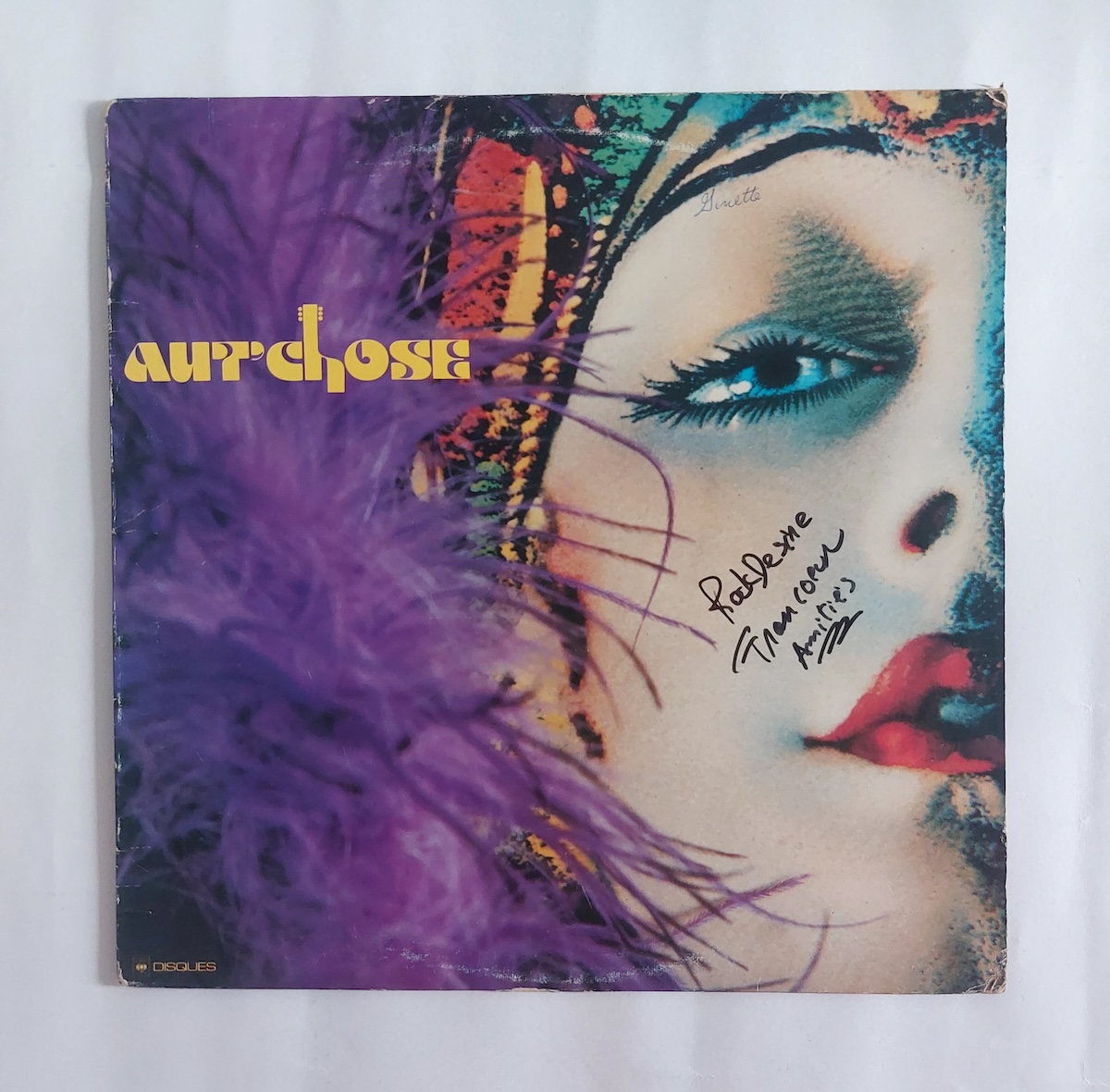
On his interview with Lucien Francoeur, frontman for Quebec band Aut’Chose, and Francoeur’s falling out with bandmate Pierre Gauthier: “Vitriolic quotes have been removed for clarity.”
Dayton explained his approach to me this way: “I had to do a service to glam, because glam, in a way, does break the rules,” he said.
“And glam, when I hear it, is alive. The book was a challenge to write, but it was also a joy to write about this, to describe this music.”
Unfortunately, much of the music referenced in Cold Glitter is hard to find. Only a small amount was ever reissued on CD, while some is available on streaming services or on YouTube, usually with a minuscule number of likes (only four thumbs-up for Crackers’ 1978 magnum opus Choice Cuts? C’mon, people!) and barely searchable.
With a little luck, Cold Glitter will make like the proverbial snowball and garner enough interest for an enterprising label to put together a box set, a la Native North America Vol. 1, Light in the Attic Records’ 2014 compilation of North American Indigenous music, or Nuggets, the groundbreaking 1968 collection of obscure psychedelia.
“Fingers crossed that this gets more out into the world, because it deserves to be known,” Dayton said.
“It’s just delightful music.” ![[Tyee]](/design-article.thetyee.ca/ui/img/yellowblob.png)













Tyee Commenting Guidelines
Comments that violate guidelines risk being deleted, and violations may result in a temporary or permanent user ban. Maintain the spirit of good conversation to stay in the discussion and be patient with moderators. Comments are reviewed regularly but not in real time.
Do:
Do not: