

 SHARE:
The recent tragic events of Tumbler Ridge have caused significant national discussion with respect to inappropriate access to guns and the paucity of mental health services in rural and northern communities.
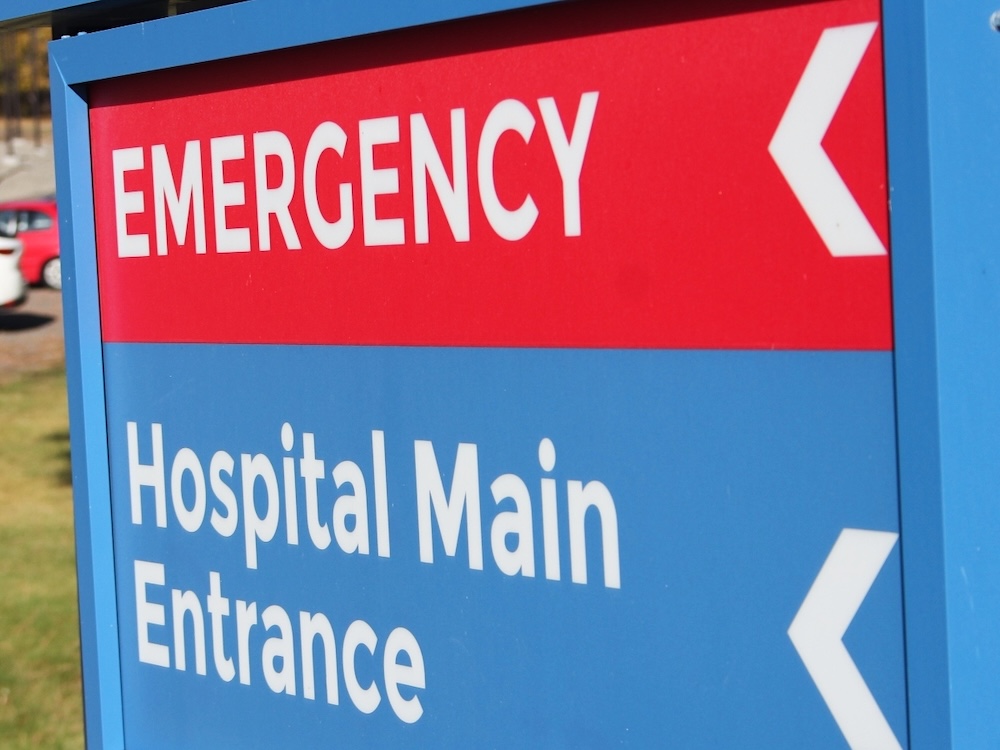
But there is another concern that has yet to be discussed: the new normalization of closures of rural emergency departments and how that could have made Tumbler Ridge even more tragic than it was.
Eight people were killed and 25 injured in the mass shooting. One can only imagine the heroism on display that day by the clinical staff at the Tumbler Ridge Health Centre as they worked to triage, stabilize and transfer the injured. But what if they had not been there? What if the centre had been closed? What if there were no ambulances?
The harsh reality is that those circumstances have occurred before and the tragedy could have been much worse.
Tumbler Ridge, like many rural communities in Canada, has been no stranger to emergency department closures. In September the mayor went public with the news that a resident had died after the emergency department’s hours were reduced. The patient died en route to Dawson Creek, the nearest open hospital. In October, residents protested cuts to evening and weekend on-call emergency care. In January the mayor raised concerns about inadequate ambulance staffing and limited availability for patient transfers.
Thankfully, on the fateful day of the shooting, the local emergency room was open and an ambulance available.
Tumbler Ridge is the everyman of Canadian rural ERs. Closures have become normalized. In the Maritimes there are frequent closures of smaller departments, leaving their citizens vulnerable. In British Columbia, they have become a given on weekends in many communities. In Ontario there were no closures between 2008 and 2020. That short-lived success was linked to enhanced hourly funding for rural physician emergency coverage and a robust system of providing staffing coverage for departments on the brink of closure. Then the COVID-19 pandemic struck, old wounds and grievances were opened, and physicians and nurses decided it was time to leave, possibly never to return.
Some closures are due to a shortage of physicians. This was identified as a concern by Canada’s emergency physicians in a 2016 report, which identified a potential shortfall of 1,500 emergency physicians by 2025 unless something was done. The report was ignored and the shortage realized. Most of the rural closures, however, are based on a nursing shortage. The cumulative stresses of crowding, violence, moral injury and the lack of respect from provincial governments left many emergency nurses no other option than to vote with their feet.
The net effect is that for the 20 per cent of Canadians who choose to live and work in rural communities, there is a subliminal message that the iconic promise of the Canada Health Act of guaranteed access is somewhat of a lie — a cruel joke played on us when we come to the local ER only to find a Closed sign. It sends the message that we simply don’t count.
There are a number of options, however, to address the current situation. They are all, admittedly, far from perfect.
The first is to accept that money talks. Some departments simply cannot be allowed to close, given their isolated status or industrial imperative. If you provide enough compensation, then physicians and nurses will travel to work. This was made abundantly clear during COVID, when Canadians became aware of the exorbitant fees paid to nursing staffing agencies for fly-in nurses. With respect to physicians, many provinces now reimburse licensing fees, pay a handsome hourly or daily wage and provide travel and accommodation for a locum physician to cover a shift or a few days of work in a distant ER.
At the other extreme is a defeated shrug of the shoulders and the waving of the white flag as provinces essentially give up by introducing the virtual ER, a Dorian Gray of an initiative in which a helpful physician, based thousands of kilometres away, will listen to your concerns and provide grandmotherly advice. It might be helpful for a sore throat but it’s useless if you have a broken femur from an ATV accident or have been shot in the chest during a hunting accident.
Somewhere in the middle, and in some selective areas of the country, a number of emergency departments close to each other are struggling to stay open and draw from the same limited pool of clinical staff. In these rural areas, emergency care should be centralized, making one the centre of excellence and guaranteeing access and enhancing the quality of care provided to all the other communities. This will require enhanced pre-hospital care for interhospital transfer and a bigger-tent approach to staffing of the satellites with paramedics, physician assistants and nurse practitioners. It’s politically tough to sell, but that’s where we are at.
The Tumbler Ridge tragic experience is a wake-up call with respect to rural ER closures. It could happen in any small Canadian community and at any time. Rural ERs are not Band-Aid stations and they are there for a reason.
The time to address this new normal is now. Lives depend on it. ![[Tyee]](/design-article.thetyee.ca/ui/img/yellowblob.png)
Read more: Health












Tyee Commenting Guidelines
Please note that email notifications for replies are not currently working due to a software issue which may be resolved in a future update.
Comments that violate guidelines risk being deleted, and violations may result in a temporary or permanent user ban. Maintain the spirit of good conversation to stay in the discussion and be patient with moderators. Comments are reviewed regularly but not in real time.
Do:
Do not: