


 SHARE:
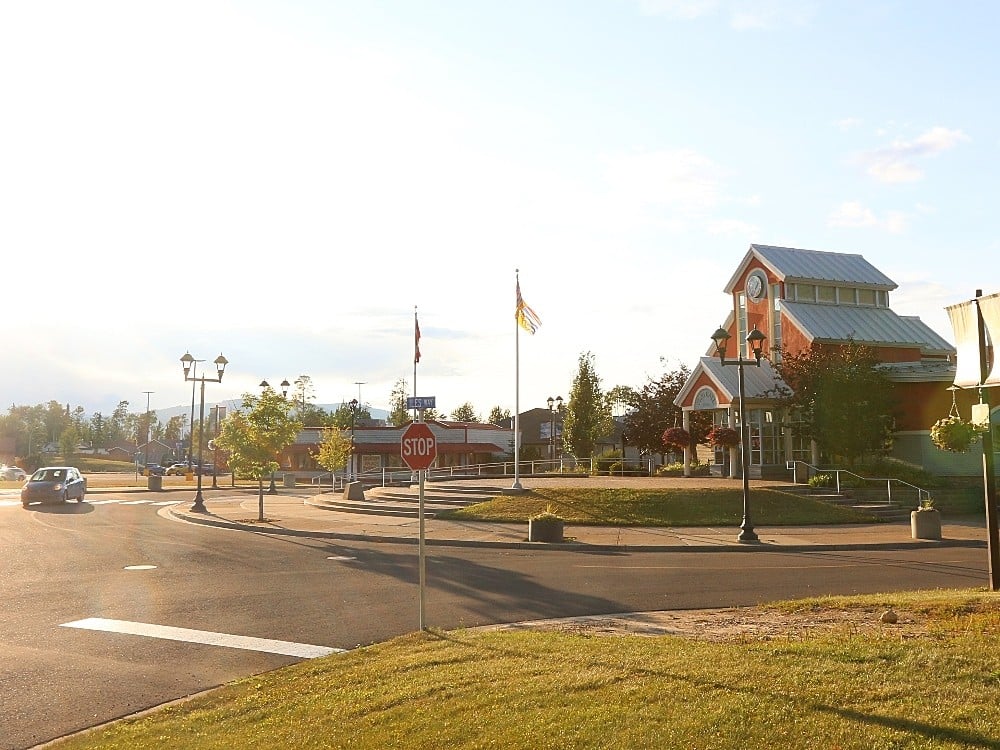
Tumbler Ridge’s downtown is impossibly cute.
Its main street gently curves past a salmon-pink town hall. It has broad walking paths that meander through town and bike trails that drop into shady forests. In some ways, it appears almost too perfect to be true, like the movie set for a romantic comedy set in the 1960s.
But the heartache brought to the small northern B.C. community on Tuesday is only too real. As I write this, the tiny town of 2,400 people is grieving in the wake of a high school shooting that left nine people dead. Two others remain in hospital, including a 12-year-old girl, clinging to life on Wednesday afternoon.
“We need a miracle,” the girl’s mother shared in a heart-wrenching GoFundMe post.
It’s a pain no close-knit community should ever have to endure — and one almost unheard of in Canada. The Tumbler Ridge shooting is among the worst school shootings in our country’s history, second only to the 1989 tragedy that shook École Polytechnique in Montreal.
The details trickled out slowly. But there was one thing I knew from the start. The Tumbler Ridge community is incredibly resilient.
I live in Smithers, about an eight-hour drive west of Tumbler Ridge. The first time I visited was 15 years ago, when I was invited on a media trip by Northern BC Tourism. A decade later, when the world shut down due to the COVID-19 pandemic, I took the opportunity to return and bring my family.
Tumbler Ridge was, quite literally, built for families.
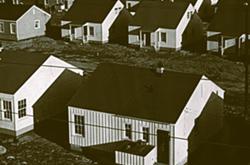
Everything about the town is intentional, including its swales and its sidewalks. It was built in 1981 as B.C.’s last “instant town,” a community meant to service two local coal mines, Bullmoose and Quintette. The town’s wide streets and long sightlines were carefully planned to prioritize safety, former mayor Keith Bertrand told me in 2020.
Those planning the community projected Tumbler Ridge would be home to 10,000 residents by the late 1980s. But that never happened.
As a coal mining town Tumbler Ridge has struggled for its survival amidst boom-and-bust economic cycles. Its population peaked at about 5,000 people in the 1990s. When the mines closed in the early 2000s, it plummeted to 1,500 people. It appeared that the town might disappear altogether.
But those who remained did so for love. While they may have moved there for jobs, they stayed for the community and the surrounding wilderness. They had the grit to reinvent Tumbler Ridge into the town it is today.
Among them was Trent Ernst, who wrote in The Tyee more than 20 years ago about his determination to remain in Tumbler Ridge. Today, he runs the town’s only news outlet, Tumbler RidgeLines.
“It was a small but passionate group of townspeople that fought to save the town,” Ernst wrote in 2004. “And they succeeded.”
Today, Tumbler Ridge is many things.
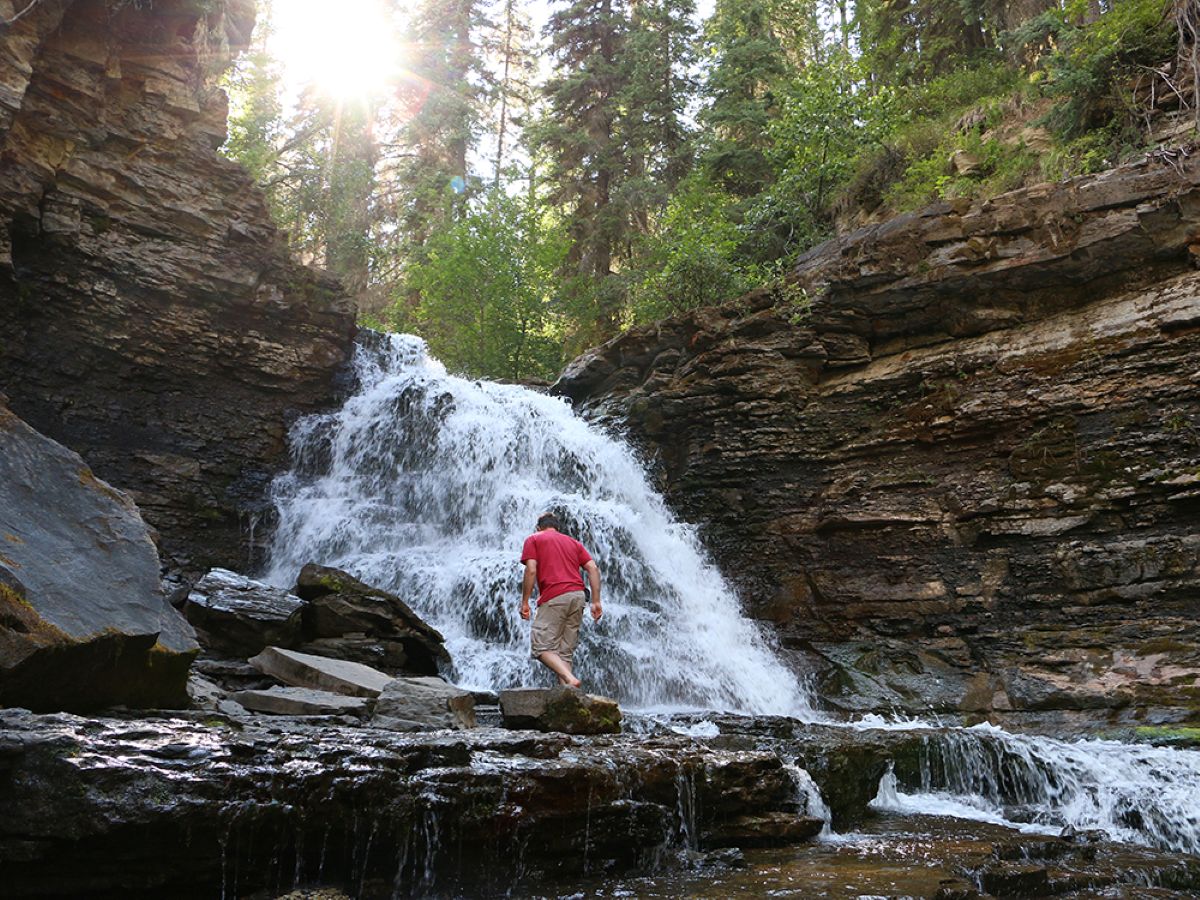
After the mines closed, the community decided to capitalize on its other natural resources. Its position in the northern foothills of the Rocky Mountains about 100 kilometres from the Alberta border provides easy access to alpine hiking, rivers and lakes. The same geologic processes that helped form coal fields also created commanding waterfalls, earning the area the moniker “Waterfall Capital of the North.”
Community efforts have developed dozens of local hiking and mountain biking trails. Every year, the town hosts the Emperor’s Challenge half-marathon, which attracts up to a thousand people willing to make the gruelling climb over Mount Babcock.
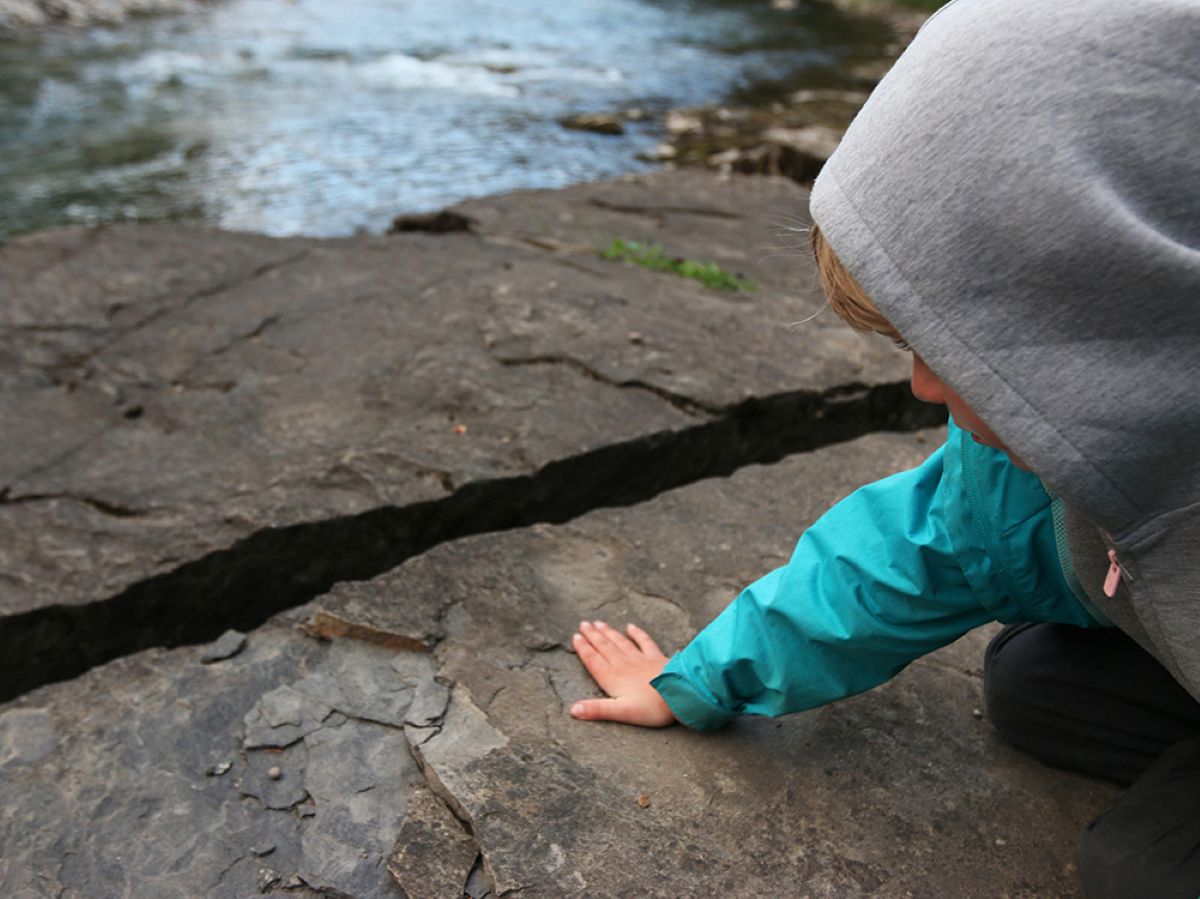
But one of the region’s biggest discoveries came in 2001. Two local boys tubing on a creek near town discovered ancient dinosaur footprints etched into bedrock along the shore.
The imprints, more than 100 million years old, led to the discovery of dinosaur bones in the area, including a partially articulated hadrosaur skeleton. The region has become B.C.’s paleontology mecca and now boasts the Peace Region Palaeontology Research Centre and the Dinosaur Discovery Gallery.
In 2014, Tumbler Ridge was designated a UNESCO Global Geopark, an area recognized for its “internationally significant geological heritage.” The community has also been working to get its International Dark Sky Reserve certification in an attempt to capitalize on its remote location and lack of light pollution.
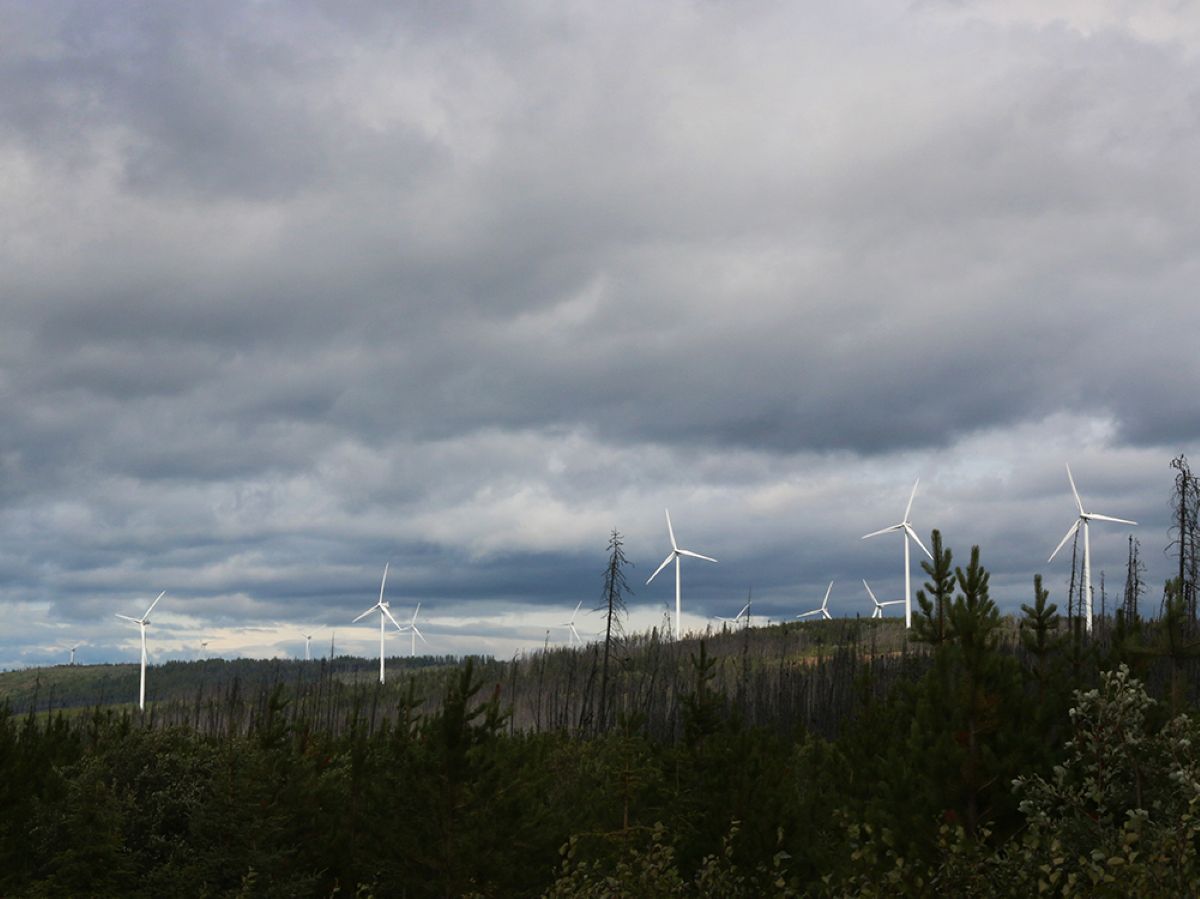
Tumbler Ridge’s position on the leeward slopes of the Rockies offers frequently sunny skies and consistent winds, which have also contributed to economic development. Two wind farms currently operate on the outskirts of town and more are planned for the region, as BC Hydro banks on the region’s wind to power the province’s green energy future.
Mining also continues to play a role in the local economy. The Wolverine mine opened in 2005 but closed a decade later. The Quintette mine reopened two years ago. The community continues to endure the ebbs and flows of a resource town — but now those fluctuations are buffered by tourism.
None of these things could have prepared Tumbler Ridge for the challenges that lie ahead.
Like most rural B.C. towns, the community’s health-care resources are stretched thin. In a statement, the Northern Health Authority said that the Tumbler Ridge Health Centre’s emergency department was — thankfully — fully staffed when the unthinkable happened on Tuesday. It was sending more medical staff to the community Wednesday.
The region also exists in a news desert. Ernst is the town’s only reporter and he has been tirelessly updating the public — even as his own daughter was on lockdown Tuesday.
Tumbler Ridge has a special place in my heart. And this week, my heart is heavy. Like the picturesque community itself, this tragedy doesn’t feel real.
Northern B.C. is vast and sparsely populated. With 300,000 residents spread over the province’s northern two-thirds, it can feel like one extended small town. In communities across the north, people are hugging their loved ones a little longer and a little tighter.
For those who are just learning about Tumbler Ridge for the first time, know that it is so much more than the events of this week. The town is a portrait of resiliency. It has survived against the odds and emerged stronger.
I have no doubt it will do so once again. ![[Tyee]](/design-article.thetyee.ca/ui/img/yellowblob.png)








Tyee Commenting Guidelines
Please note that email notifications for replies are not currently working due to a software issue which may be resolved in a future update.
Comments that violate guidelines risk being deleted, and violations may result in a temporary or permanent user ban. Maintain the spirit of good conversation to stay in the discussion and be patient with moderators. Comments are reviewed regularly but not in real time.
Do:
Do not: