


 SHARE:
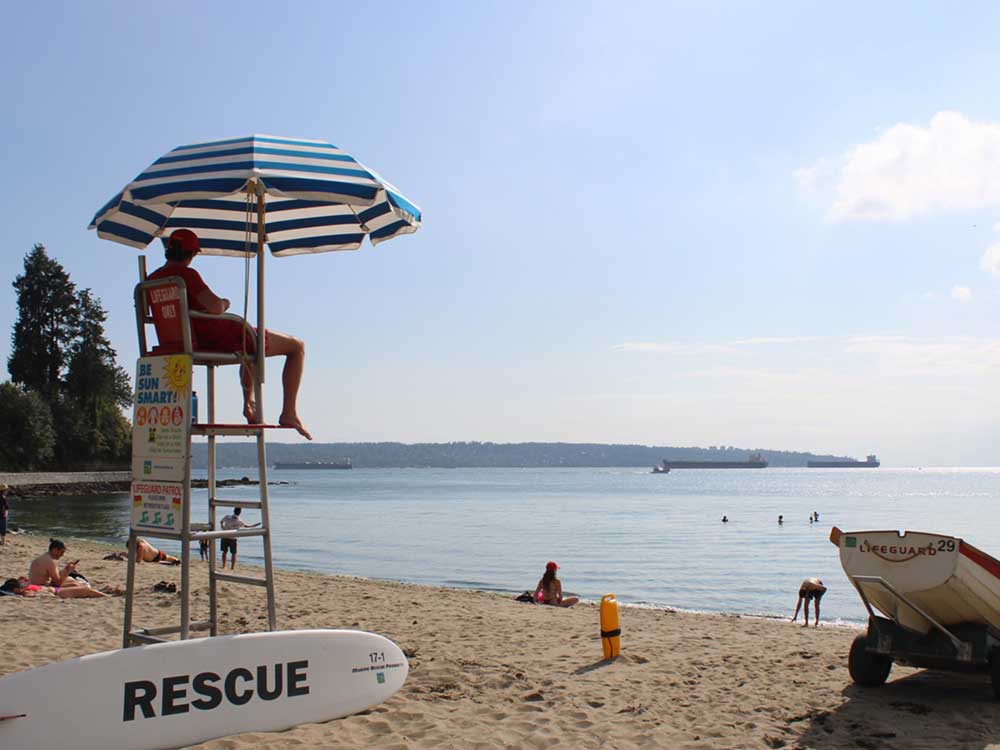
Warnings from Vancouver Park Board commissioners last fall that the city’s “zero means zero” 2026 budget would result in service cuts seem to be coming true as staff plan to halve the number of beaches and lakes with lifeguards from 10 down to five this summer.
If the plan goes ahead, Third Beach, Trout Lake, Sunset Beach and Spanish Banks East and West will not be covered by lifeguards.
Critics say this increases the risk of preventable injuries and deaths from drowning, as well as from alcohol overconsumption and collisions on the city’s seawall.
“Less than one per cent of drownings in British Columbia happen in lifeguard-supervised areas,” Lenea Grace, executive director of the Lifesaving Society’s B.C. and Yukon branch, told The Tyee.
“People of all ages and abilities like to go to the beach, and we know that people often overestimate their abilities. They sometimes are unaware of ocean currents and tides, and other conditions that could affect them.”
The Tyee requested an interview with park board staff, but they were not made available.
In an emailed statement sent to The Tyee, board communications staff said they are prioritizing lifeguarding the beaches with the highest traffic and incident response levels between the May and September long weekends: Jericho Beach, Locarno Beach, Kitsilano Beach, English Bay Beach and Second Beach.
“This approach supports a balanced, sustainable delivery of lifeguard services while continuing to prioritize public safety and reliable access for residents,” the statement reads.
The statement added that Trout Lake and Sunset Beach are often closed due to high levels of E. coli in the water.
“Beaches that will no longer be lifeguarded see lower swimmer volumes and fewer incidents, with several locations recording zero rescues,” the emailed statement reads.
Vancouver is an outlier in the Salish Sea in terms of having lifeguarded beaches, park board chair Tom Digby told The Tyee. “Few of the other beaches really have full-time, paid lifeguards.”
Digby said the decision about lifeguarding cuts was made by park board staff without input from the board’s commissioners.
“Any substantial change really does need to come to the commissioners for review. So we are going to be raising questions with staff to find out the basis for this decision and other layoffs,” Digby said.
Lifeguarding: More than drowning prevention
Craig Amundsen has been a park board lifeguard since 1989 and head lifeguard at Third Beach in Stanley Park since 2024. Amundsen is also a shop steward with the Canadian Union of Public Employees or CUPE Local 1004, the union representing the city’s lifeguards.
If the board had consulted lifeguards before making this decision, he would have told them the position is about more than preventing drownings.
Each beach has its own culture, Amundsen told The Tyee.
For example, Third Beach lifeguards oversee a weekly drum circle, a lot of public drinking and a stretch of the city’s seawall between Siwash Rock and Second Beach, where collisions, falls and even fights occur.
“Sometimes the larger crowds bring larger problems: too much drug use, too much alcohol. Enjoying the dancing and then quickly going into the water when you’re not a strong swimmer,” said Amundsen.
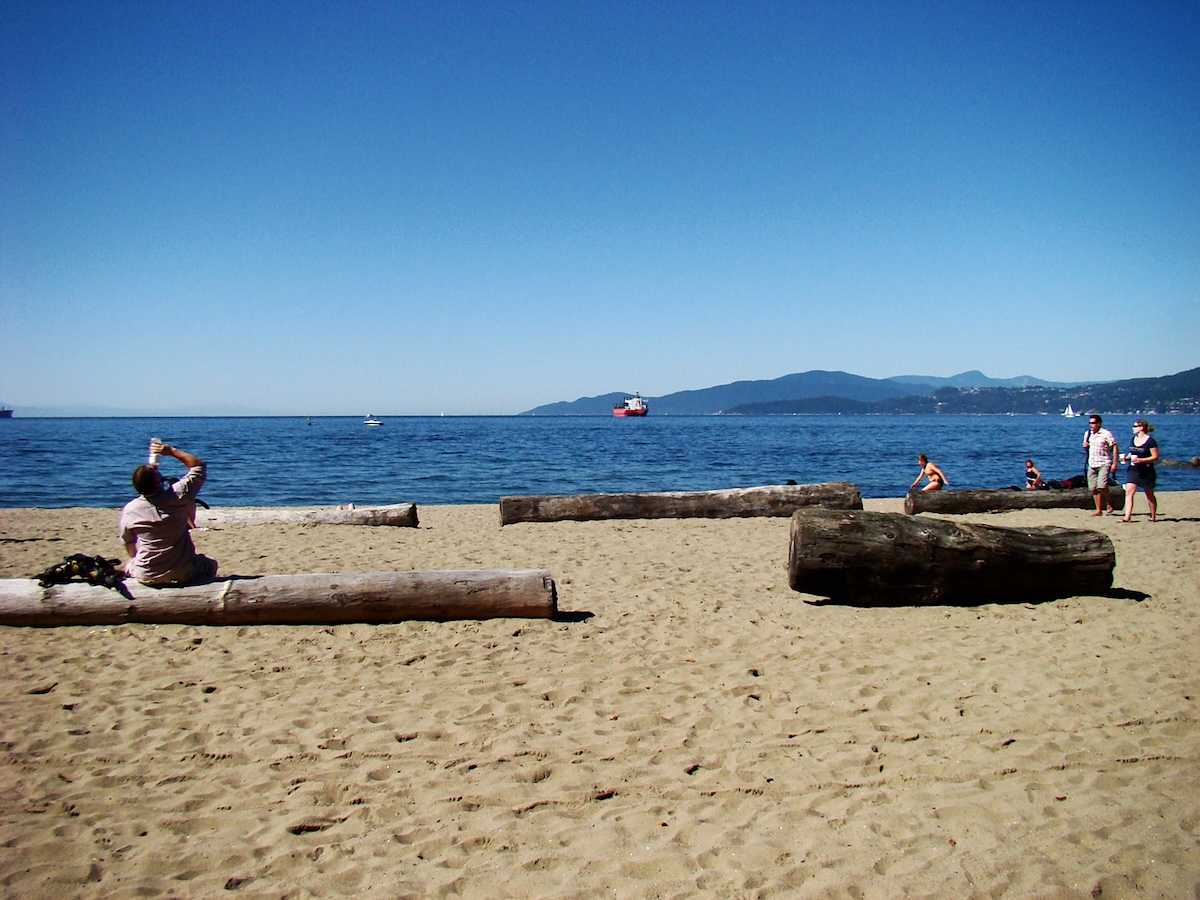
Unlike Spanish Banks, Third Beach is not a designated drinking beach, but it does see a lot of public alcohol use, Amundsen said. Lifeguards regularly respond to people who drink too much, while also keeping an eye out for unsupervised kids in the water and distressed swimmers.
“There will be no one there to help,” he said.
There are many long-distance, open-water swimmers who swim between Second and Third Beach, Amundsen added, and because of the landscape reducing visibility between the two beaches, even with lifeguards there are tragedies.
“Last year there were unfortunately some instances where people had some sort of severe medical issue and did not survive their long-distance swim,” Amundsen said.
This includes a person who was pulled from the water between Second and Third Beach last summer, as well as a person who died off Jericho Beach.
According to the BC Coroners Service’s report on accidental drownings between 2014 and 2024, Vancouver Coastal Health had the second-lowest percentage of accidental deaths by drowning of all the health authorities at 13 per cent, with Northern Health accounting for the least at nine per cent. Most drowning deaths occurred in the Interior Health Authority region.
Forty per cent of all accidental drownings during this period involved alcohol or drugs, and the vast majority of victims were men.
The Lifesaving Society’s 2025 Drowning Report found over half of drownings happened in lakes and rivers, while 14 per cent happened in the ocean. Most drownings in B.C. occur in the summer months.
The lifeguards at Spanish Banks, another location on the park board’s chopping block, play an important role in water rescues, Amundsen added, as divers who require hyperbaric chambers are often transported by the Coast Guard hovercraft to waiting ambulances at Spanish Banks.
The lifeguards at Spanish Banks West clear space for the hovercraft to land, Amundsen said, adding that happens a few times every summer.
‘A dangerous decision’
As climate change makes Vancouver’s summers hotter than ever before, more and more people are flocking to the city’s beaches, says Christine Baker, communications director for the Vancouver Open Water Swim Association.
At the same time, open-water swimming, defined as any swimming occurring outside of a pool, has been growing more popular in Vancouver since the COVID-19 pandemic temporarily closed swimming pools in 2020.
“Open-water swimming is a relatively cheap activity,” Baker said, adding people may think water looks calm enough to safely swim in, without realizing there are dangerous riptides or even sandbars they can get stuck on.
Cutting lifeguards from some of Vancouver’s beaches “seems like a dangerous decision,” Baker said.
“Lifeguards are also a relatively cheap way to make the beaches safe. If you have to call outside emergency personnel to deal with an incident, that’s incredibly expensive,” she added.
For his part, Amundsen is also concerned the reduction in lifeguarded beaches and lakes will exacerbate the current issue with attracting younger people to lifeguarding.
“A lot of younger, newer guards may not get work,” he said. “We will lose our next generation of people who might grow to love working at the beaches.”
Vancouver tried cutting lifeguards once before
This isn’t the first time the park board has tried to cut lifeguards, Amundsen told The Tyee, referring to a reversed 2012 decision to cut lifeguards at all but five beaches.
CUPE 1004 will be mounting a “vigorous opposition” to try to reverse the decision again, Amundsen said.
A park board commissioner’s motion to review or reverse this decision could be brought before the board as early as March 30, board chair Digby told The Tyee.
“If commissioners want to overturn it, they can, but I’m not sure that there’s appetite to do that,” Digby said.
“We are concerned about public safety,” he said.
The board is facing the possibility of cutting “dozens and dozens” of staff positions to stay within budget this year, Digby added, but they are trying to avoid cutting frontline jobs that interact with the public.
“We have such a wonderful tradition of lifeguards in Vancouver, obviously since Joe Fortes a hundred years ago,” Digby said, adding that Fortes had been named Vancouver Citizen of the Century.
If the cuts go ahead, there are additional steps the park board can take to make the unguarded beaches and lakefronts safer, Lifesaving Society’s Grace said.
These include posting signs warning no lifeguards are on duty, providing publicly accessible life rings and setting up life jacket loaner stations like the one they have at Cultus Lake in the Fraser Valley.
But these steps are no replacement for having a lifeguard, she added.
If Vancouver does cut lifeguards, Grace said, “we won’t unfortunately know the impact until the summer months. Lifeguarding is a preventative service.”
For every one drowning death, there are four instances of non-fatal drowning injuries, like brain damage, Grace added.
“Even one drowning is too many.” ![[Tyee]](/design-article.thetyee.ca/ui/img/yellowblob.png)
Read more: Health, Municipal Politics










Tyee Commenting Guidelines
Please note that email notifications for replies are not currently working due to a software issue which may be resolved in a future update.
Comments that violate guidelines risk being deleted, and violations may result in a temporary or permanent user ban. Maintain the spirit of good conversation to stay in the discussion and be patient with moderators. Comments are reviewed regularly but not in real time.
Do:
Do not: