


 SHARE:
It’s officially summer. Time to head to the beach, sip fruity cocktails on patios, wear white pants and go see some beautiful art. Galleries are ideal places to spend summer days. If you’ve had too much sun and are in danger of turning the colour of a broiled lobster, duck into the cooler climes, recharge and be reminded of the great and glorious stuff that humans can do.
It's summer art season, everyone! Here are five standout shows in Vancouver that are best enjoyed in the heat of July, when you can go out for ice cream after.
In Whistler, see ‘Gathered Leaves’ at the Audain
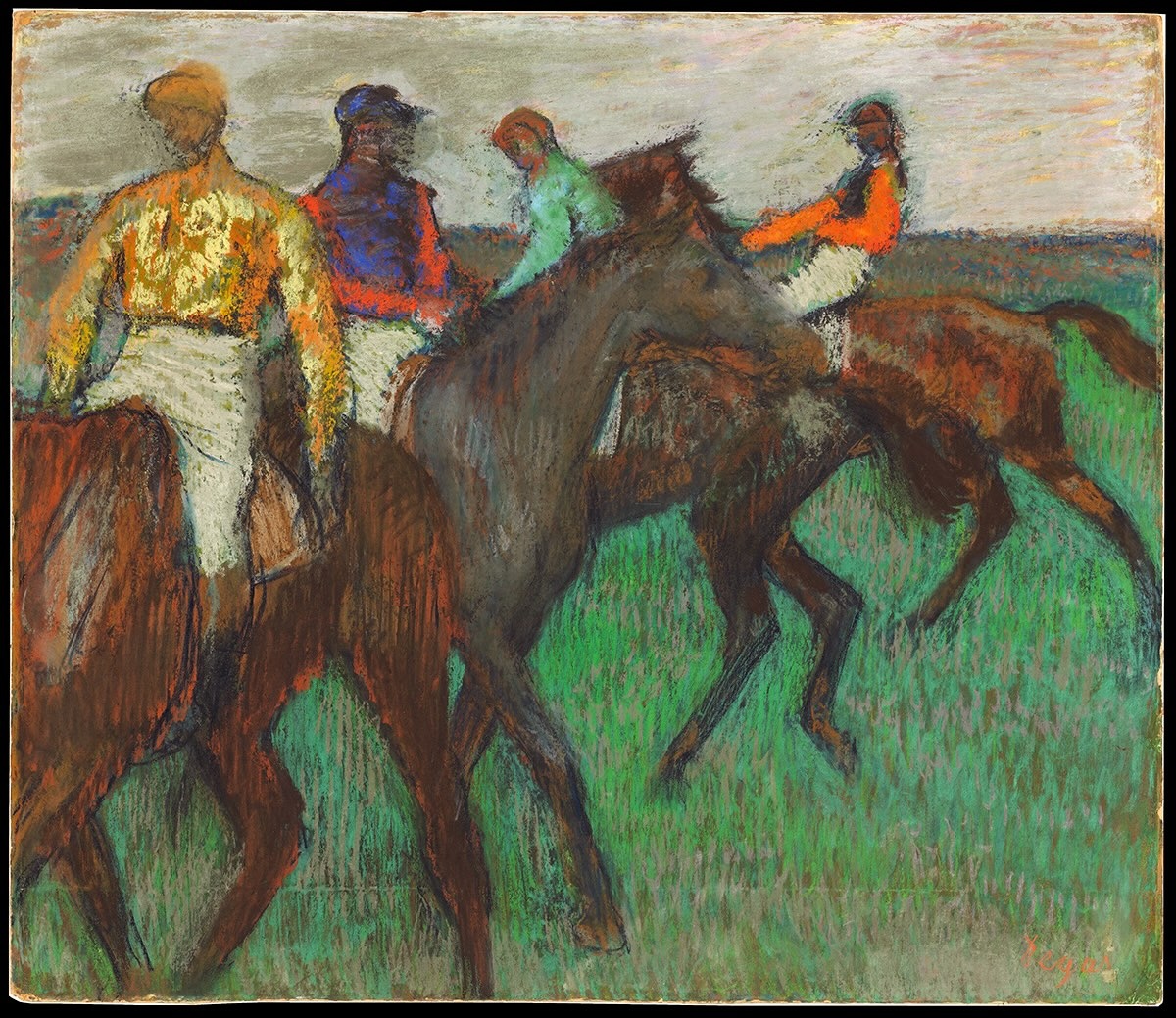
I cannot tell you how much I loved the Gathered Leaves: Discoveries from the Drawings Vault exhibition at the Audain Art Museum in Whistler without collapsing into a frothy, speaking-in-tongues-type frenzy. Yes, it’s that good, and it’s also a rare opportunity to take in seldom seen works from some of the greatest artists in the canon.
The exhibition, on tour from the National Gallery of Canada, principally features works on paper, as well as other works from the Department of Prints and Drawings. Established in 1921, the national department has been shepherded by a series of remarkable women. No need to trek to the Canadian capital to see it; the best in show has come to the West Coast.
From Picasso to Edgar Degas, the gang is all there. You’ll also find Élisabeth Louise Vigée Le Brun, Théodore Géricault, Gustav Klimt, Edvard Munch and Wassily Kandinsky, to name just a few super-duper stars. Illustrators like Aubrey Beardsley and Gustave Doré are also part of the show.
Drawings by their very nature are delicate, largely kept in the darkened archives, but here they are revealed in all their glory, humble and magnificent. Unlike other artistic media, there is an immediacy in drawing — a direct line between the physical and the ephemeral, expressed in the connection between hand and eye, as well as the brain, heart and spirit.
Many of the earlier works, some from as early as the 15th century, function as a time machine. The people who made the art are long gone, but their work remains and, in essence, a piece of these long-ago artists is still alive. We see their effort, deliberation and care, all condensed in the act of figuring out how to translate the world to the drawn image. It is a kind of immortality.
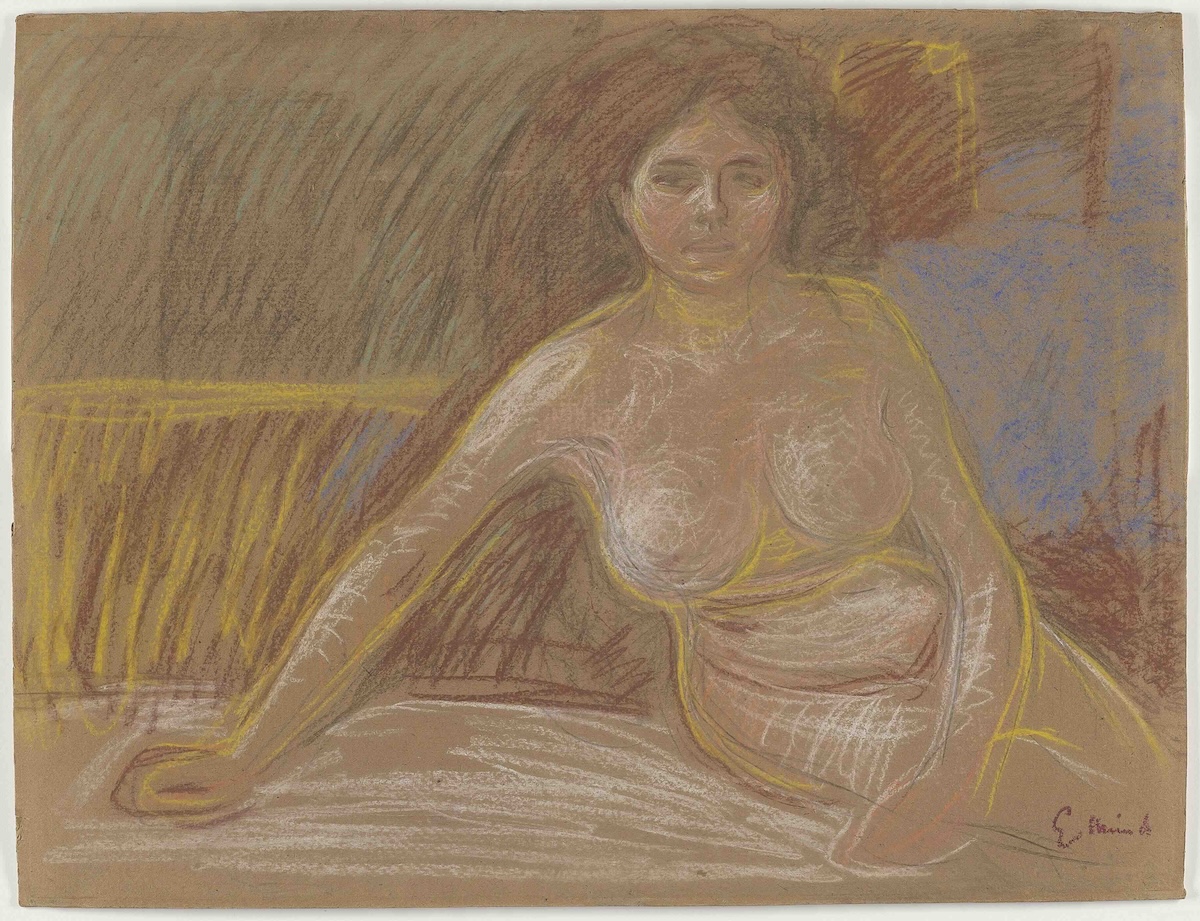
Some of the drawings are preparatory works or attempts to try things out before committing to more laborious and consuming iterations like oil painting or sculpture. In this aspect, there is a lack of preciousness to the works. They are honest, almost painfully so.
An example is Study for “A Deluge Scene” by early Romantic artist Anne-Louis Girodet de Roussy-Trioson. Made in 1795, it’s an attempt to figure out the action and block out composition. The quartet of figures, rendered roughly in black chalk on faded blue paper, are clear in their intentions, the emotions in every individual communicated with a few brisk lines. It is a portal not only through history, but right into the mind of the artist himself.
In other instances, work is created with a precision and attention to the smallest detail, such as the meticulous illustrations by 19th-century artist Gustave Doré.
As a celebration of pure draftsmanship, Leaves is well worth the trip. There’s so much on display: beauty, effort, invention.
It made me feel proud to be human, and that’s a hard feeling to come by these days.
The Audain is offering two dinner events in co-ordination with the exhibition on July 18 and Aug. 29. Heck, you could make a holiday out of it.
‘Gathered Leaves: Discoveries from the Drawings Vault’ runs until Oct. 13.
In North Van, Griffin Art Projects rocks its 10th year
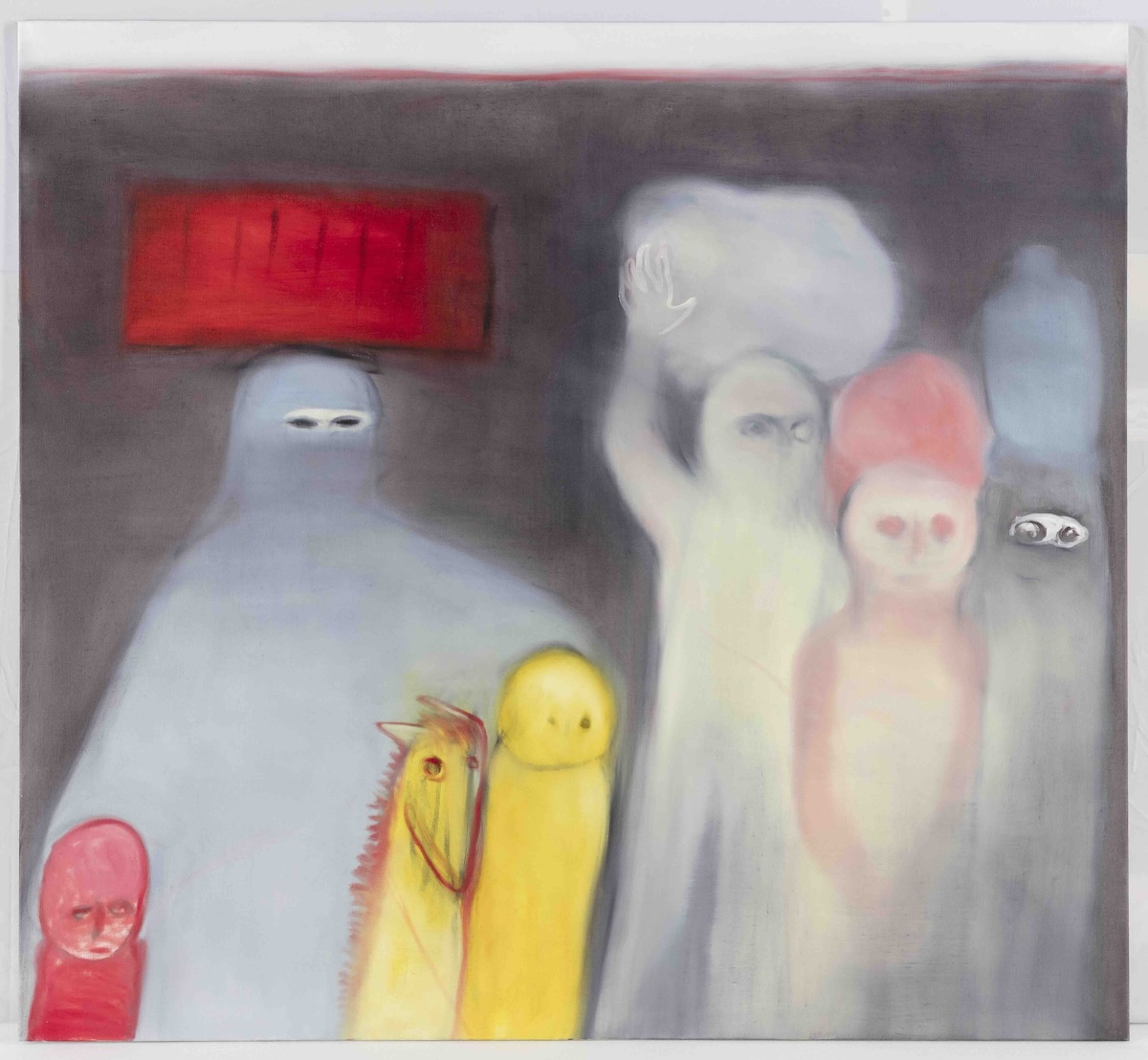
The curiosity of taste is at the heart of Griffin Art Projects’ walloping new exhibition, TENXTEN. It’s more like 10 shows, each idiosyncratic, individual and fascinating. Organized in honour of the Griffin’s 10th anniversary, it’s not so much a look back as it is a deep dive into the nature of collecting, or what draws a person to a particular piece of art.
Composed from 10 private collections with over 70 artists represented, TENXTEN is multidisciplinary, bounteous and brimming with colour, form, wit and a certain brio that reaffirms one’s faith in creative invention. As part of the exhibition, the Griffin is offering a series of conversations with the collectors themselves.
One of the more fascinating aspects of a well-curated show is the relationships that spring up unbidden between different pieces of work. Sometimes it’s direct, and other times more oblique. Serendipity has a role to play, and play it does, daylighting the connections between seemingly unrelated artists and their respective work.
In one section, Marcelle Ferron’s oil painting Arbre du Ténéré (Tree of Ténéré) from Michael Audain’s collection is ice-cream hued and overflowing with lavish colour and texture. It’s downright confectionary in its delectable, almost lickable shades.
On the opposite wall is Greg Girard’s large-scale photograph Hollywood Road 1997, courtesy of collector Bruce Munro Wright. Girard’s image conjures up feelings of Hong Kong auteur Wong Kar-wai in its cinematic richness and depth.
They speak to each other in curious ways, enriching the air between them with flavours and fragrance.
‘TENXTEN’ runs until Sept. 7.
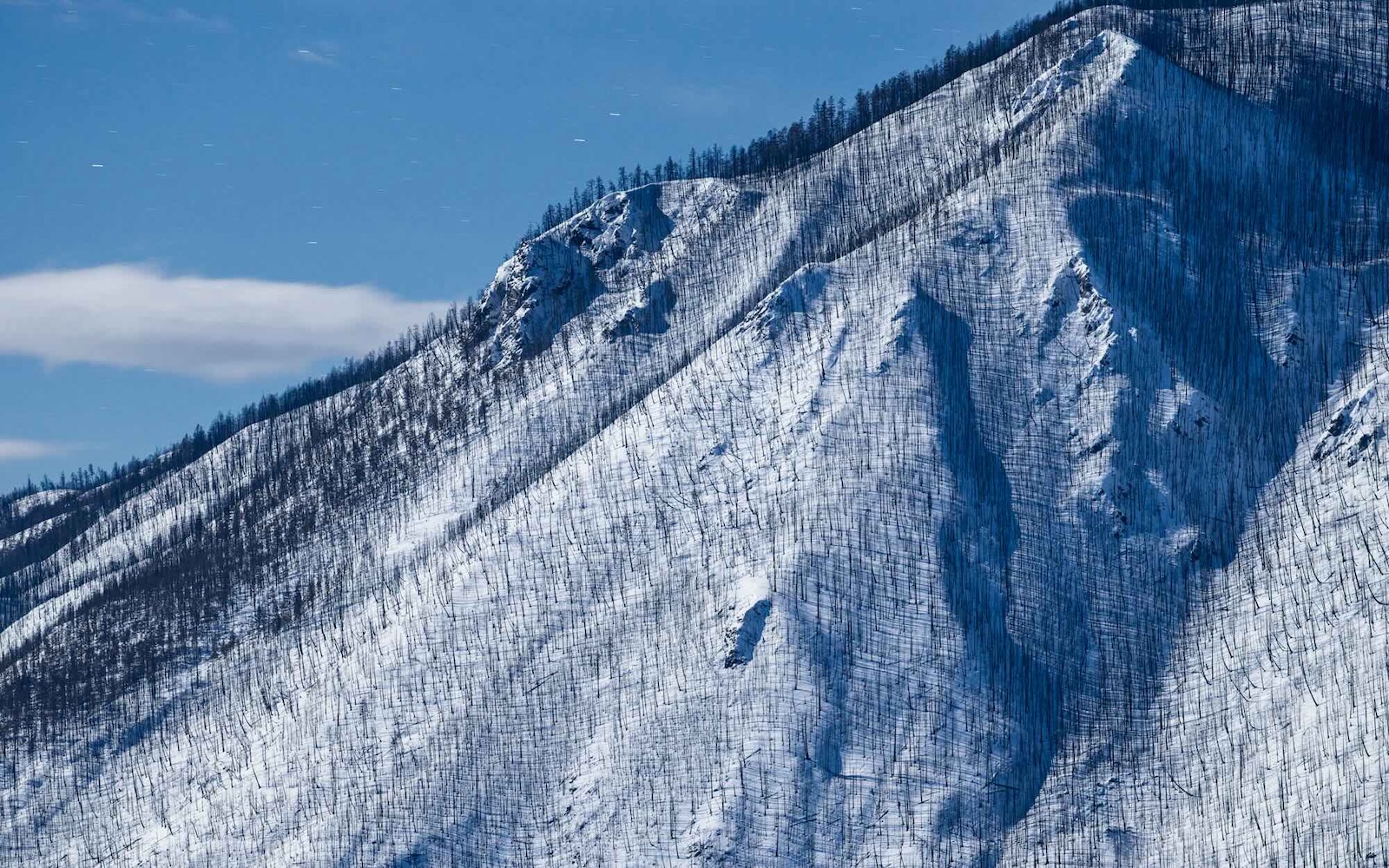
In Strathcona, Gallery 881 blurs night and day
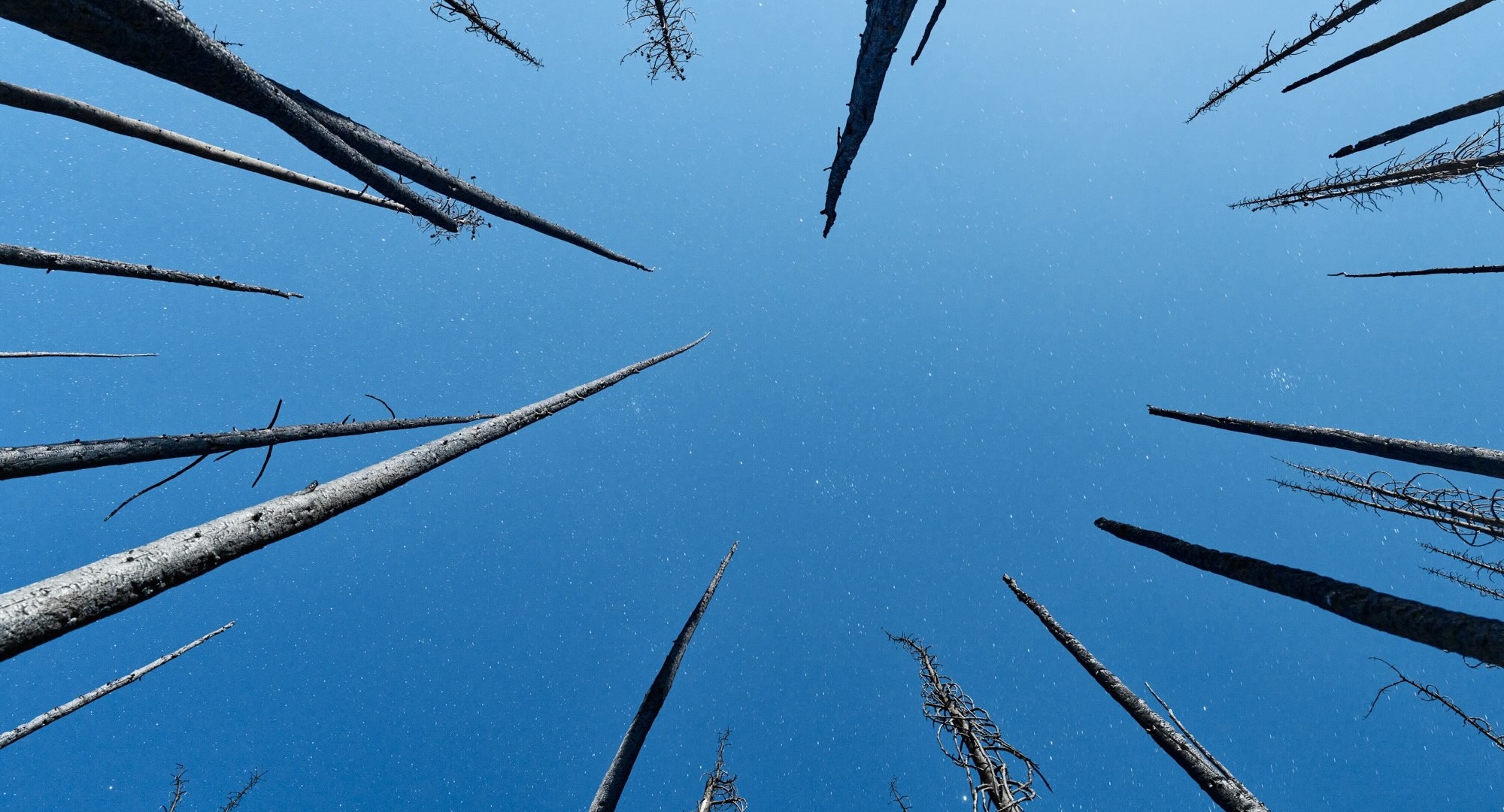
At first glance, photographer Andrew Latreille’s collection of cool-toned, large-scale images resemble drawings. Graphic marks criss-cross landscapes as though they were made by an extremely sharp pencil or a bit of fine charcoal. Look closer, and you’ll realize that each small line is in fact a burned tree.
Crossover takes its title from the term used by firefighters to describe what happens when the border between night and day is blurred as smoke blots out sources of light, creating an uncanny atmosphere.
Canadian Australian artist Latreille took the photographs between November 2021 and March 2023, using the lunar calendar to pinpoint nights when a full moon lent its otherworldly luminescence, giving the mountains and valleys a knife-edge clarity and deep blue light.
The remains of once-dense forests carve out negative space. Instead of an impenetrable wall of foliage, there is room for one’s gaze to roam, taking in details of form and structure, the undulating curve of a mountain slope, the unexpected cleft of a valley.
Looking at Latreille’s photographs, I thought of the eerie light used in films like The Night of the Hunter, when shooting day for night in film studios was a common practice.
The chiaroscuro treatment of light and shadow in Latreille’s work recalls a quality of dark fairy tale, but there is a curious form of beauty in the destruction depicted. In this way, the images in Crossover invoke Edward Burtynsky’s photographs of vanishing glaciers, currently on display at the Audain Art Museum in Whistler.
The scale and scope are similar, but there is an intimacy in Latreille’s images that draws in the eye and holds it still.
In addition to the prints, the burned remains of actual trees, Giacometti-like in their spectral skeletal shapes, offer a tactility to the experience.
If you touch them, ash as soft as cashmere comes away on your fingertips, a haunting but somehow ineffable reminder that even in the darkest moments, something extraordinary can come into being. It’s all in how you look at it.
‘Crossover’ runs until late July.
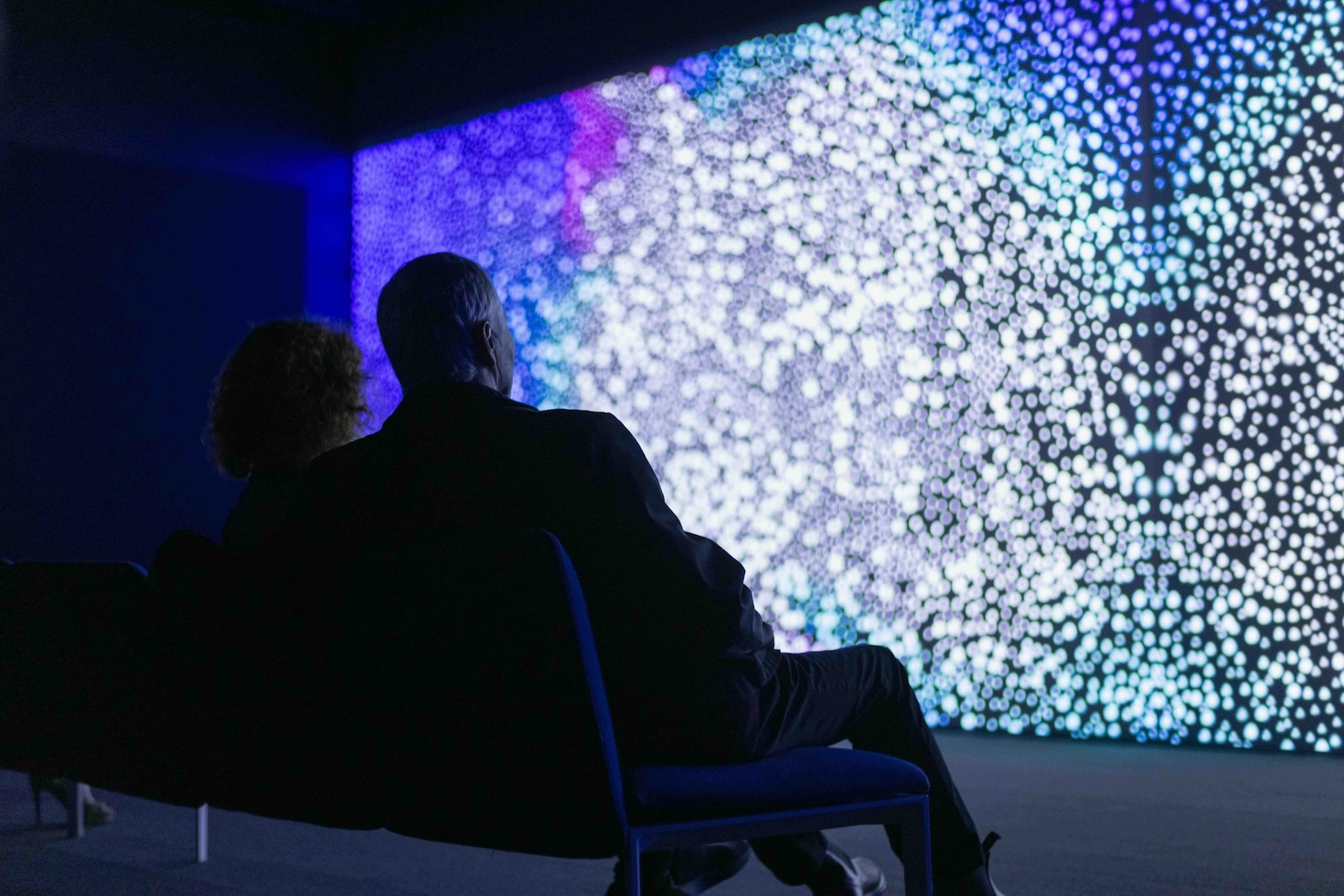
In Lower Lonsdale, the Polygon goes intergalactic
Star Witnesses, a new group exhibition at the Polygon Gallery in North Vancouver, is an ambitious assembly of work that expands upwards and outwards. It takes in the planet we’re currently crouched upon, busily fighting each other, and zooms out to the whole damn universe gazing down, wondering what all the humans are fussing about.
Look up, waaaaaaay up. Out there in the endless specked sparkling expanse of the night sky is a reminder that all our petty human stuff is small potatoes.
There is a lot to take in, including video installations from Daniel Boyd and Judy Radul’s This Is Television, so give yourself plenty of time. Some of the most startling works are also the simplest. Moon jars that take inspiration from the Korean ceramic art form are resplendent in their ivory rotundness. You could spend hours looking at them.
Other works from Vija Celmins, David Horvitz, Urban Subjects (Sabine Bitter, Jeff Derksen and Helmut Weber) and Paul Wong vary widely in their interpretations of the idea of space and the night sky.
The connections between the different works are where some of the most curious stuff arises. German photographer Thomas Ruff’s celestial portraits morph into the constellation maps from French Moroccan artist Bouchra Khalili. They follow the pathway between urban centres when the imaginary borders imposed by humans fall away.
Vija Celmin’s drawings take on the expanse of the cosmos using the humblest materials. Charcoal and an eraser pop out the stars.
At the opening of the exhibition, Polygon curator Monika Szewczyk was clearly emotional about her journey in bringing the exhibition into being.
Much of the work came from profound struggle. U.S. artist Carrie Mae Weems’ series is inspired by the story of her grandfather Frank Weems, a labour organizer. In 1936 he survived a near-fatal beating by a racist mob.
Left for dead by the side of the road, Weems walked almost 600 miles from Earle, Arkansas, to Chicago, Illinois, navigating his journey by the light of the North Star.
In Chicago, he started his life over again. He hid his identity and left behind his wife and eight children.
In his granddaughter’s work, his lonely trek for survival endures.
In the song “Astral Plane,” Jonathan Richman sings, “I’ll prove my knowledge of what’s inside when I intercept you on the astral plane.”
You don’t have to go all the way into outer space, though. The Polygon is just a hop, skip and easy SeaBus ride away from downtown Vancouver.
‘Star Witnesses’ runs until Sept. 28.
At Science World, there’s Lego for everyone!
Connections are funny things, popping up in the most unlikely locations. While the contemporary art in the Polygon exhibition might seem a galaxy away from Science World, the spatial connection is there. Lego in space, to be exact! Lego is another wild form of creativity that you can directly lay hands on.
Take your budding artist or scientist and let them dream of the stars and build the means to get there, all out of Lego bricks.
‘Artemis Space Adventure with Lego Bricks’ runs until April 2026. ![[Tyee]](/design-article.thetyee.ca/ui/img/yellowblob.png)
Read more: Art







Tyee Commenting Guidelines
Please note that email notifications for replies are not currently working due to a software issue which may be resolved in a future update.
Comments that violate guidelines risk being deleted, and violations may result in a temporary or permanent user ban. Maintain the spirit of good conversation to stay in the discussion and be patient with moderators. Comments are reviewed regularly but not in real time.
Do:
Do not: