


 SHARE:
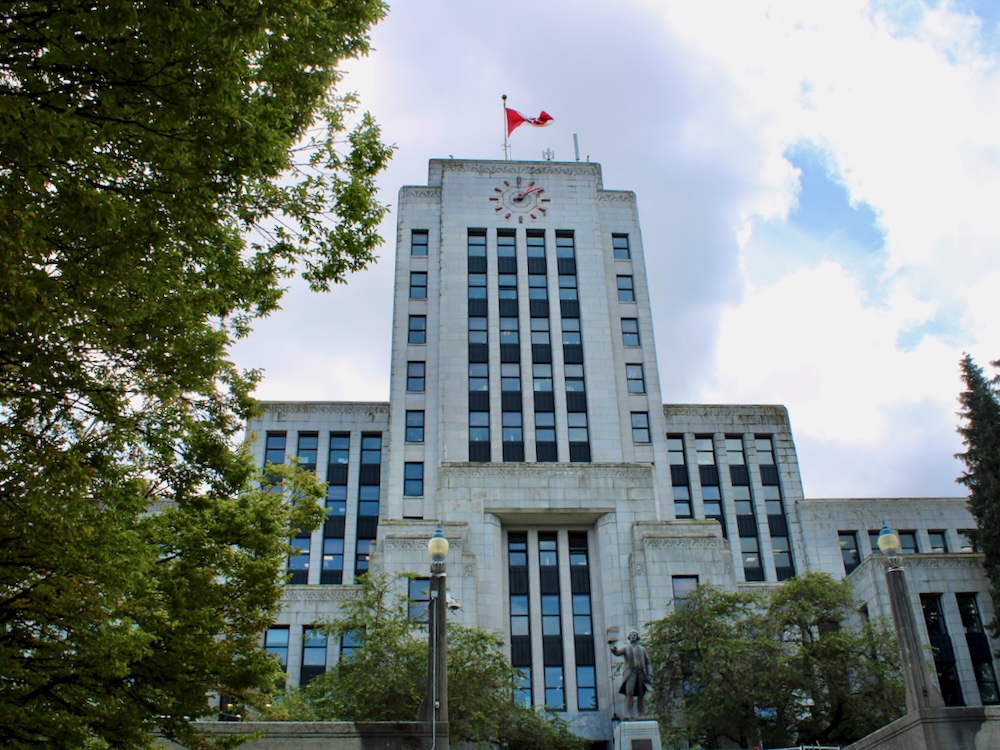
Last week, Vancouver city staff sparked confusion and alarm when they suggested council vote to end the terms of 10 of their 11 community advisory committees next month, seven months earlier than planned.
But less than a day before the council meeting, the “Change to Council Advisory Committees Term Dates” report city council was supposed to vote on was quietly withdrawn from the meeting agenda.
In a statement from the city emailed to The Tyee, no explanation for the withdrawal was provided.
“Staff are considering alternative approaches to manage advisory committee support in light of the significant demands on council and staff capacity throughout 2026,” reads the statement.
“The City values the time, expertise, and community knowledge that advisory committee members contribute, and the important role they play in informing the City’s work.”
With the World Cup coming to town in late spring and a municipal election scheduled for mid-fall, the report from city staff argued there was no staff time to accommodate the work of 10 of their 11 council advisory committees.
The committees advocate on behalf of people with disabilities, women, racialized people, Indigenous residents, seniors, people who struggle to afford food, and renters. There is also an advisory committee that focuses on transportation issues.
The only committee staff advised keeping was the urban Indigenous advisory committee.
For the advisory committees, staff had presented two options to city council: either cough up $160,000 — in an already tight budget requiring staff to find at least $120 million in cuts — for a couple of extra city staffers to lighten the bureaucratic load, or end the volunteer-run advisory committees on Jan. 30, instead of their scheduled Nov. 1 term end.
Staff estimated the 11 committees cost about $11,000 in total per year to run, including spending on meals and transit, child care and parking vouchers for their volunteer members.
A city clerk takes notes at committees’ regular meetings held once every two months, and staff from different city departments make presentations during committees’ meetings on new projects, plans and other issues coming before council that affect the communities they represent.
Committees also meet for group sessions outside their regular meeting schedule, which don’t require a city clerk’s presence, to work on motions or proposals to bring to regular meetings. Committees produce meeting reports for councillors and sometimes deliver presentations to council about their work.
“We have always tried to tread a line which doesn’t set us up in opposition or in contention with any particular political party,” said Rob Hadley, co-chair of the 2SLGBTQ+ advisory committee. “We tend to deal issue by issue.”
For example, the racial and ethnocultural equity advisory committee was the impetus for a successful motion to have mayor and council undergo anti-racism training, as well as a failed motion this past summer asking council to compel the school board to conduct a review of the school liaison officer program.
“At a time in 2025, where you would cut a committee full of racialized people who are advising mayor and council and who are bringing issues forward that really matter to racialized people in this city, it’s just not OK,” said Stephanie Kallstrom, chair of the racial and ethnocultural equity advisory committee, who spoke to The Tyee before city staff withdrew their report.
Ending committees would have silenced many marginalized voices in the city, concurred Peter Brown, chair of the persons with disabilities advisory committee, who also spoke to The Tyee before the report was withdrawn.
“It might be low-hanging fruit for some, but if you do an honest, open analysis of what we bring, I think it’s something that needs to be valued,” said Brown.
“It’s hard to wave the flag of being a diverse city that’s inclusive when you don’t really want to hear from those that need to be heard from.”
With committees’ term ends remaining in November, they have plenty of work to carry out over the next 11 months, Hadley added, with end-of-year annual reviews, the city’s Older Persons Strategic Framework and advising on the FIFA World Cup 2026 human rights action plan, to name just a few projects.
But the reversal of city staff’s proposal, in the face of backlash from both councillors and the public, is a sign that the committees’ work is valued, said Hadley, who uses they/them pronouns.
“There’s a degree of relief among people on the advisory boards, and a bit of a sense of something of an endorsement of what we’re doing,” they said. “That’s actually a positive that’s come out of this.” ![[Tyee]](/design-article.thetyee.ca/ui/img/yellowblob.png)
Read more: Municipal Politics











Notice about commenting changes
The Tyee’s commenting system will be moving to a new platform on Nov. 12. If you’re already a Tyee commenter you must register with the new system on or after Nov. 12 with your preferred username.More information can be found here.