

 SHARE:
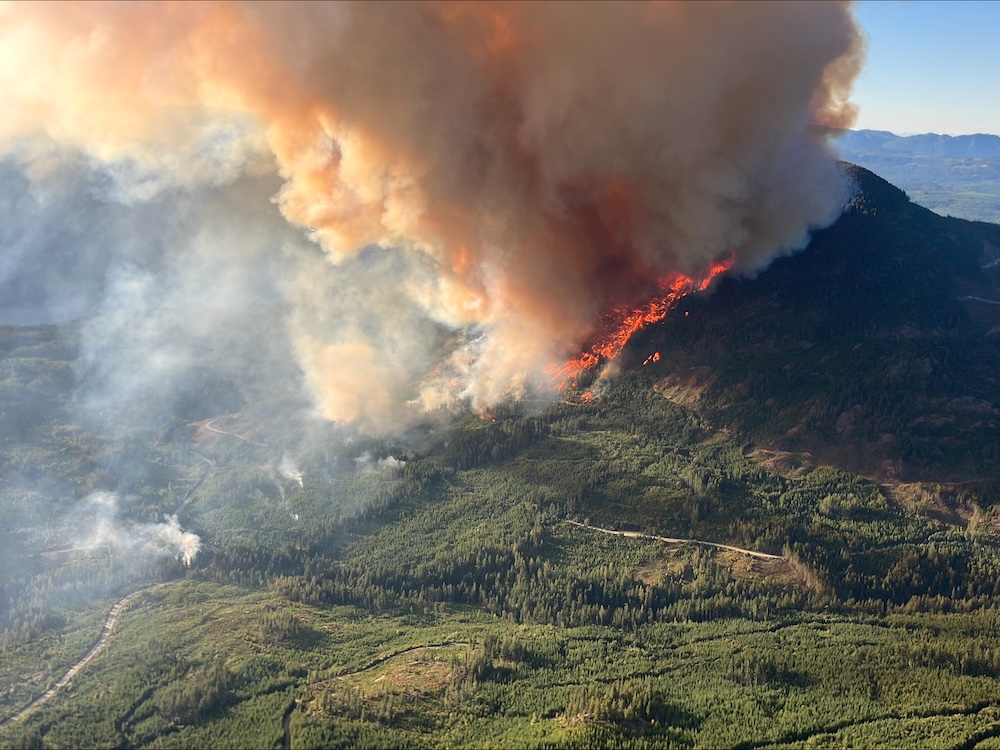
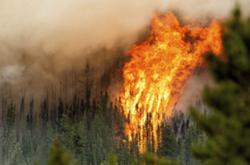
Monster wildfires tear through vast stretches of territory and force entire communities to flee. Thick smoke chokes urban centres hundreds of kilometres away. It’s an all-too-common summer scenario for Canadians today.
However, even as climate change fuels more frequent and intense wildfires, governments can reduce the damage and protect lives and livelihoods with proactive, targeted actions.
That means strengthening policies that guide where and how we build, investing in land and fuel-management strategies, supporting Indigenous leadership and stewardship, expanding emergency-response capacity and accelerating emissions reduction.
The solutions are within reach, but they require governments to lead with urgency, co-ordination and commitment.
The situation is getting worse
Wildfires are growing in size and intensity, leaving long-lasting impacts on communities from coast to coast to coast. In 2023, Canada’s worst wildfire season on record burned a total area more than six times the annual average. This year is on track to become the second-worst season.
Forecasters warn that extreme fire weather could persist or worsen through the rest of this summer in many parts of the country.
The consequences are severe: evacuations, lost homes and infrastructure, costly firefighting efforts and the tragic loss of lives.
More than 230,000 people were evacuated during the 2023 season. That same year, insured wildfire damages neared $1 billion, with B.C. reporting the highest wildfire costs in its history.
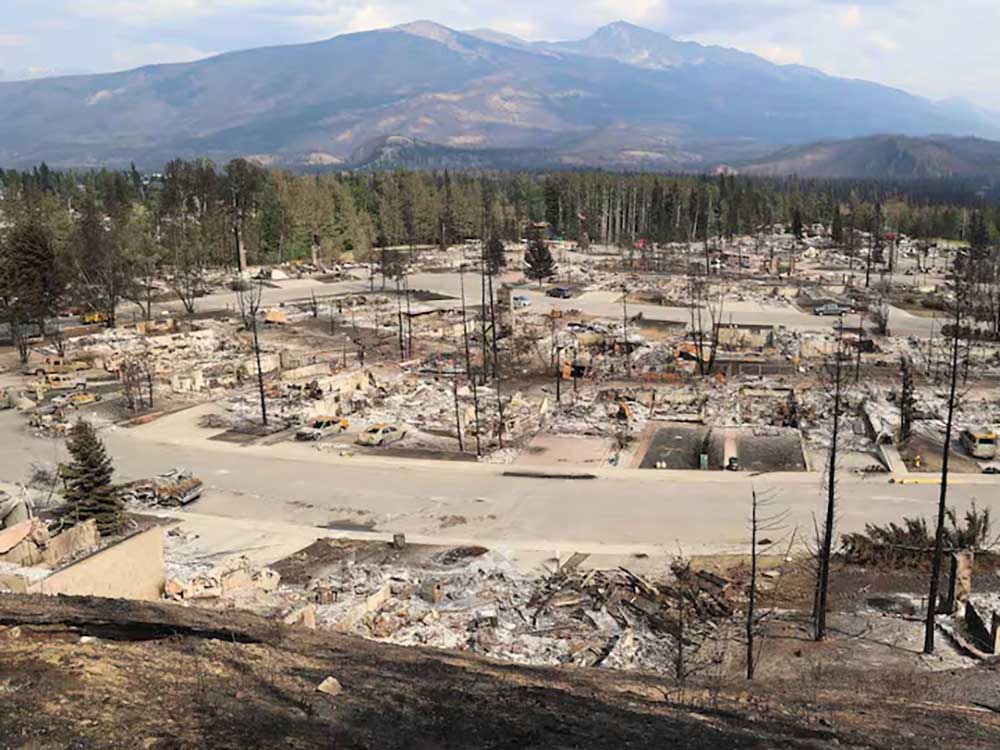
In 2024, the Jasper, Alberta, wildfire became one of the costliest in Canadian history, with insured damages topping $1.2 billion. This was second only to the 2016 Fort McMurray, Alberta, fire with insured losses of about $4 billion and nearly $11 billion in total direct and indirect costs.
Climate change is bringing a dangerous new normal
Climate change is increasing wildfire risk in many ways. More lightning strikes ignite more fires. Earlier snowmelts, hotter and drier weather and pest-ridden forests help create ideal conditions for intense wildfires to spread. The number of large fires and the total area burned have grown significantly since the mid-20th century.
A warming climate is also shifting where wildfires strike. While Western Canada has historically borne the brunt, the threat is now national. Climate change more than doubled the likelihood of extreme fire conditions in Eastern Canada in 2023. By century’s end, the number of days when fires spread actively may double or triple in the region.
This shift is already catching communities unprepared. When Nova Scotia faced its largest-ever wildfires in 2023, Halifax firefighters, trained for structure fires, weren’t equipped for the wildland blazes. In Ontario, the Red Lake 12 fire just became one of the biggest on record in the province, amid shortages of fire rangers and water bombers.
The risks Canada faces today aren’t just from climate change. They also stem from choices governments made about where to build infrastructure and how to manage land.
Communities have continued to expand into the wildland-urban interface — areas where development meets wildland vegetation — despite the known wildfire risk. These areas are particularly exposed and fires can spread from them to populated regions. About 12 per cent of Canada’s population now resides in these zones.
Recent analysis from the Canadian Climate Institute shows that financial losses from wildfires could more than double by 2030 if federal housing targets are achieved in line with current development patterns.
British Columbia would see massive financial losses, with significant losses in Manitoba, Saskatchewan, Alberta, Ontario and Quebec as well.
Firefighting policy has also played a role. With past efforts to suppress wildfires, forests have accumulated excessive vegetation that would otherwise be burned in lower-severity wildfires. Over time, this overgrowth has provided fuel for more severe and uncontrollable fires. Research shows the risk is particularly acute near communities in the boreal forest, where fire suppression has been most intense.
Indigenous Peoples have long used controlled burning to protect communities and enhance ecosystems. However, colonial governments banned the practice, adding to the problem.
Five actions governments can take now
Canada must shift from reacting to wildfires to preparing for them. That means updating how and where infrastructure is built, how forests are managed and how emergency responses are supported.
Here are five key actions governments can take to reduce wildfire risk — noting that no single strategy can solve the problem by itself.
Stop encouraging building in harm’s way. Provinces and territories should establish policies to direct housing and infrastructure development, as well as public funding, from the highest-hazard wildfire zones to areas of lower risk. The federal government should support this by ensuring that housing and infrastructure funding is directed to low-risk locations. Governments also need to invest in wildfire-hazard mapping, which is incomplete or absent in most parts of Canada, to inform better decision-making.
Make new development fire-resilient. Programs such as FireSmart offer practical guidance to help communities reduce risk, from using fire-resistant materials to maintaining defensible space around homes. However, these programs are voluntary. Provincial and territorial governments should incorporate these principles into building codes and land-use policies. This would not only protect individual homes but also reduce the risk of fires spreading in communities.
Manage forests and reduce wildfire fuel. Provincial, territorial and federal governments should ramp up fuel management to reduce flammable vegetation in overgrown forests near communities. Fuel-management techniques that can lower wildfire intensity include fuel thinning, where trees and undergrowth are selectively removed, and prescribed fire, which is a planned fire that takes place under select weather conditions. Governments should also support the use of traditional Indigenous knowledge to manage fire, such as through cultural burning.
Strengthen firefighting capacity. Canada’s worsening wildfire seasons are stretching firefighting resources too thin. Remote and Indigenous communities are particularly exposed but often have less capacity to respond. Governments should increase funding for wildland firefighting and emergency response, and improve co-ordination to manage multiple concurrent fires. Adequate compensation and support would also help retain skilled wildland firefighters.
Cut carbon pollution to avoid runaway risk. The faster Canada cuts its carbon emissions, the more damage we can avoid. Limiting global warming to 2 C above pre-industrial levels can prevent the most catastrophic impacts.
Governments at all levels face a clear choice: continue with business as usual and see fire seasons grow worse or take bold action to reduce risk, protect people and ensure public resources are spent wisely. The answer is clear. ![[Tyee]](/design-article.thetyee.ca/ui/img/yellowblob.png)
Read more: Environment







Tyee Commenting Guidelines
Please note that email notifications for replies are not currently working due to a software issue which may be resolved in a future update.
Comments that violate guidelines risk being deleted, and violations may result in a temporary or permanent user ban. Maintain the spirit of good conversation to stay in the discussion and be patient with moderators. Comments are reviewed regularly but not in real time.
Do:
Do not: