



This series by Ernest Lang, a B.C.-based expert in real estate finance, argues that the current housing system is intrinsically too risky and protracted for private developers to build homes middle-class Canadians can afford, consistently and at scale, especially in the largest cities. Instead, Canada should treat middle-income housing as what it is: core social and economic infrastructure.
The cost of money is critical, and public developers can bring it down because they borrow at government rates, can shorten approval timelines and can hold homes through downturns.
Lang proposes letting the federal Build Canada Homes borrow against the homes it builds, and creating public developers in the provinces, which control land use and zoning, with private builders doing the construction. Those public developers could buy unsold condos when the market stalls and offer them as rentals or through other paths to ownership, from rent-to-own and shared equity to life leases and price-restricted homes like Whistler’s.
The series makes the case for a made-in-Canada housing system. Lang draws inspiration from Canada’s home-building push after the Second World War, from European cities such as Vienna and Copenhagen, where social and non-profit housing makes up a large share of homes, and from the country of his birth, Singapore, whose government-enabled home ownership strategy helped achieve high social and economic outcomes.


In This Series

The Nation-Building Strategy Nobody Can Tariff
Why Mark Carney should get government far more involved in delivering affordable housing for Canadians.
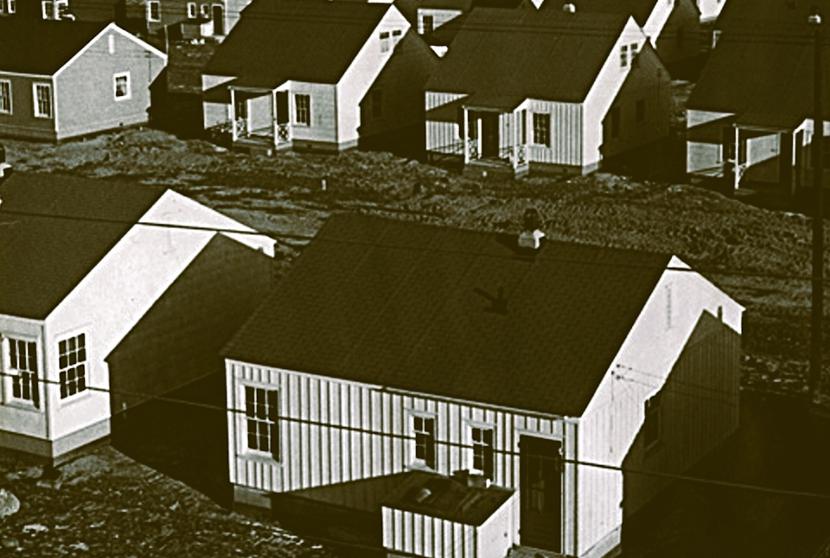
War Showed How to Respond to Canada’s Housing Crisis
Government once built plentiful homes fast. Today is different, but there’s plenty to learn from Wartime Housing Ltd.

Why a Housing Shortage Despite a Condo Glut? Follow the Money
The cost of financing, more than lumber or labour, drives housing. Let’s put public credit behind a public builder. Part 3 in a series.