

 SHARE:
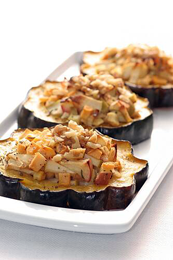
It's war vegetable season. That's the way James MacKinnon saw the winter months when he and Alisa Smith set out to eat a 100-Mile Diet of local foods in 2005. MacKinnon had once worked with an organic farmer who'd been a child in Europe during the Second World War. The farmer could remember walking the railway tracks to find vegetables that might have fallen off of passing trains: turnips, onions, potatoes, maybe cabbage. Tough foods for hard times.
Is eating locally through the winter more a matter of survival than of pleasure or good health? The surprising answer is an emphatic "no." Vancouver-based registered holistic nutritionist Paula Luther is an adherent of year-round local eating for the sake of nutrition. "If we look at what's in abundance right now, we have lots of squash, carrots, things like that, which are actually beneficial at this time of year," she says. These winter foods are rich in beta-carotene, antioxidants, vitamin A -- just the sort of nutrients our bodies need to fight off colds and maintain energy levels for the season.
Heavy mileage
Luther estimates that 50 per cent of her diet is derived from local sources through the cold, wet months. "It's a bit more of a challenge because I'm vegan, so I'm not eating locally raised beef or seafood," explains Luther. Instead, Luther combines whole grains and legumes to create complete proteins. Both of these foods typically travel to B.C. from the Prairies or points more distant, though both can -- and historically have -- been cultivated on the coast. Luther hopes that the current interest in local foods will lead a local producer to realize the opportunity.
Of course, most North Americans are accustomed to walking into the grocery store and purchasing whatever foods they like without any seasonal interruptions. This is one of the biggest selling points of the industrial food system. It comes at a price, however -- a peach in the local supermarket this time of year has literally travelled from the other side of the world, where the Southern Hemisphere is enjoying midsummer. Producing and transporting the peach will consume many more calories of energy, most of them burned as fossil fuels, than the fruit itself will provide to the person who eats it. According to Andy Jones, the author of Eating Oil: Food in a Changing Climate, a typical calorie of food energy in the industrial food system will require ten calories of input energy. In an extreme example, it takes 127 calories of energy from aviation fuel alone to deliver one calorie of iceberg lettuce to the U.K. from the United States.
Spice of variety
At the same time, many North Americans underestimate the variety of foods that are available locally through the winter. MacKinnon and Smith, for example, topped up their larder with the following at the December farmers' market in East Vancouver: red and orange carrots; three kinds of potatoes; sunchokes, a.k.a. Jerusalem artichokes or sunroots; fennel bulbs; apples; hazelnuts; Swiss chard; various squashes; beets; parsnips; leeks; eggs; and three kinds of cheese.
According to Cynthia Sass, a national spokesperson for the American Dietetic Association and instructor at the University of Southern Florida, one of the most important aspects of eating with the seasons is that it leads people to consume a broader diversity of foods, and therefore of nutrients, rather than repeating the same weekly routine of meals. "People have heard some of the messages about nutrition -- they've certainly heard about saturated fat, whole milk, and fatty meat and all of that -- but they're still missing the significance of variety," she explains.
Our knowledge of nutrition is often peppered with misconceptions, says Sass. "We have certain foods in our minds that we associate with different nutrients, and we think if we don't eat that particular food we're not going to get that nutrient. But actually, there are a lot of foods that are rich in these nutrients. So even if you weren't eating, you know, oranges all year round, it doesn't mean you won't get vitamin C," she says. For example, potatoes and cabbage are also potent sources of vitamin C.
Ripe is nutritious
"I'm a big fan of local eating," says Sass. "When things are grown far away, they're typically harvested early and they're not allowed to fully ripen. Nowadays, we know a lot more about these naturally occurring substances in produce -- it's not just vitamins and minerals, but all these phytochemicals and really powerful disease-fighting substances -- and we do know that when a food never really reaches its peak ripeness, the levels of these substances never get as high."
Finally, she says, eating from your local landscape doesn't have to mean you can't enjoy the bounty of the warmer months. It only means that you have to plan ahead. "I always highly recommend that people buy foods at the farmers' market when they're at their peak, freeze them, and then consume them within the next six months," says Sass.
While most of our grandparents, or certainly our great-grandparents, didn't think too much about nutrition, they did prepare for the coming winter. Pantries full of canning jars and root cellars were the norm. Today, the skills of food preservation are making a comeback. "When you go to the farmers' market, the people who grew [the food] are probably some of the best people to ask because, 'They grow it, they know it,'" says Sass. "But if you can take the time to make sure you have the skill and knowledge you need to fulfil your calorie requirements, then I think it's fantastic. Amazing. Even if we could just get people a little bit closer to that, it would be great."
Vancouver's monthly winter farmers' markets continue this Saturday, Jan. 6, at the WISE Hall. For more information on where to find local food in B.C., visit FarmFolk/CityFolk.
Related Tyee stories:
![[Tyee]](/design-article.thetyee.ca/ui/img/yellowblob.png)












Tyee Commenting Guidelines
Comments that violate guidelines risk being deleted, and violations may result in a temporary or permanent user ban. Maintain the spirit of good conversation to stay in the discussion.
*Please note The Tyee is not a forum for spreading misinformation about COVID-19, denying its existence or minimizing its risk to public health.
Do:
Do not: