


The B.C. Ministry of Advanced Education and Labour Market Development says it is “pleased” with an Aboriginal school completion rate of 49%.
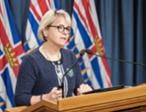
In a December 3 news release, Minister Moira Stilwell praised the latest data on student achievement:
“We are pleased with the results and the gains that Aboriginal students have made.
“Through Aboriginal education enhancement agreements and the development of courses such as BC First Nations 12 and English 12 First Peoples, we are working with boards of education to engage Aboriginal students and empower them to continue their studies through secondary school and beyond.”
The release defines the completion rate as the number of students who graduate with a Dogwood diploma within six years of entering grade 8.
It also noted that this year’s provincial completion rate is 79%, about where it has remained since 2003-04.
In an email to The Tyee, Rich Overgaard of the B.C. Teachers’ Federation said of the Aboriginal completion rate: “The government says it’s a ‘record high’ even though it was 47% last year and 48% the year before. The attempt to somehow make it ‘good news’ is odd considering aboriginal graduation rate has been essentially static for 5 years.”
Overgaard cited three recommendations passed at the BCTF annual general meeting last March. The recommendations urged the government to ensure that targeted funding is reaching aboriginal students. They also asked faculties of education to make courses in Aboriginal history and antiracism training mandatory for student teachers.
“The BCTF continues to make this a priority and wants to see action,” Overgaard said.
The Ministry of Education has made completion rates available online by school and district.
Crawford Kilian is a contributing editor of The Tyee.





What have we missed? What do you think? We want to know. Comment below. Keep in mind:
Do:
Do not: