


A child and youth advocacy organization is calling out the provincial government for creating a poverty strategy without money for new programs and policies.
The provincial government's community-based poverty reduction strategy, announced this past spring, will begin this fall in seven B.C. communities: Surrey, New West Minster, Kamloops, Cranbrook, Prince George, Stewart, and Port Hardy. If successful they plan to spread to 20 communities by the end of 2012, and 47 by 2015.
Organized around the idea there is no "one size fits all" strategy for reducing poverty -- as distinct from the 11 province and territory-wide strategies that exist or are in development -- government officials will begin to work with 10 to 15 impoverished families in these communities in September.
That's not enough to make a substantial dent in poverty in B.C., let alone eradicate it, according to First Call: BC Child and Youth Advocacy Coalition. In BC's "Alleged" Poverty Reduction Strategies report released by First Call today, the organization says the strategy is pointless without money and province-wide policies.
"If the BC government wants to be taken seriously on poverty reduction, it has to give top priority to raising welfare rates, raising wages in low-wage jobs and removing barriers to earning income, such as the lack of affordable child care," reads a statement from Adrienne Montani, provincial coordinator of First Call, in a press release sent out today.
"Regional strategies and community involvement are important, but only if they complement action to boost the incomes of poor families."
The report notes some of the federal programs already successful in lifting families out of poverty, like the Canadian Child Tax Benefit or Employment Insurance, are one-size fits all programs.
In addition, assuming the 400 families the government hopes to help by the end of the year have two kids each, the report says the 800 children assisted by the localized program represent just 0.1 per cent of the 87,000 children believed to be living in poverty in B.C. today.
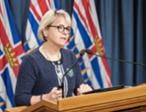
In an emailed statement to The Tyee, Minister of Child and Family Development Mary McNeil says B.C. is already ahead of the many governments with province and territory-wide plans by increasing minimum wage to $10.25 an hour this year and building affordable housing.
"We've focused on early child development through StrongStarts, Neighbourhood Learning Centres and full-day kindergarten expansion; we've introduced health and family supports such as the nurse home visitation program and eliminated or reduced MSP premiums for low-income families," reads McNeil's statement.
"Working directly with families will help us to understand the unique issues and challenges that most need to be addressed in metro, urban, rural and remote settings. The lessons we learn from these first seven communities will provide valuable insight as we expand to additional communities and more families."
First Call's criticisms of the plan are not new -- The Tyee reported on similar criticisms in April. But they do offer 15 solutions including raising the minimum wage to $12 an hour by May 2013 and indexing it to annual cost of living by 2014; adopting living wage for all levels of governments' regular and contract employees; raising B.C. welfare rates above the after-tax Low-Income Cut-Off line; and rescinding all cuts made to Employment Insurance.
McNeil says the best strategy for reducing poverty in B.C. is making sure parents have jobs. But First Call points out in its 2011 Child Poverty Report Card that 48 per cent of families living in dire circumstances have at least one parent that works full-time.
B.C. had the highest child poverty rate in the country for seven years until 2010. Numbers for 2011 will be released in First Call's 2012 Child Poverty Report Card released in November.
Katie Hyslop reports on youth and education issues for The Tyee.








What have we missed? What do you think? We want to know. Comment below. Keep in mind:
Do:
Do not: